Model: Strategy & Competition
Offers high-level perspectives on long-term planning, competitive positioning, and adaptive strategy formulation.

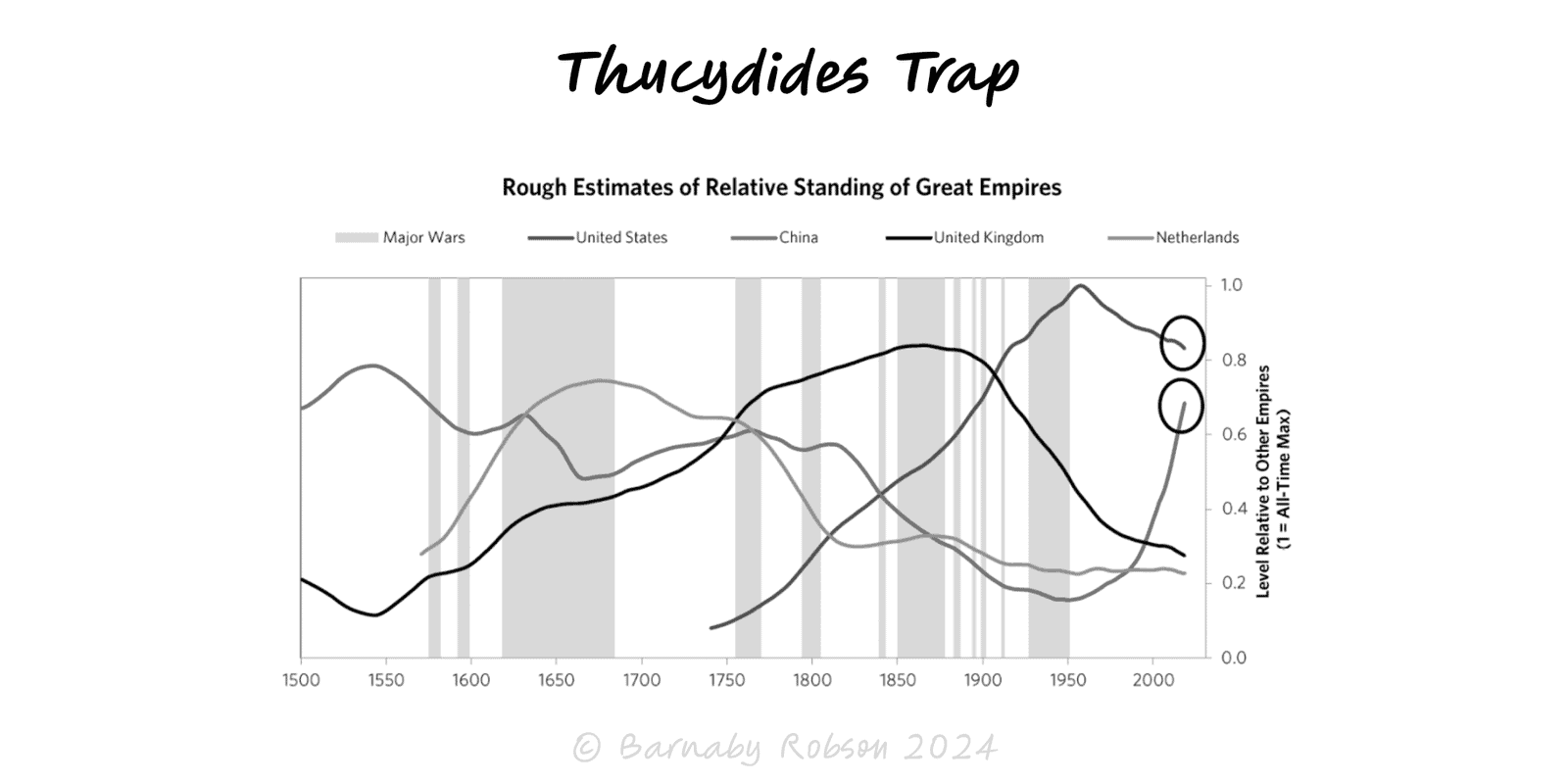
Thucydides Trap
When a rising power threatens to displace a ruling power, fear and miscalculation can tip competition into conflict unless incentives and guardrails are redesigned.
·
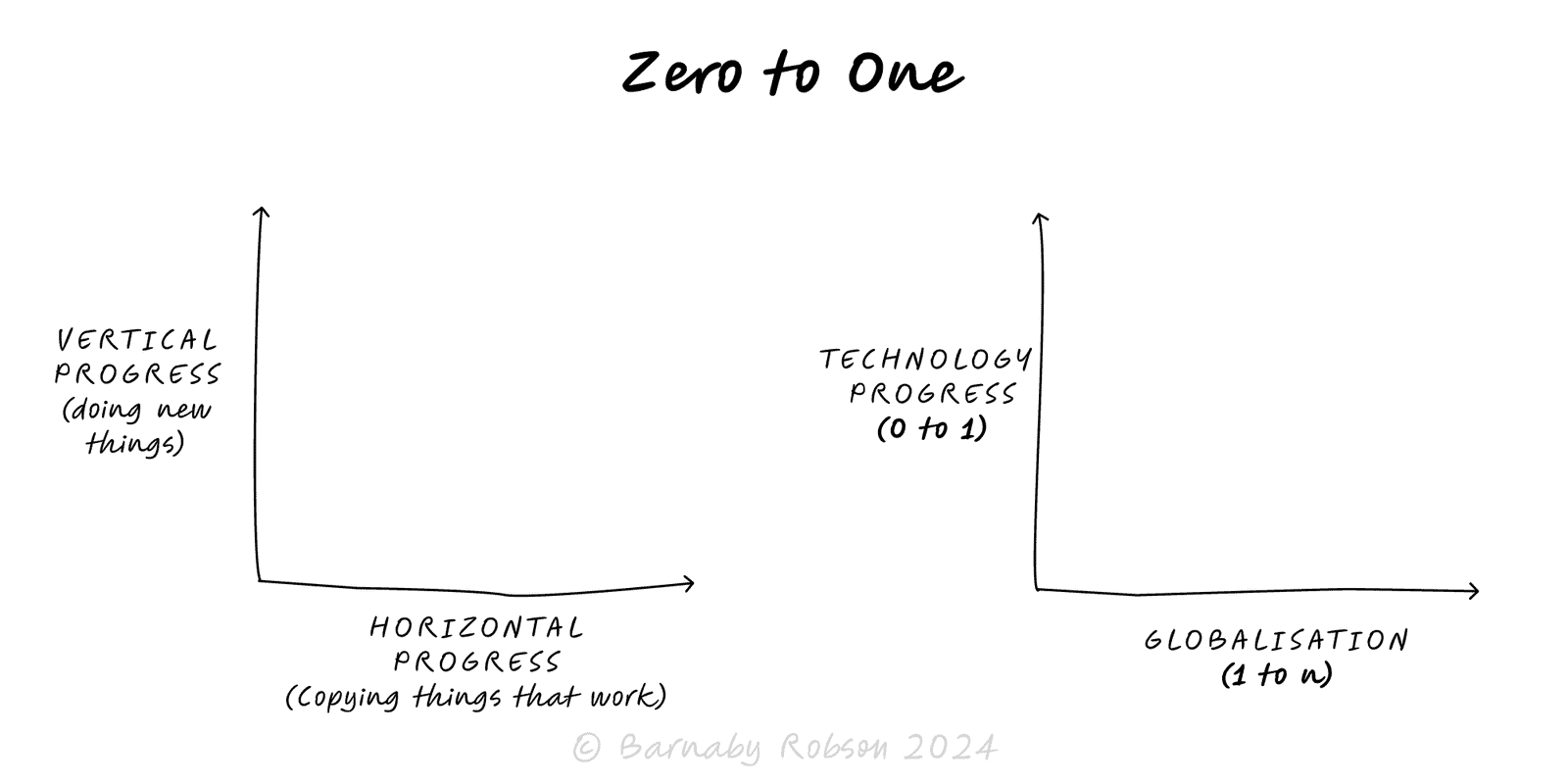
Zero to One
Aim for vertical progress—create something truly new (0 → 1), not just more of the same (1 → n). Win by building a monopoly on a focused niche and compounding from there.
·
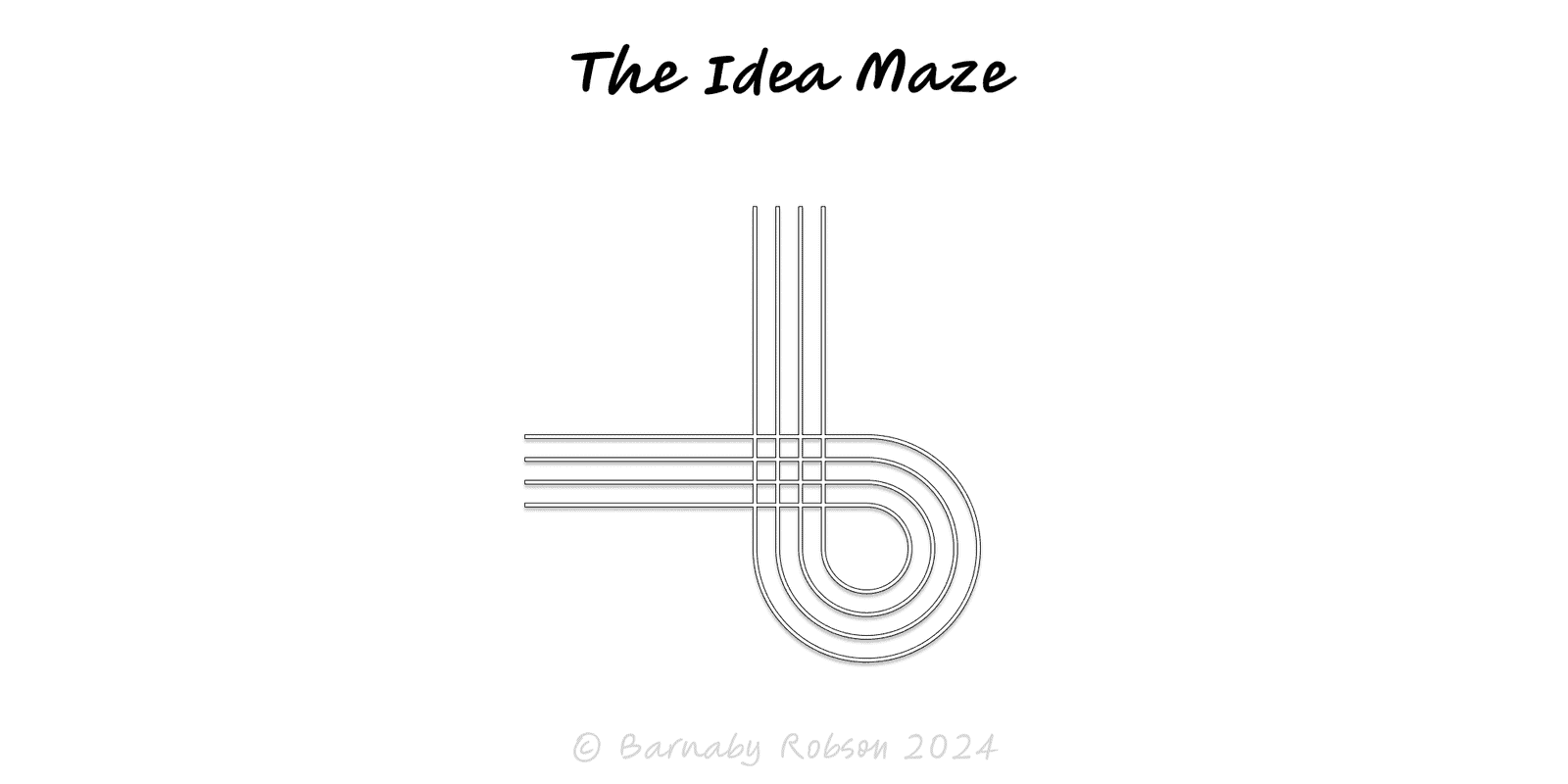
The Idea Maze
Before building, map the space: the key forks, dead ends and dependencies—so you can choose a promising path and run smarter tests.
·
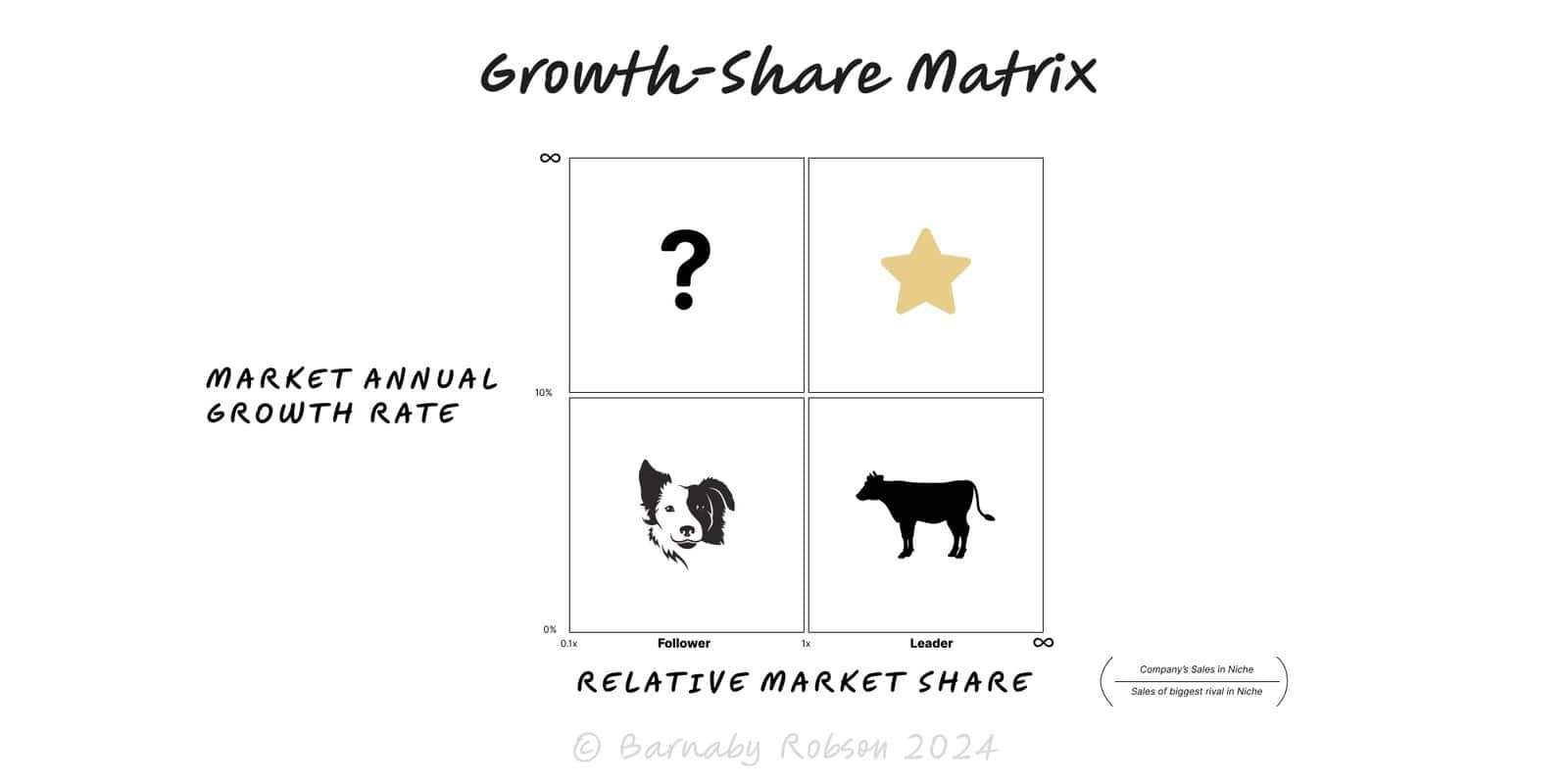
Star Principle
Richard Koch’s rule to back category leaders in high‑growth niches; leadership + growth compounding.
·
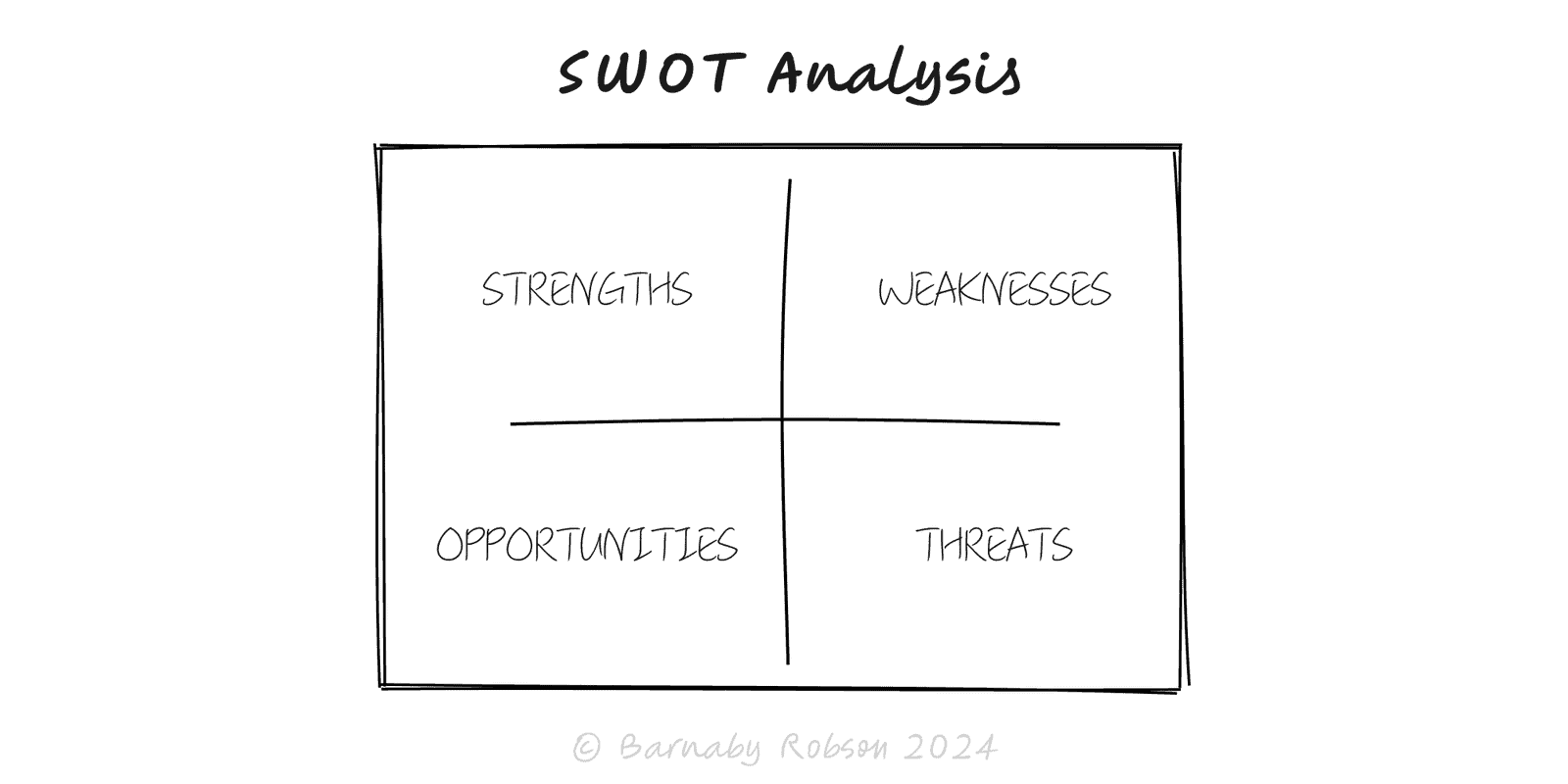
SWOT Analysis
Map internal factors (Strengths, Weaknesses) and external factors (Opportunities, Threats), then convert the grid into a short list of strategic moves.
·
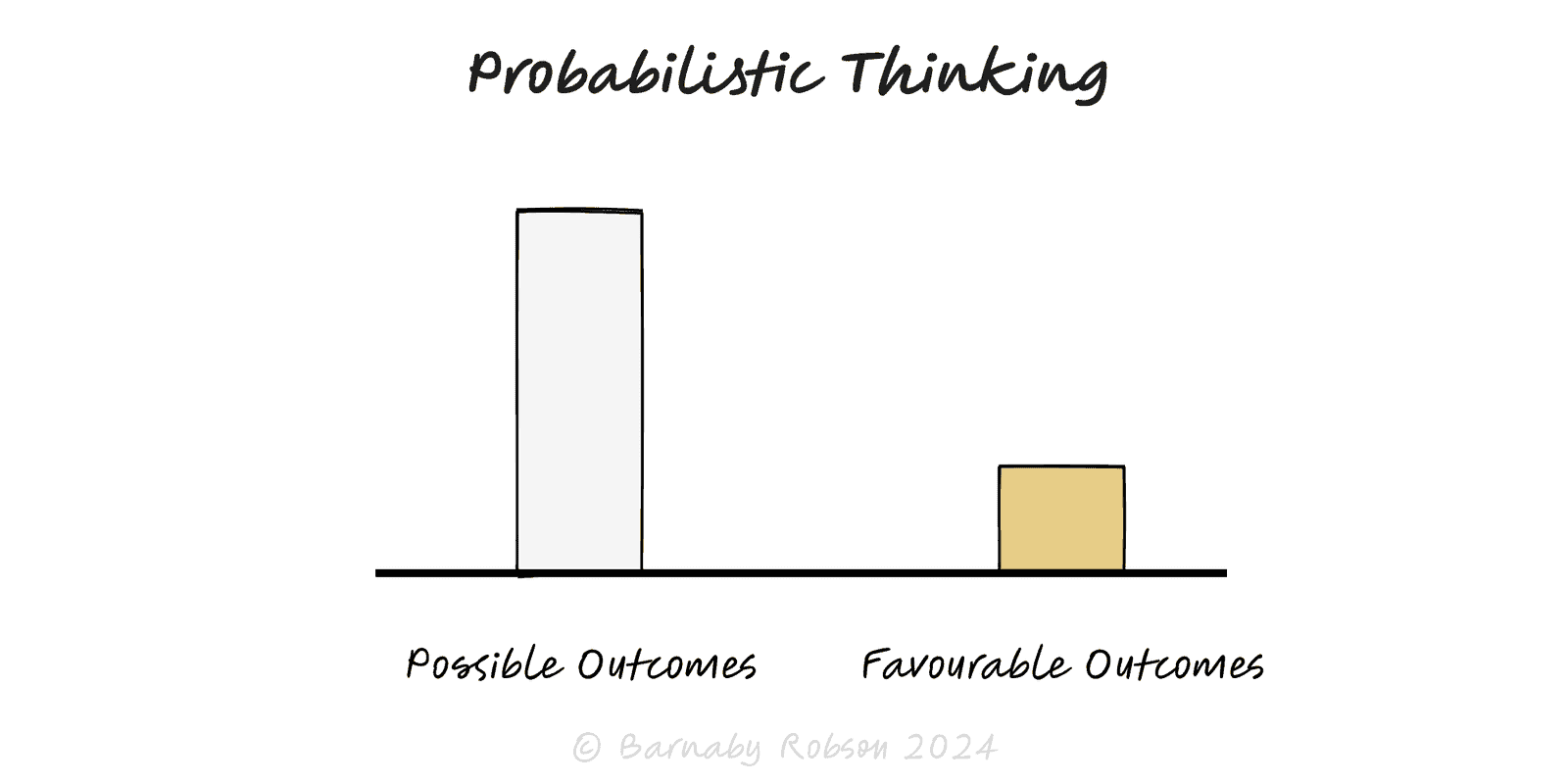
Probabilistic Thinking
Reason in degrees of belief, not certainties: use base rates, ranges, and expected value—then update as evidence arrives.
·
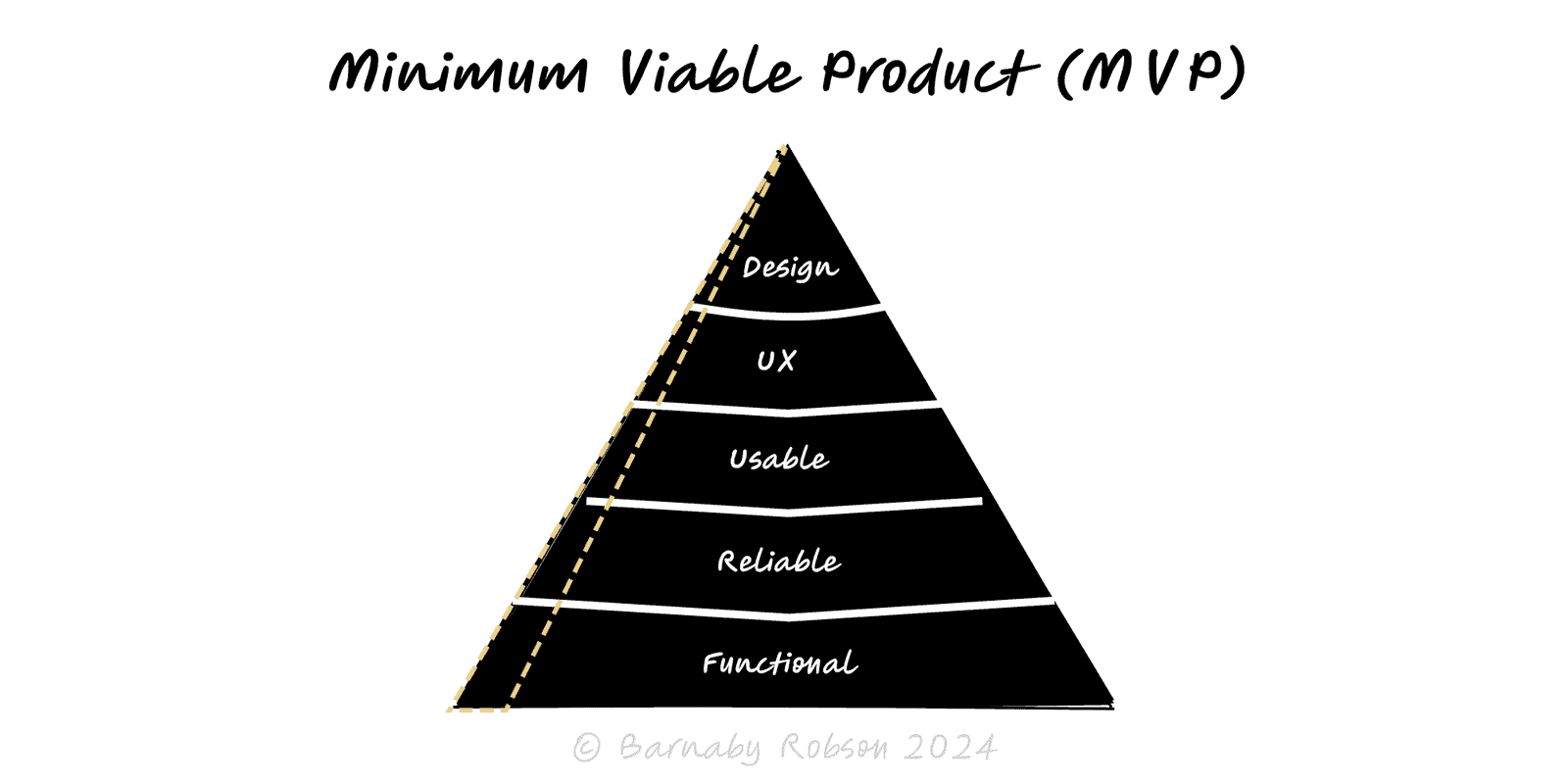
Minimum Viable Product
Build the smallest thing that tests the riskiest assumption with real users, measure what matters, and decide to pivot, persist, or kill.
·
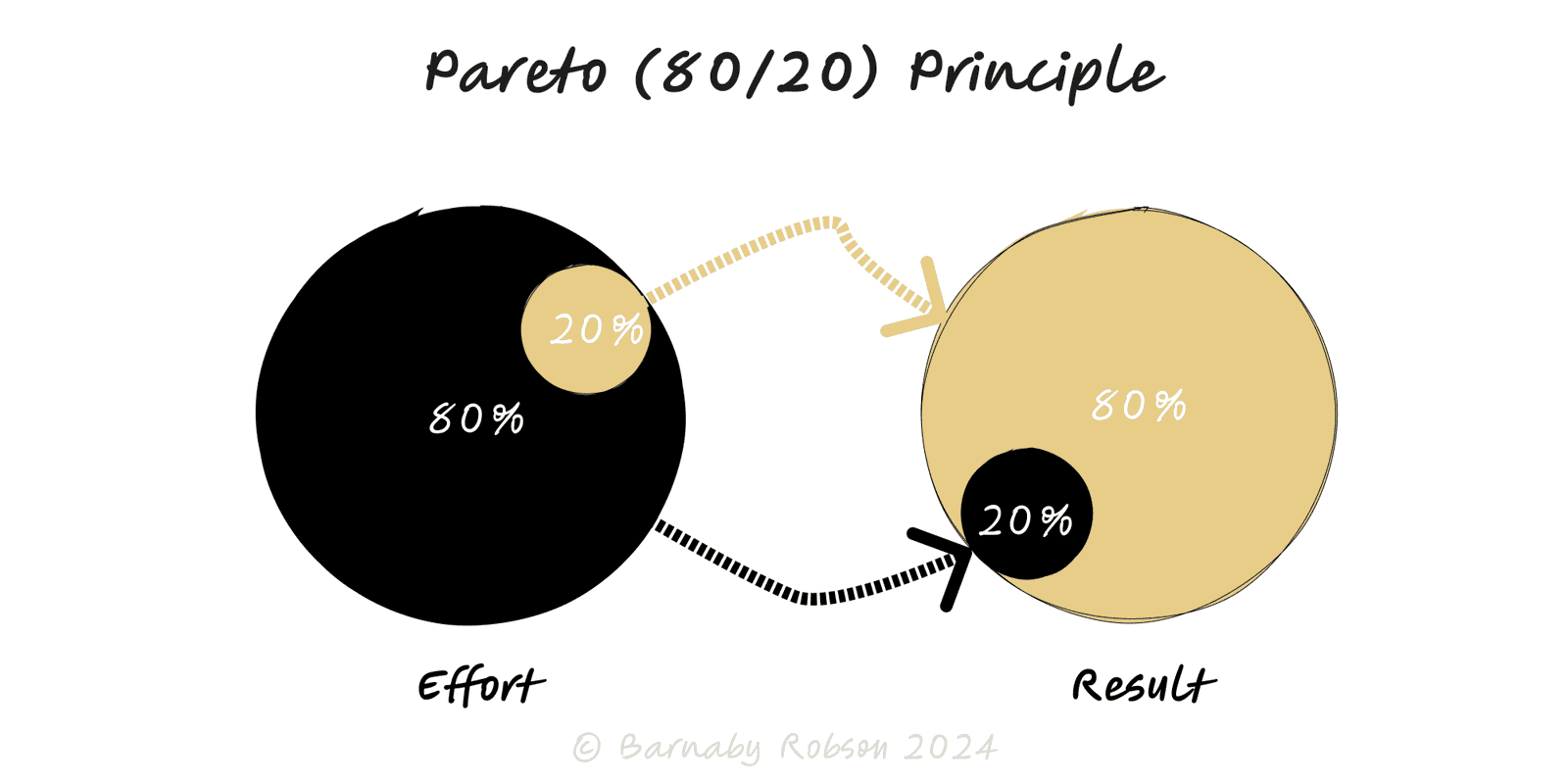
Pareto Principle (80/20)
A minority of inputs often drives a majority of outcomes. Find the vital few, focus there first.
·
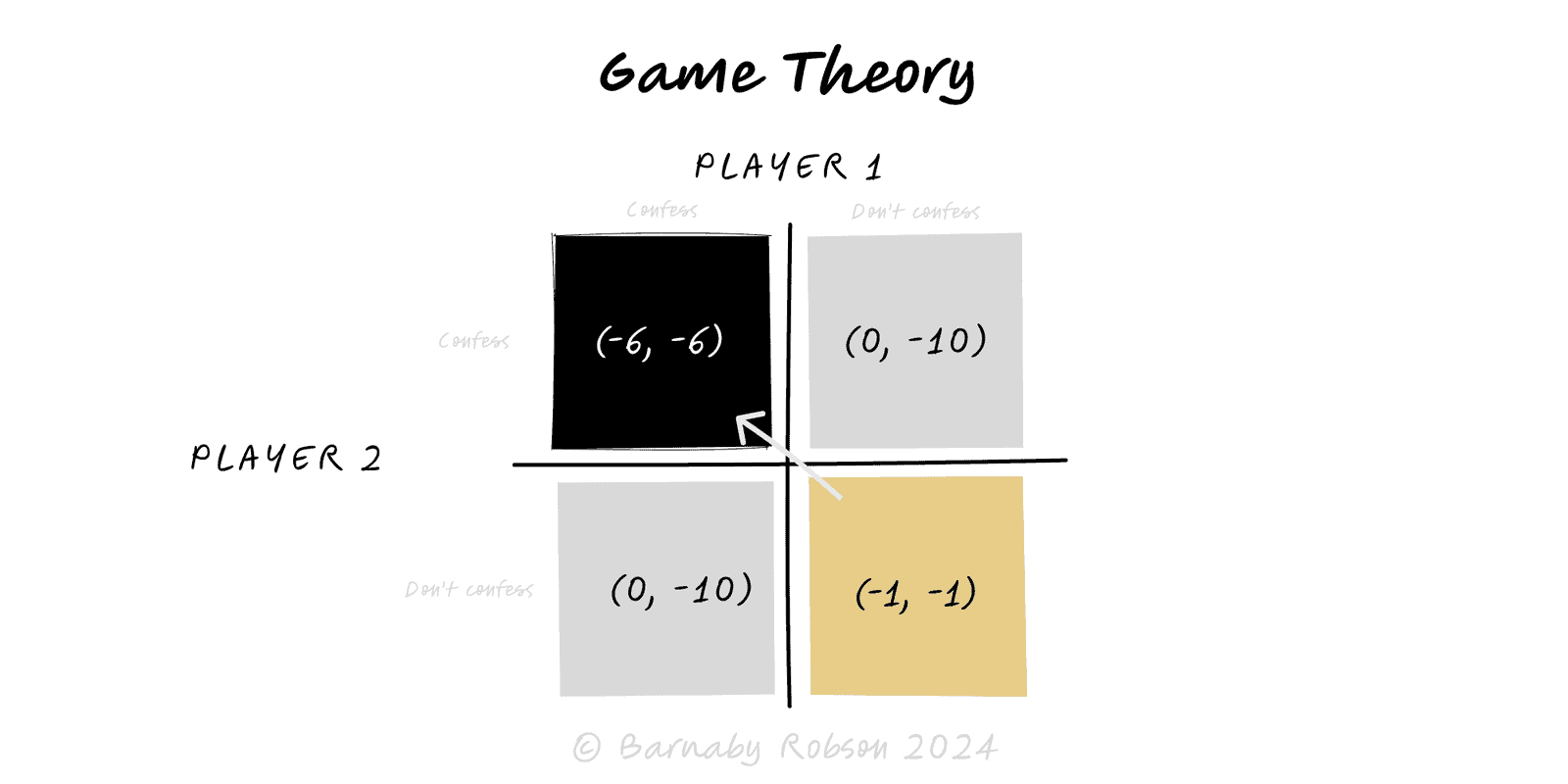
Game Theory
Model strategic situations where outcomes depend on your choice and others’ choices—then design moves or rules to shift the equilibrium.
·
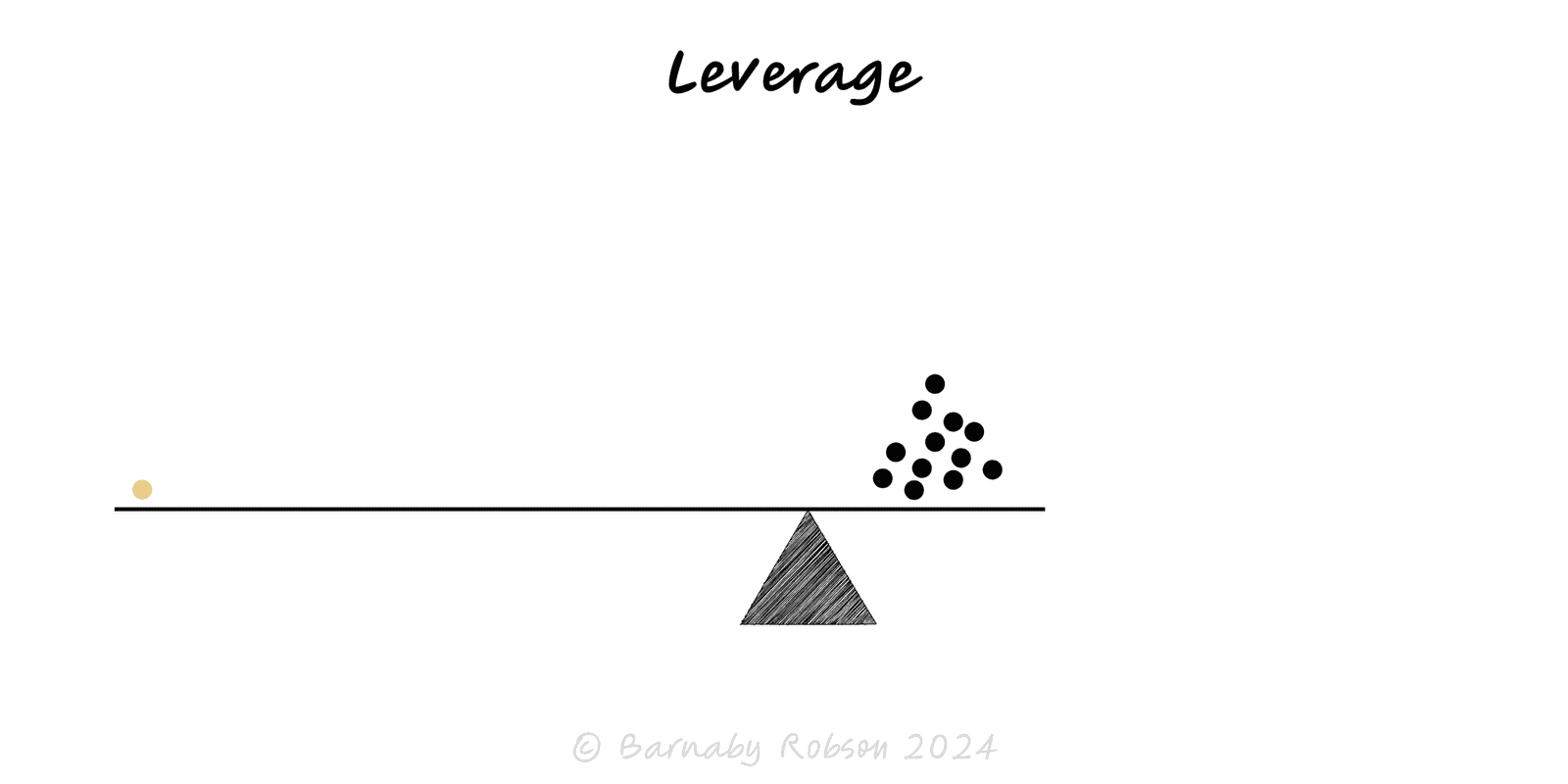
Leverage
Use small inputs to create large outputs by applying amplifiers — capital, code, media, process, partnerships. Leverage magnifies both gains and losses.
·
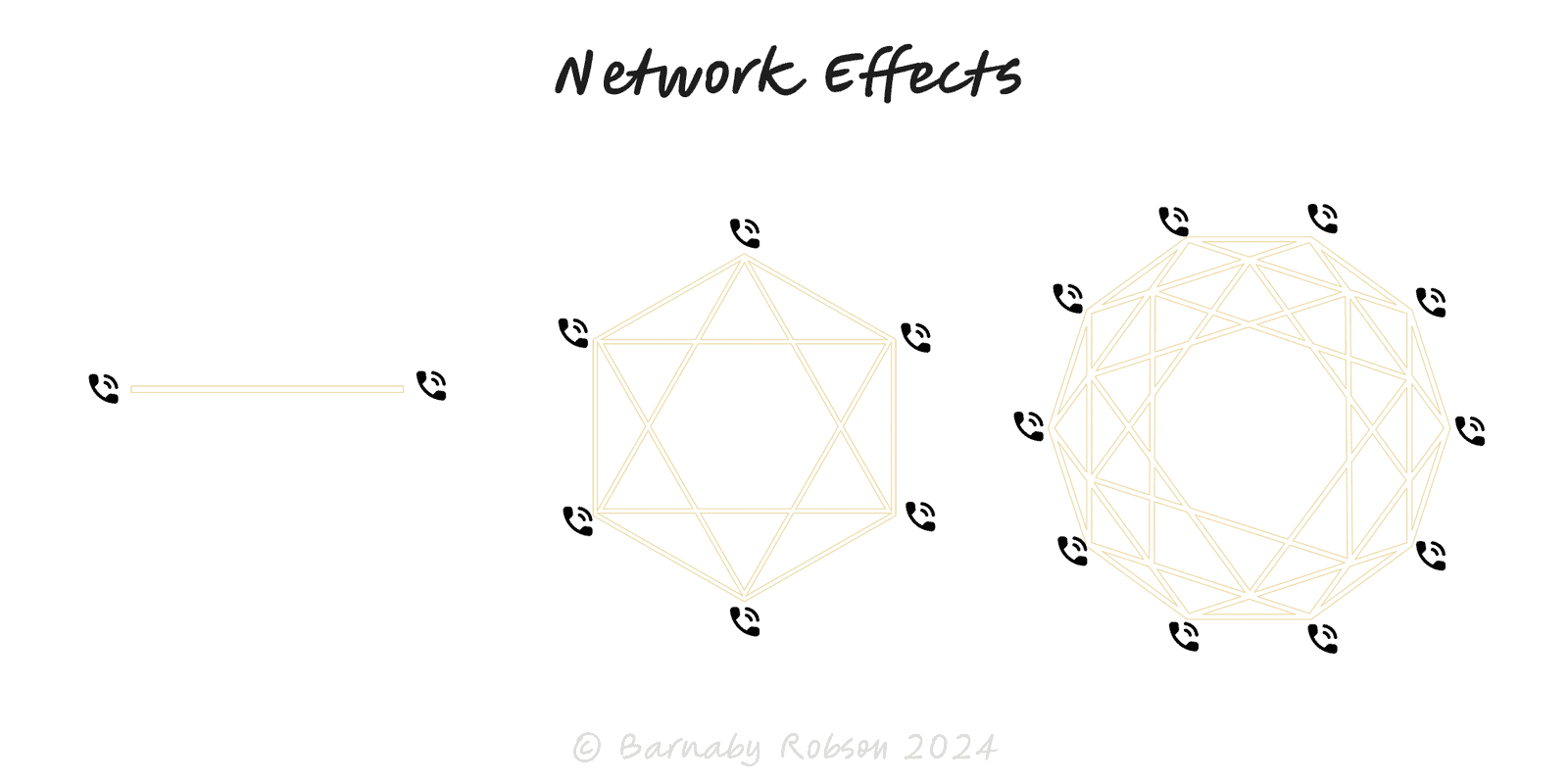
Network Effects
A product becomes more valuable as more participants join and interact. Design for liquidity and quality, not just user count.
·
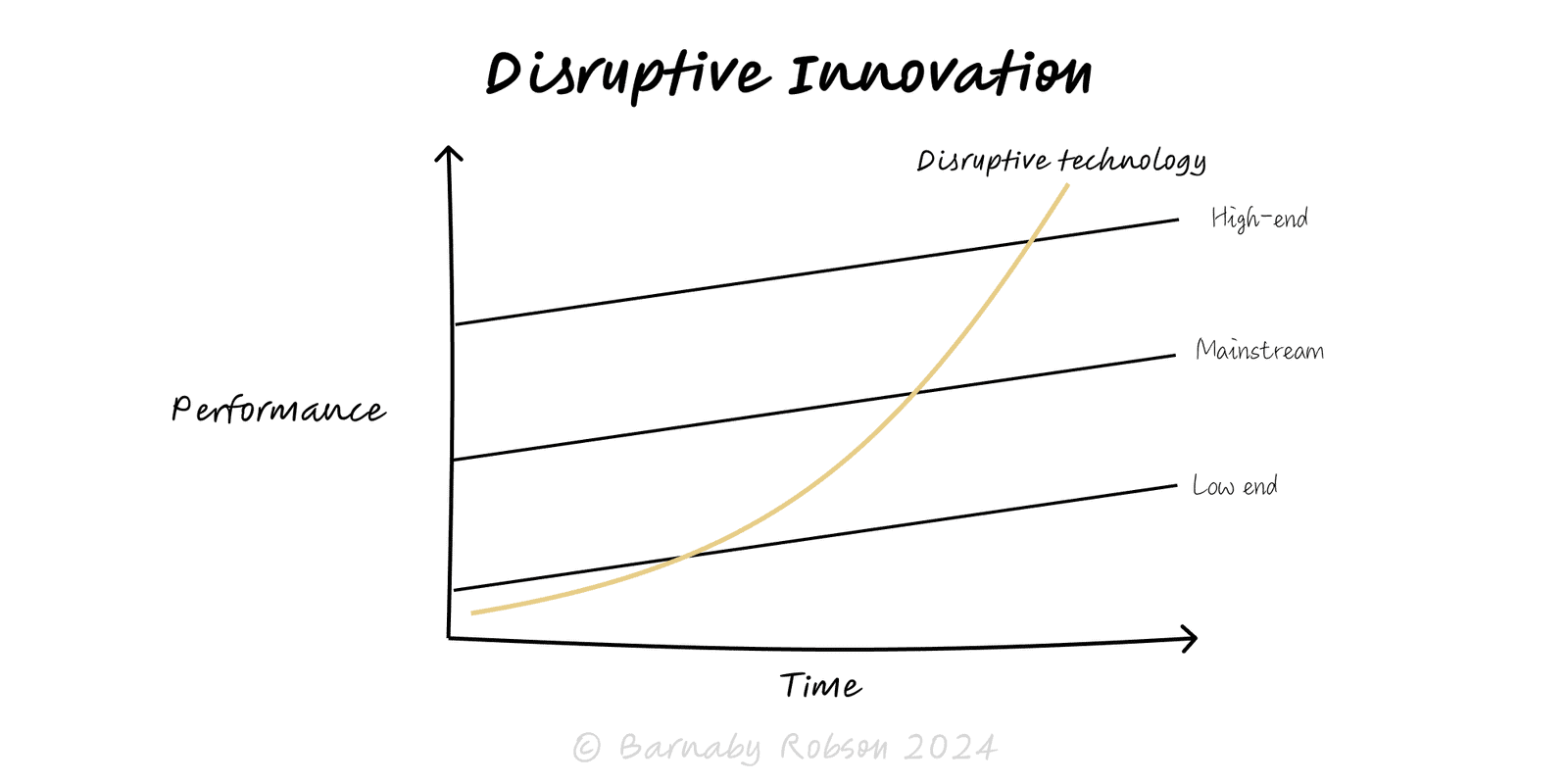
Disruptive Innovation
Entrants start with cheaper, simpler offers for over-served or non-consumers, then move upmarket while incumbents ignore them.
·