Model: Leadership & Motivation
How people initiate, sustain and direct effort. Culture, incentives and habits. (High/Low Agency, Maslow, Habit Loop, Ikigai, Principal–Agent).
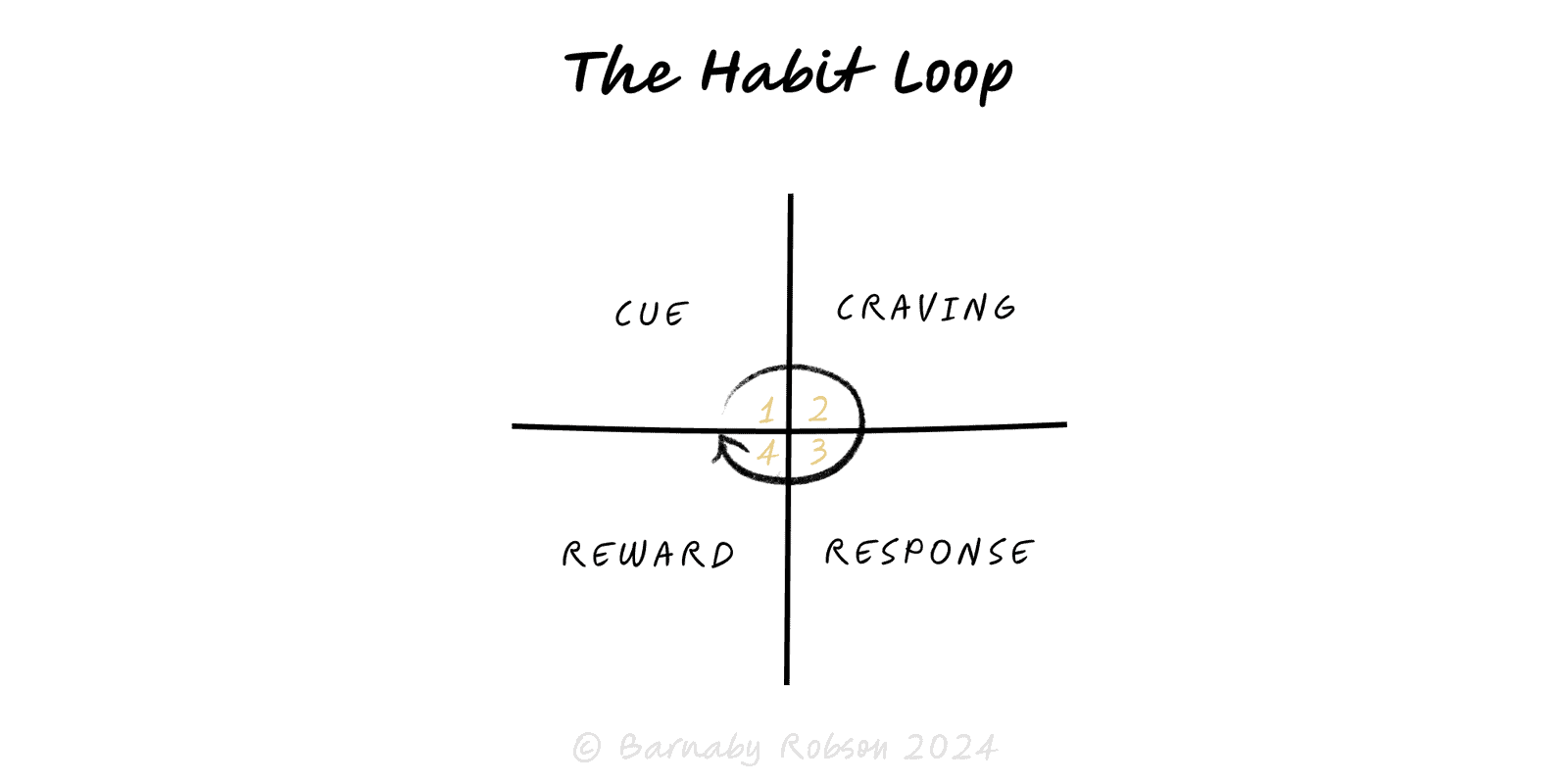
The Habit Loop
Habits run on a loop: cue → craving → response → reward. Make good loops easy and satisfying; break bad ones by keeping the cue and reward but changing the routine.
·
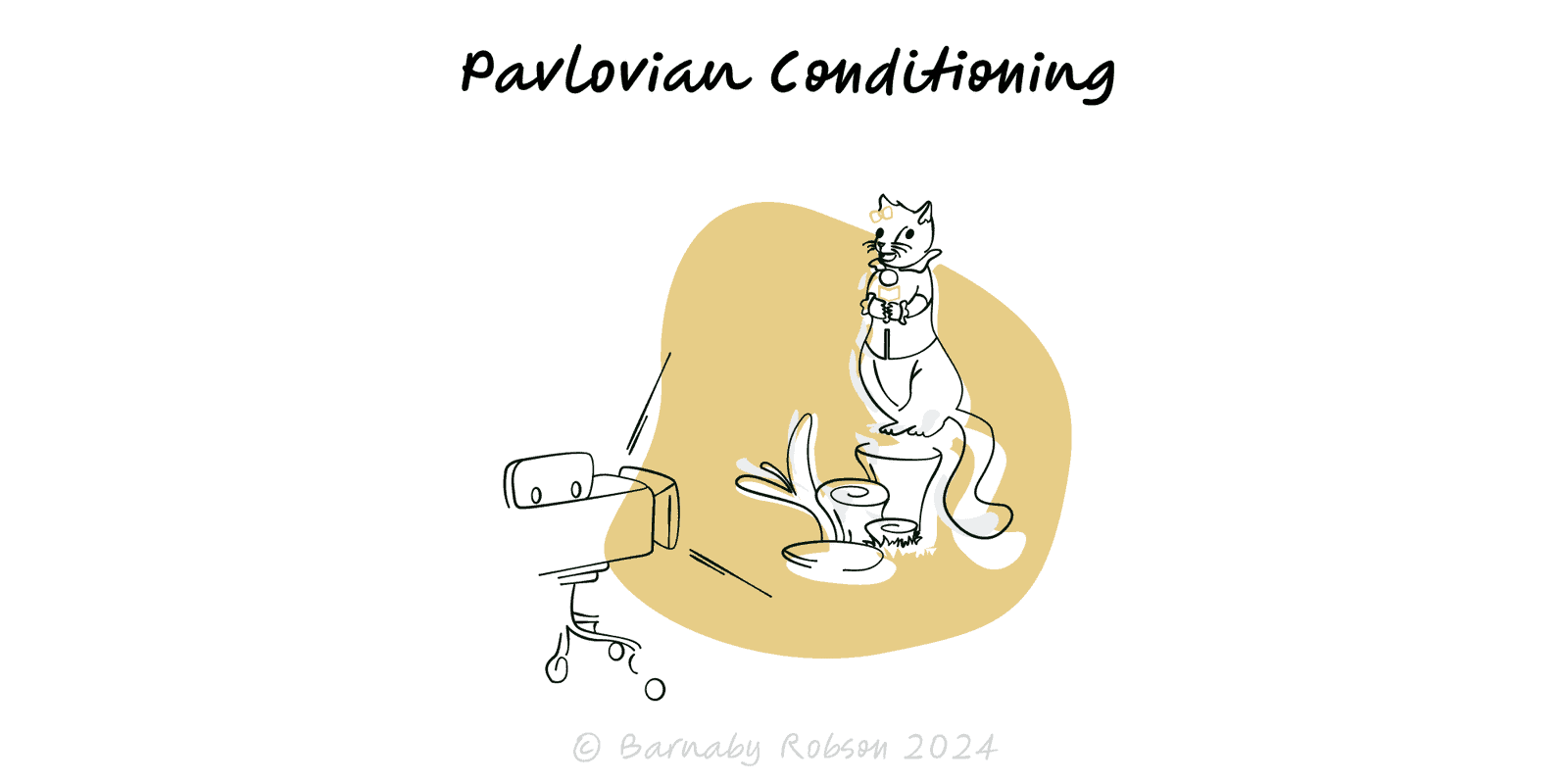
Pavlovian Conditioning
A neutral cue paired with a meaningful event can come to trigger the response on its own.
·
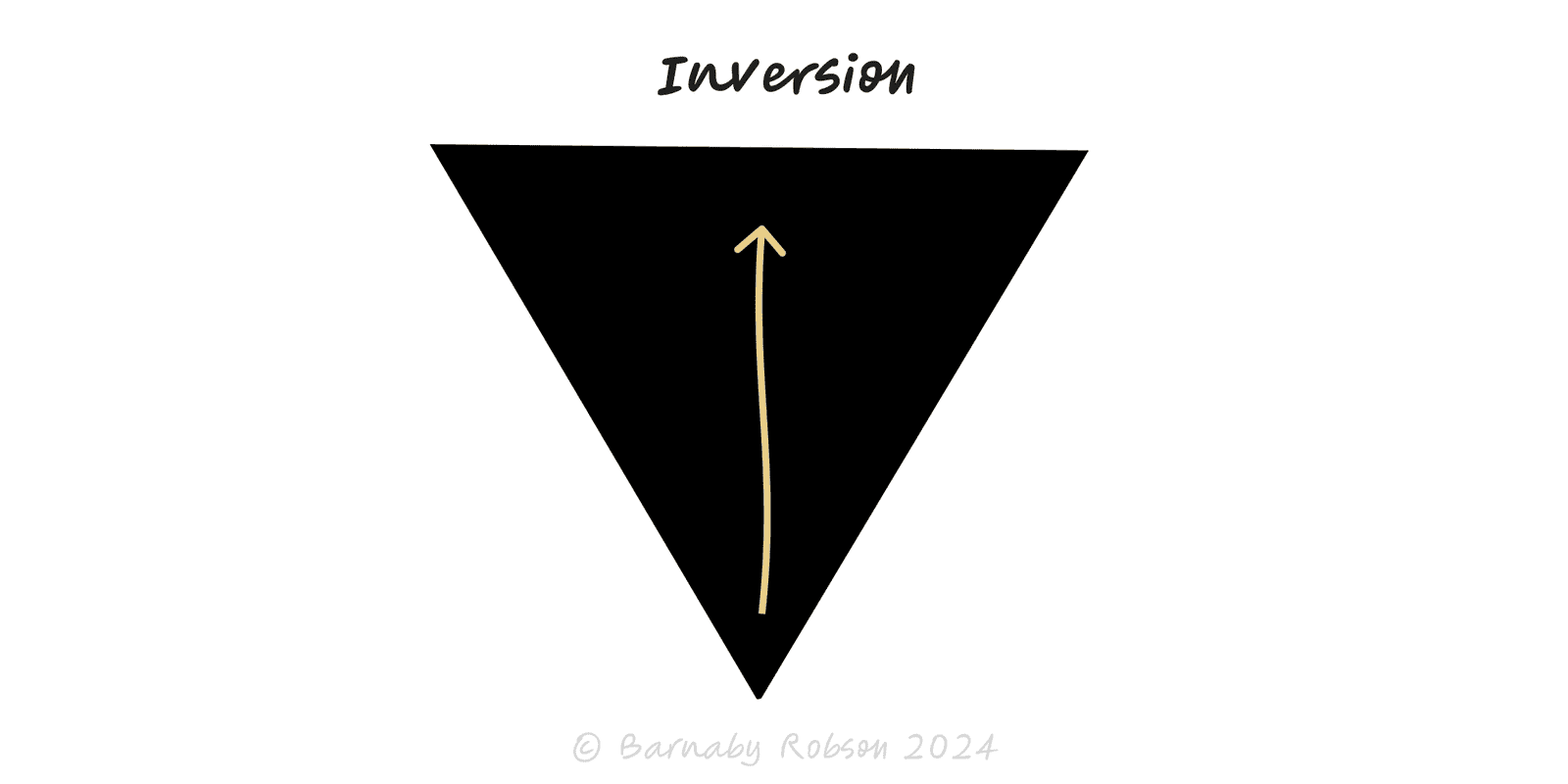
Inversion
Think backwards: define failure and remove its causes; ask the inverse question to see blind spots.
·
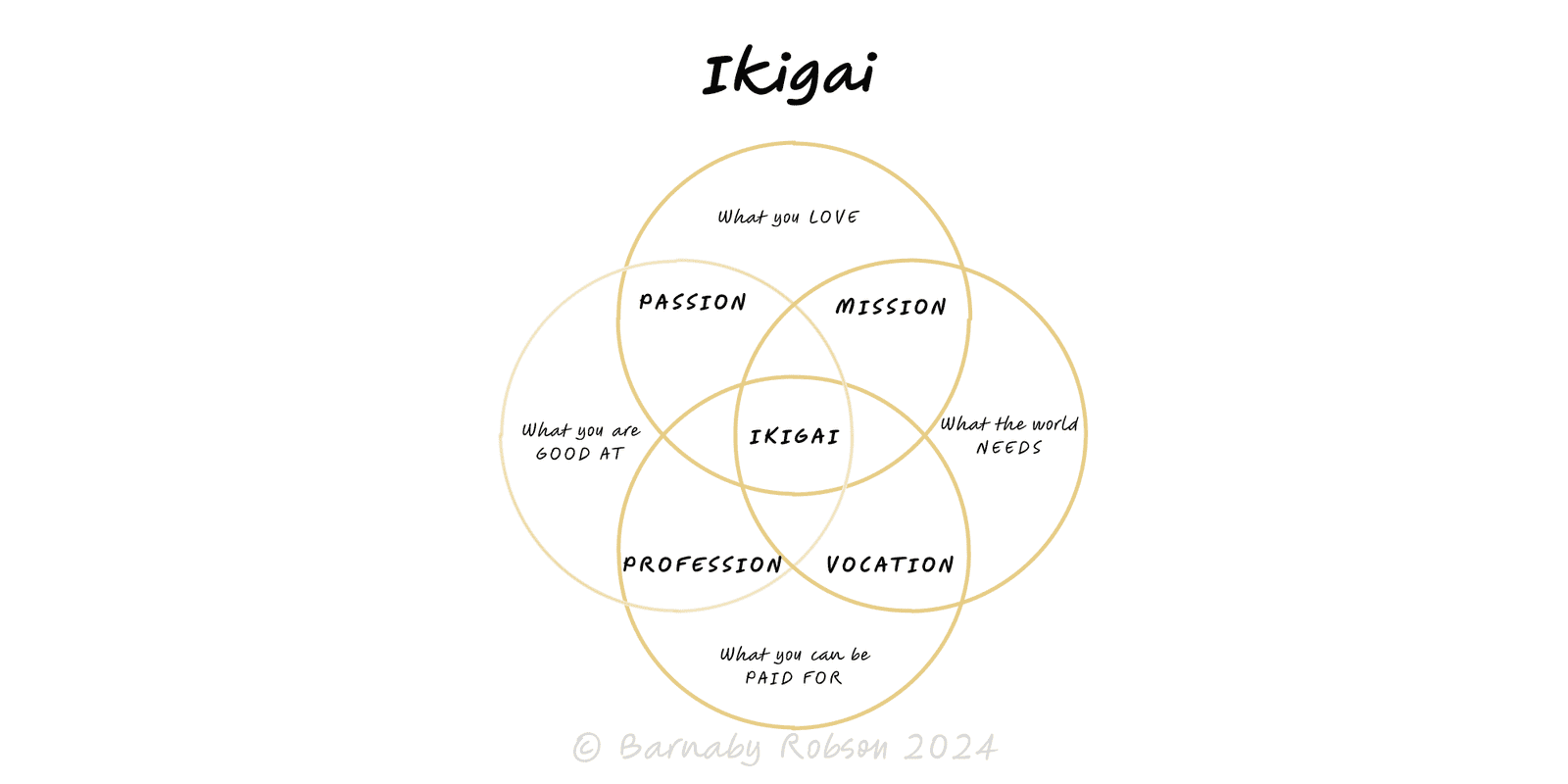
Ikigai
A practical way to align what you love, what you’re good at, what the world needs, and what pays—while honouring small, everyday sources of meaning.
·
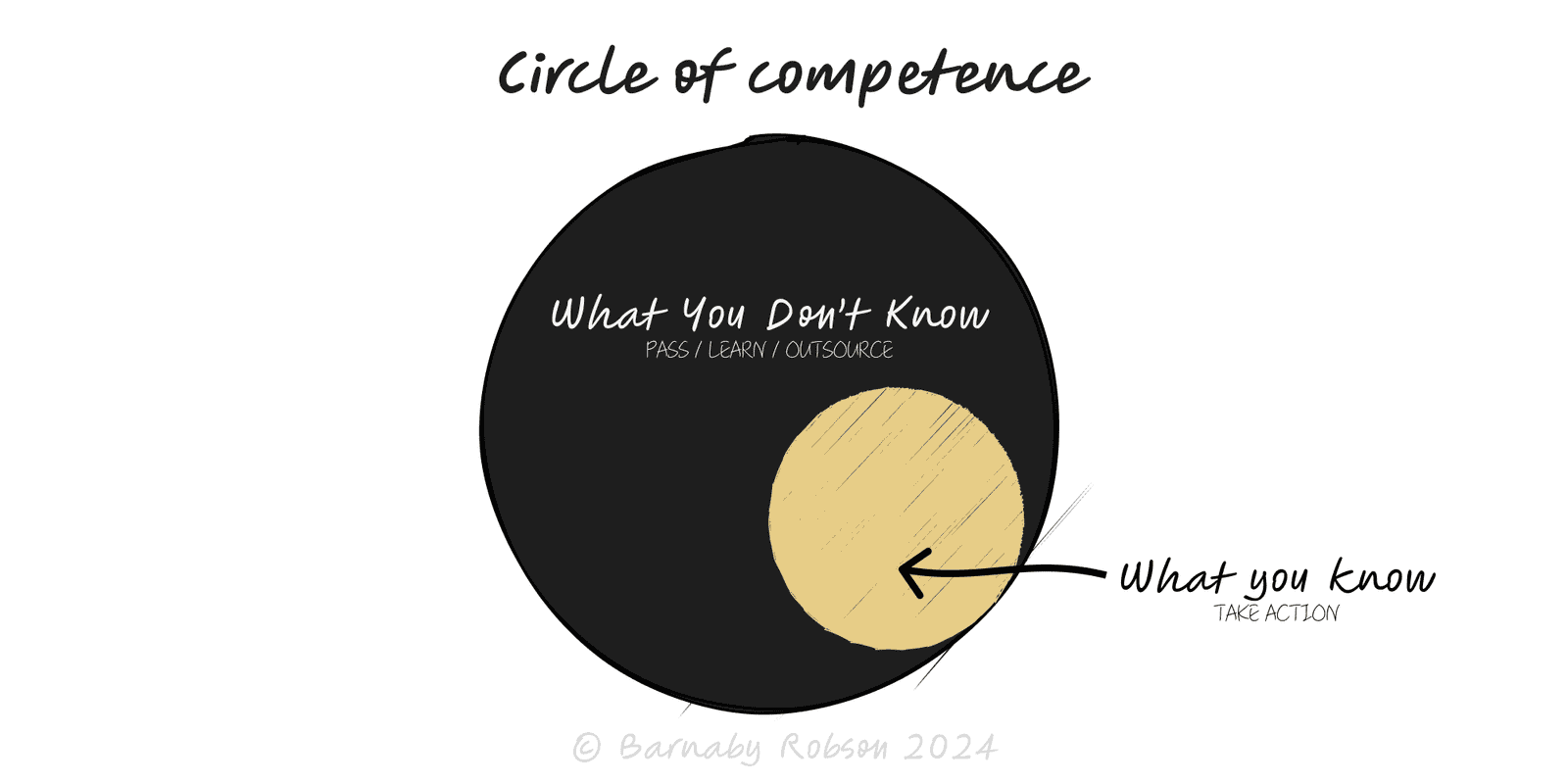
Circle of Competence
Operate where you truly understand cause and effect; stay inside the circle, expand it deliberately, and partner outside it.
·
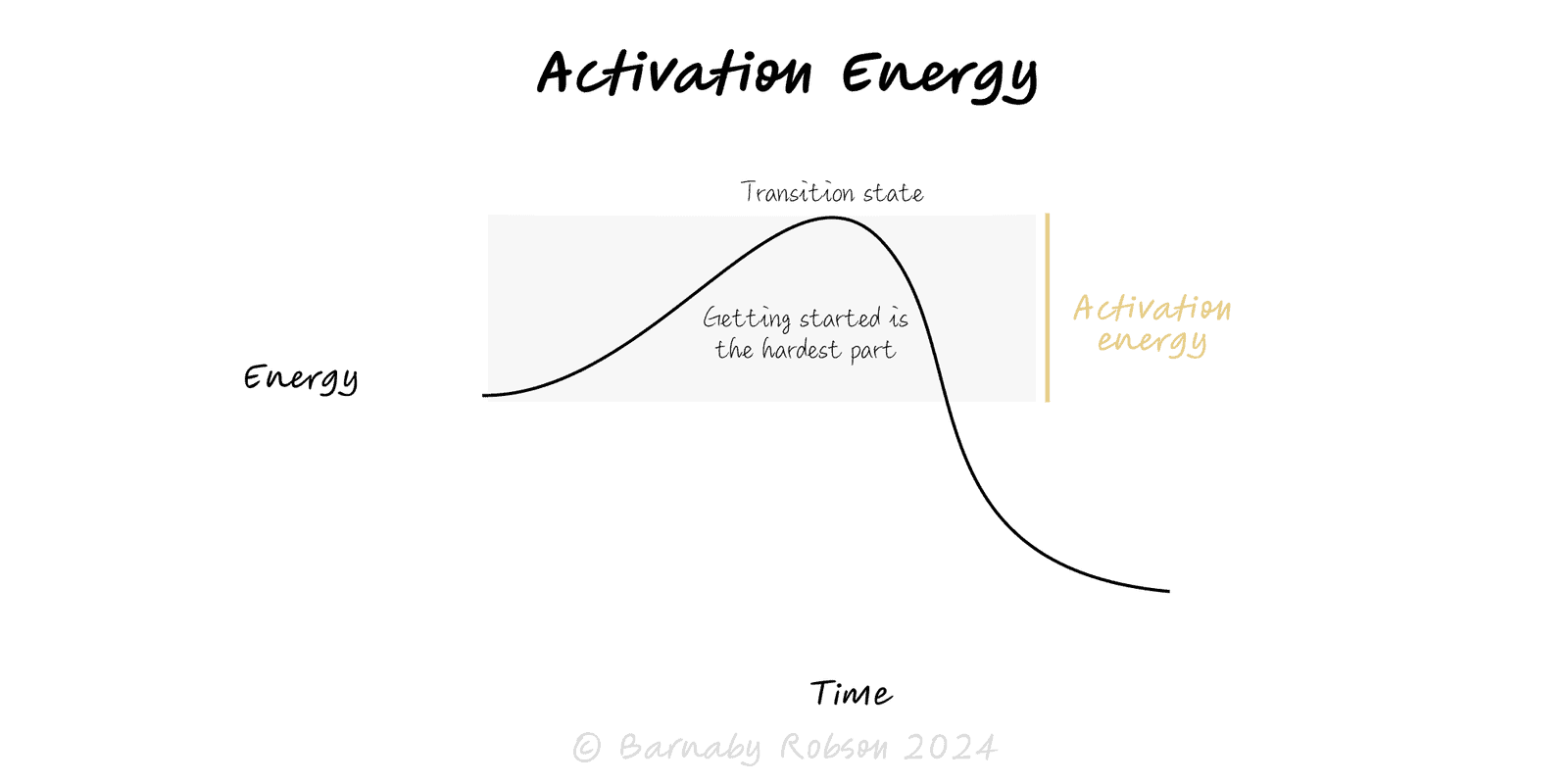
Activation Energy
Borrowed from chemistry and habit design: reduce the upfront effort to make the desired action easier than the default.
·
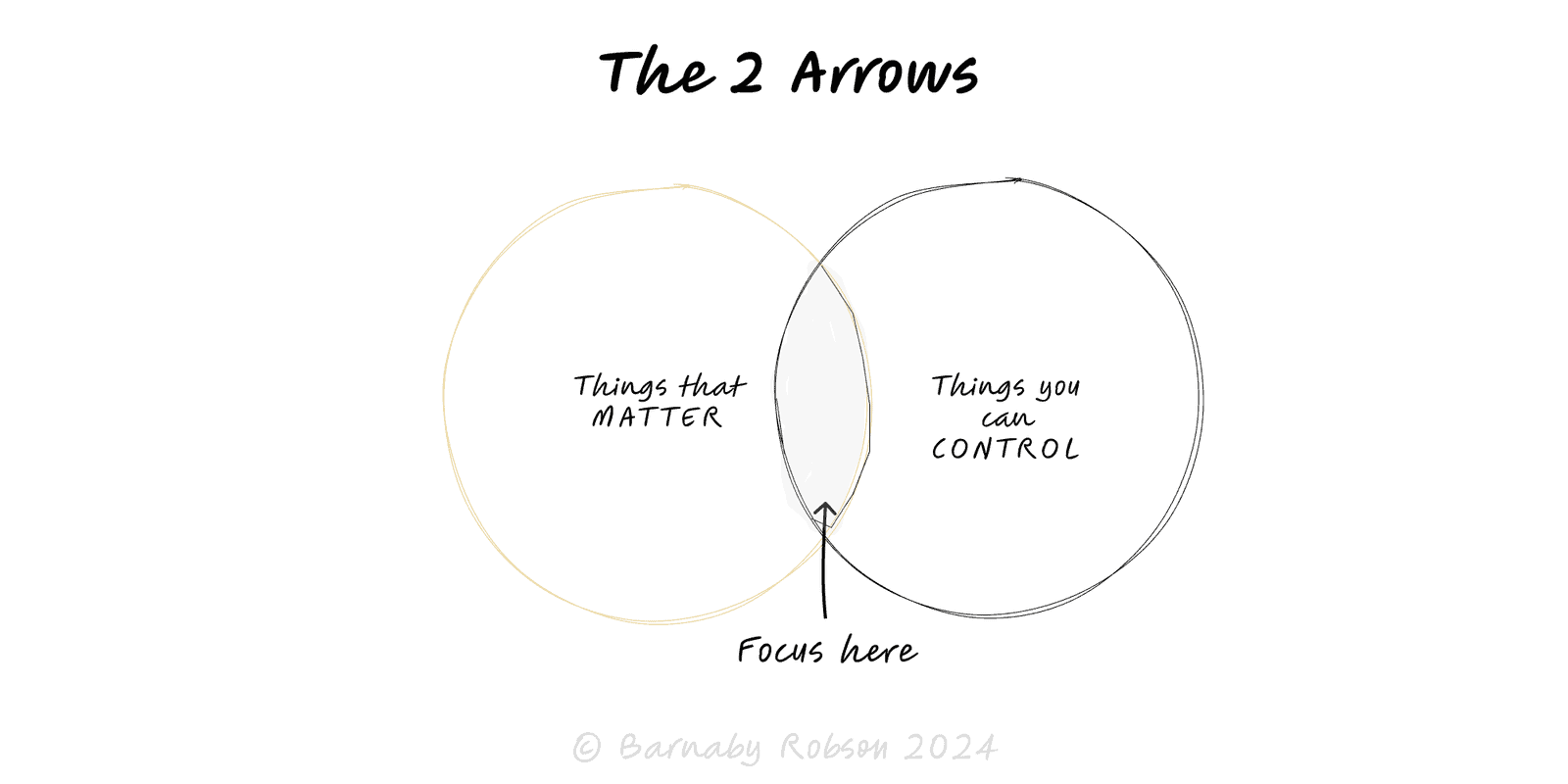
The two Arrows
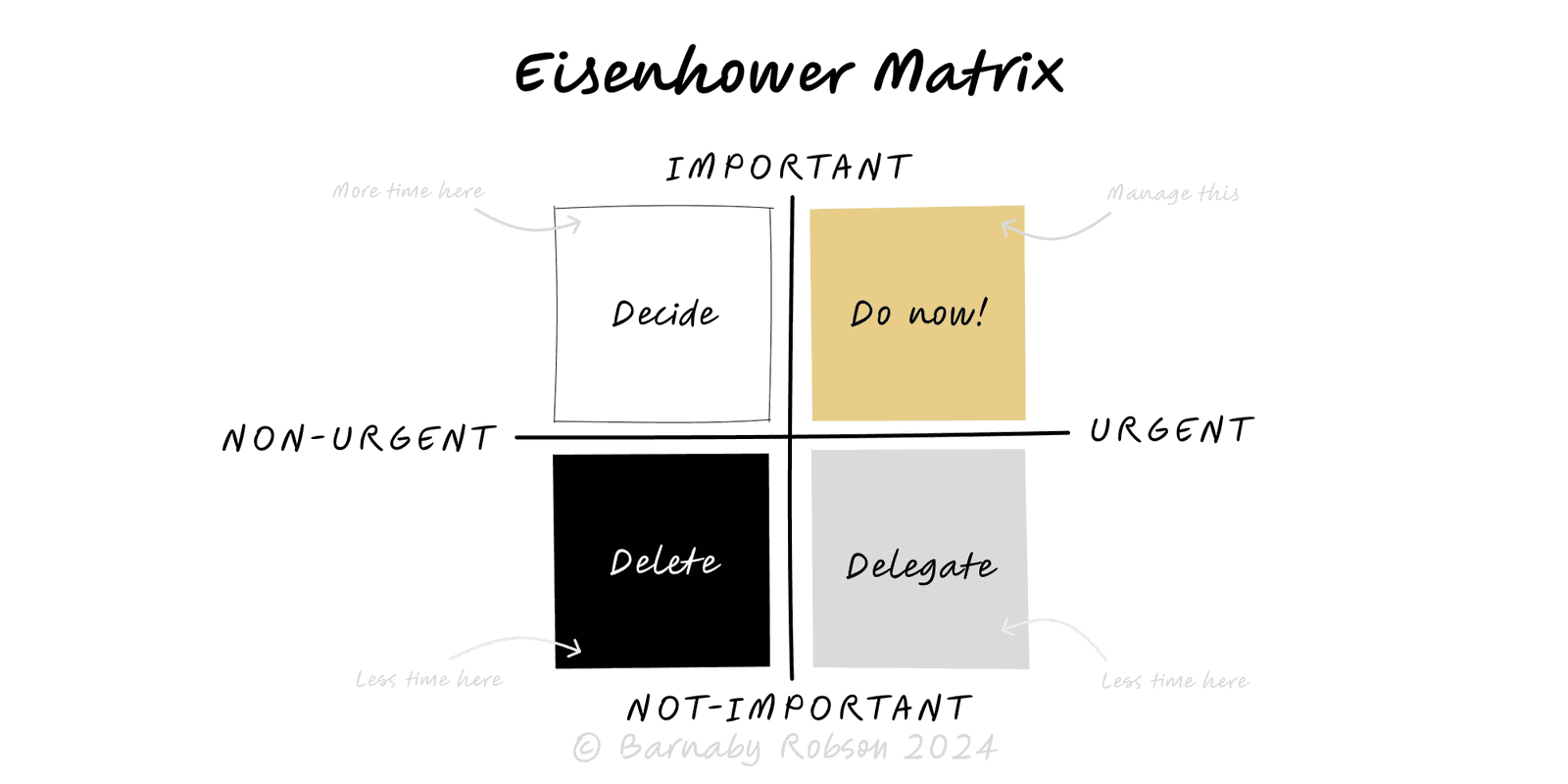
Focus where importance intersects with control. Act directly on what matters and you can change; influence or ignore the rest.
·
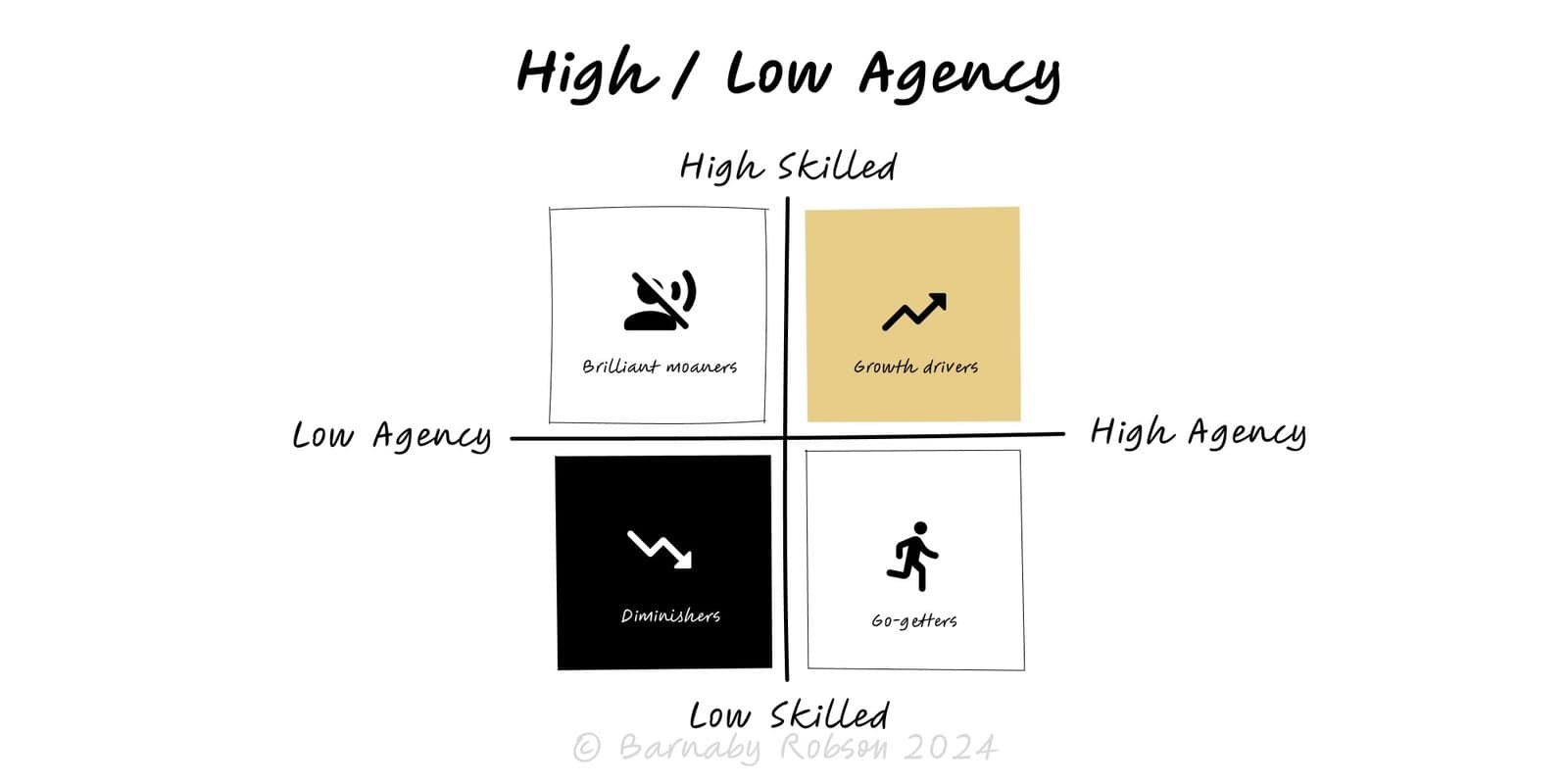
Agency (high / Low)
A practical lens for how people approach problems: low-agency waits for circumstances; high-agency creates options and moves first.
·