Model: Analysis & Framing
Explores structured approaches to problem-solving, simplifying reality, hypothesis testing, and empirical analysis.
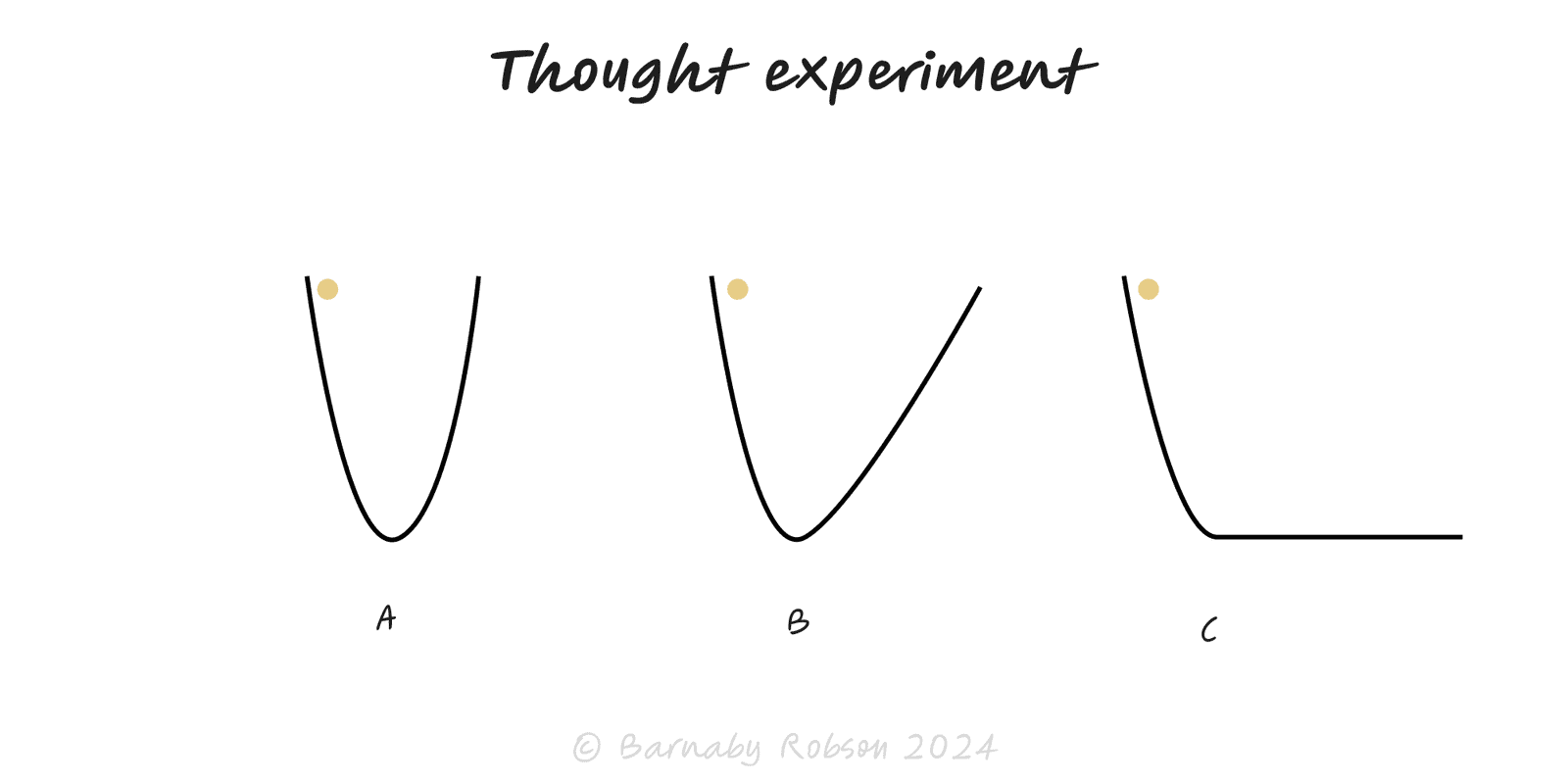
Thought Experiment
Use a carefully imagined scenario to test an idea’s logic, expose assumptions, and predict consequences—before you spend time or money.
·

The Map is not the Territory
All models are simplifications. Don’t confuse the representation (map, metric, plan, narrative) with the thing itself—and update the map when facts change.
·

The Idea Maze
Before building, map the space: the key forks, dead ends and dependencies—so you can choose a promising path and run smarter tests.
·
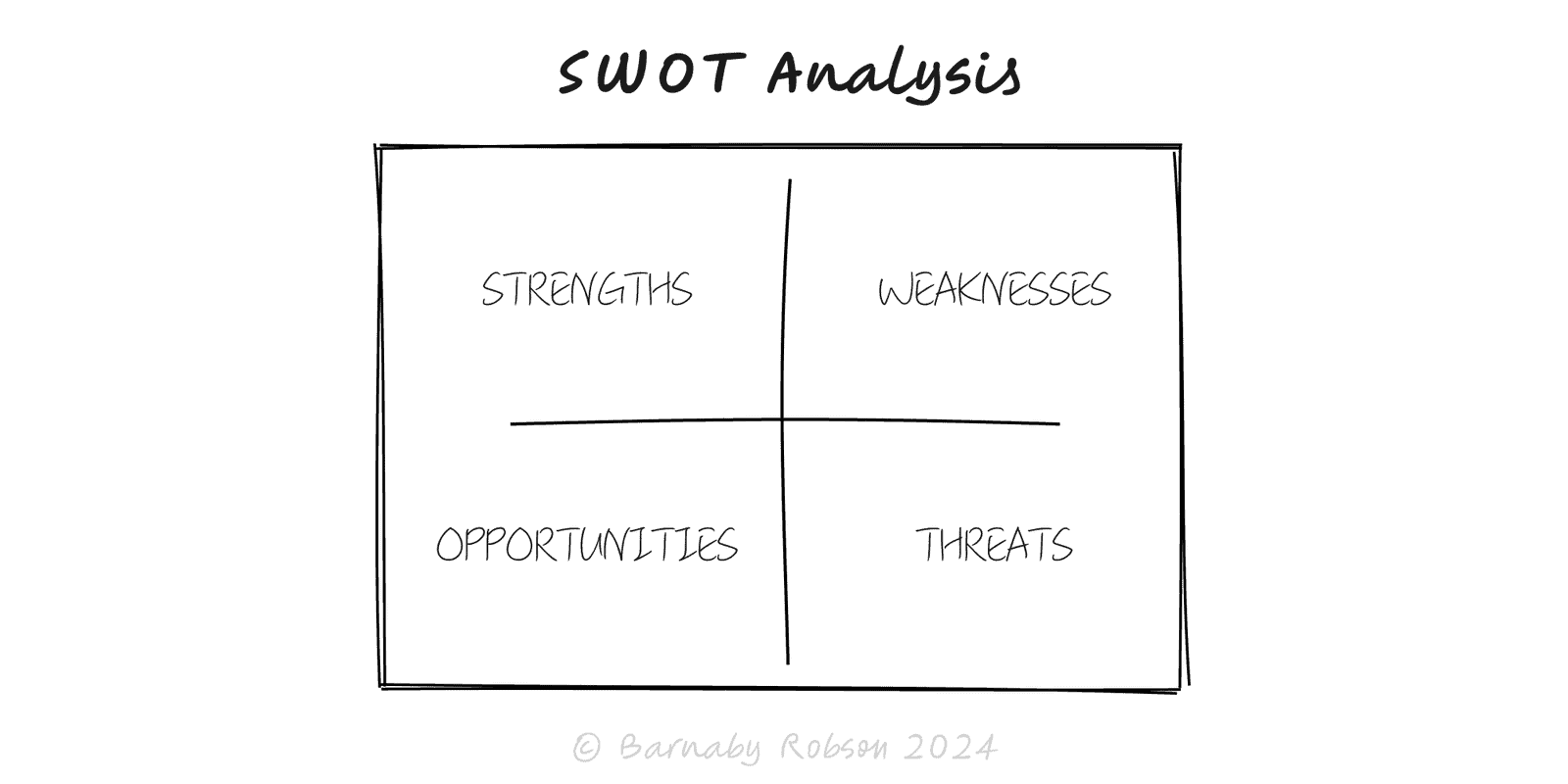
SWOT Analysis
Map internal factors (Strengths, Weaknesses) and external factors (Opportunities, Threats), then convert the grid into a short list of strategic moves.
·
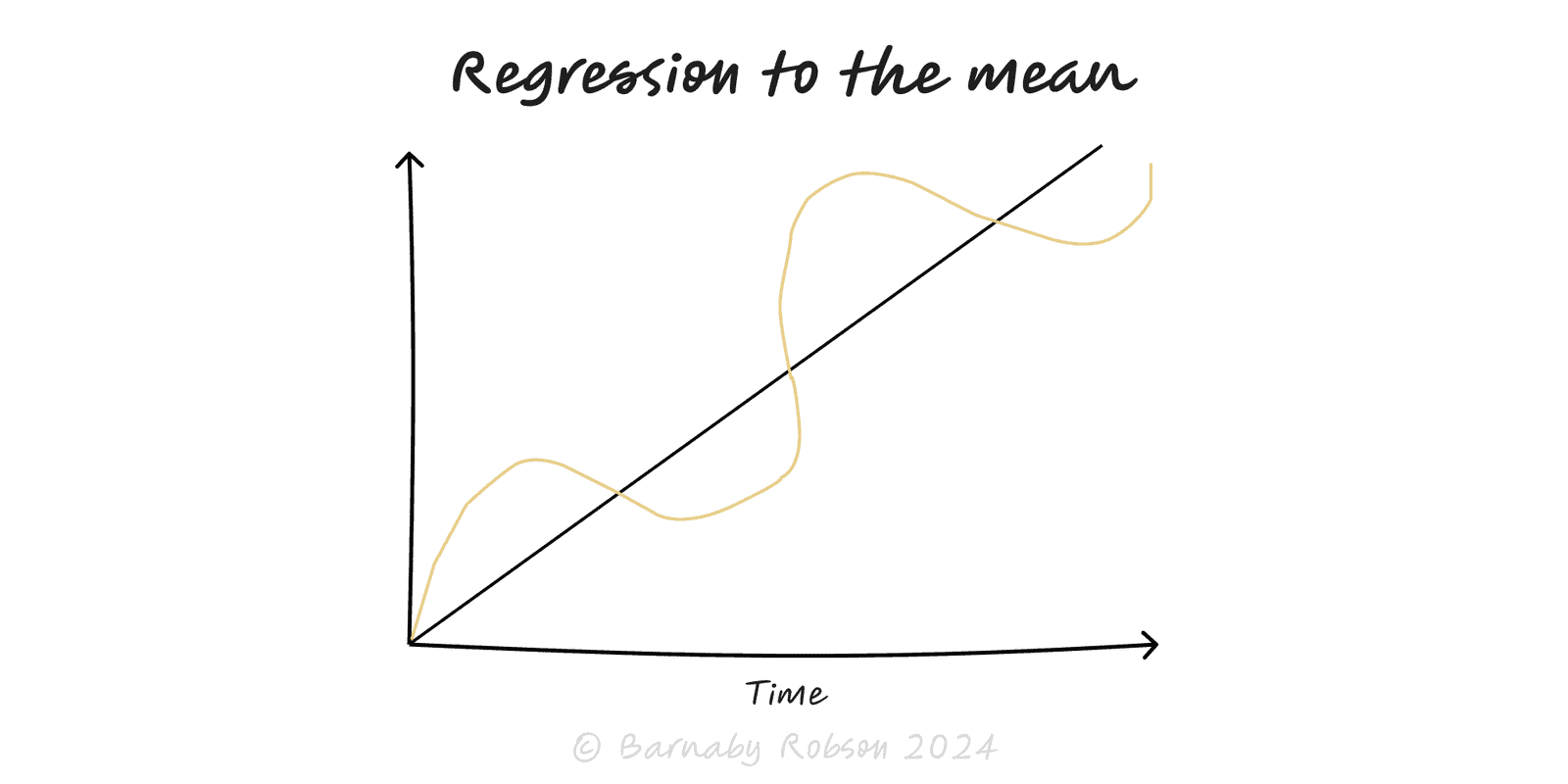
Regression to the Mean
Extreme results are usually followed by more typical ones—even without any real change.
·
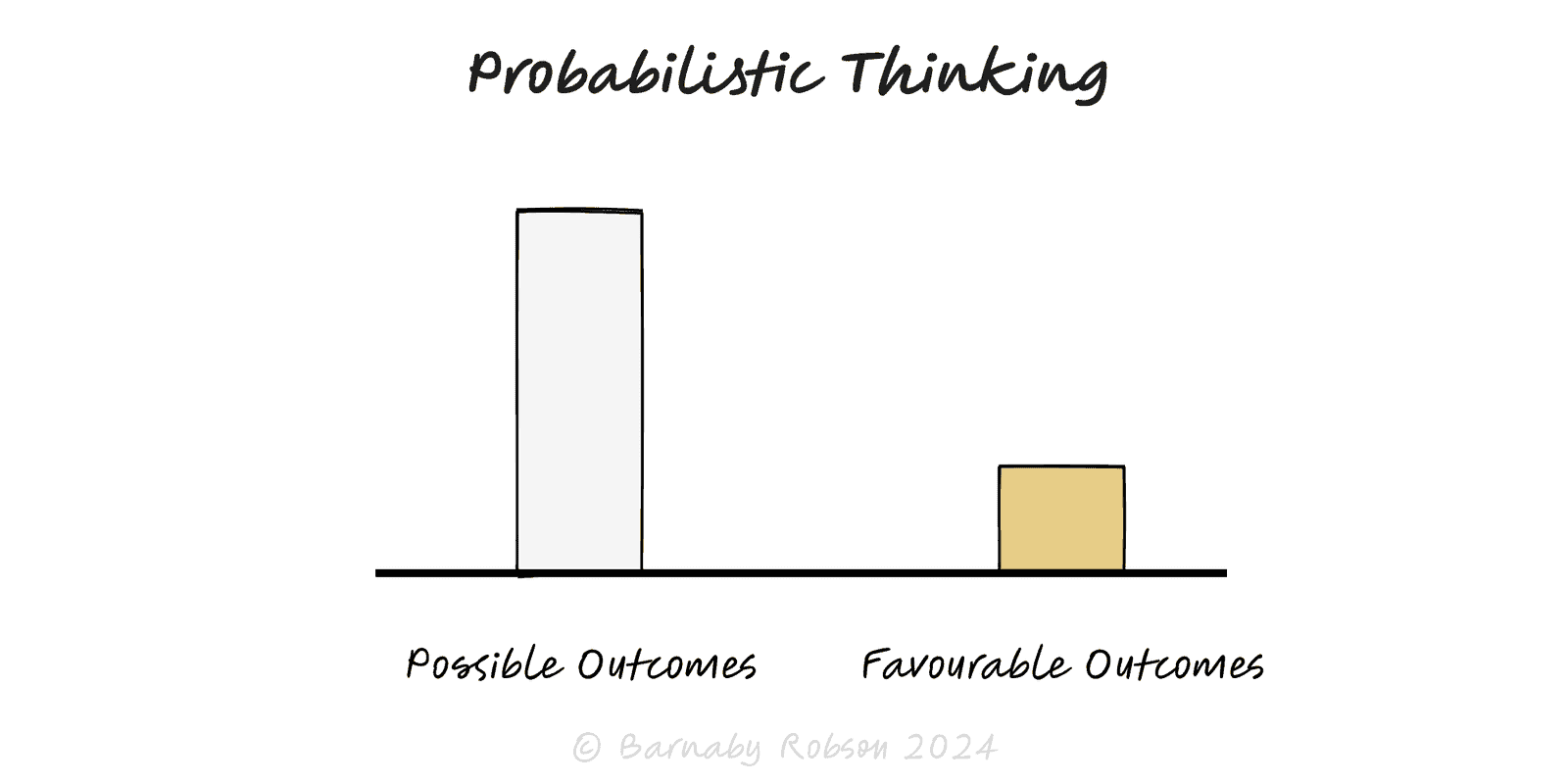
Probabilistic Thinking
Reason in degrees of belief, not certainties: use base rates, ranges, and expected value—then update as evidence arrives.
·
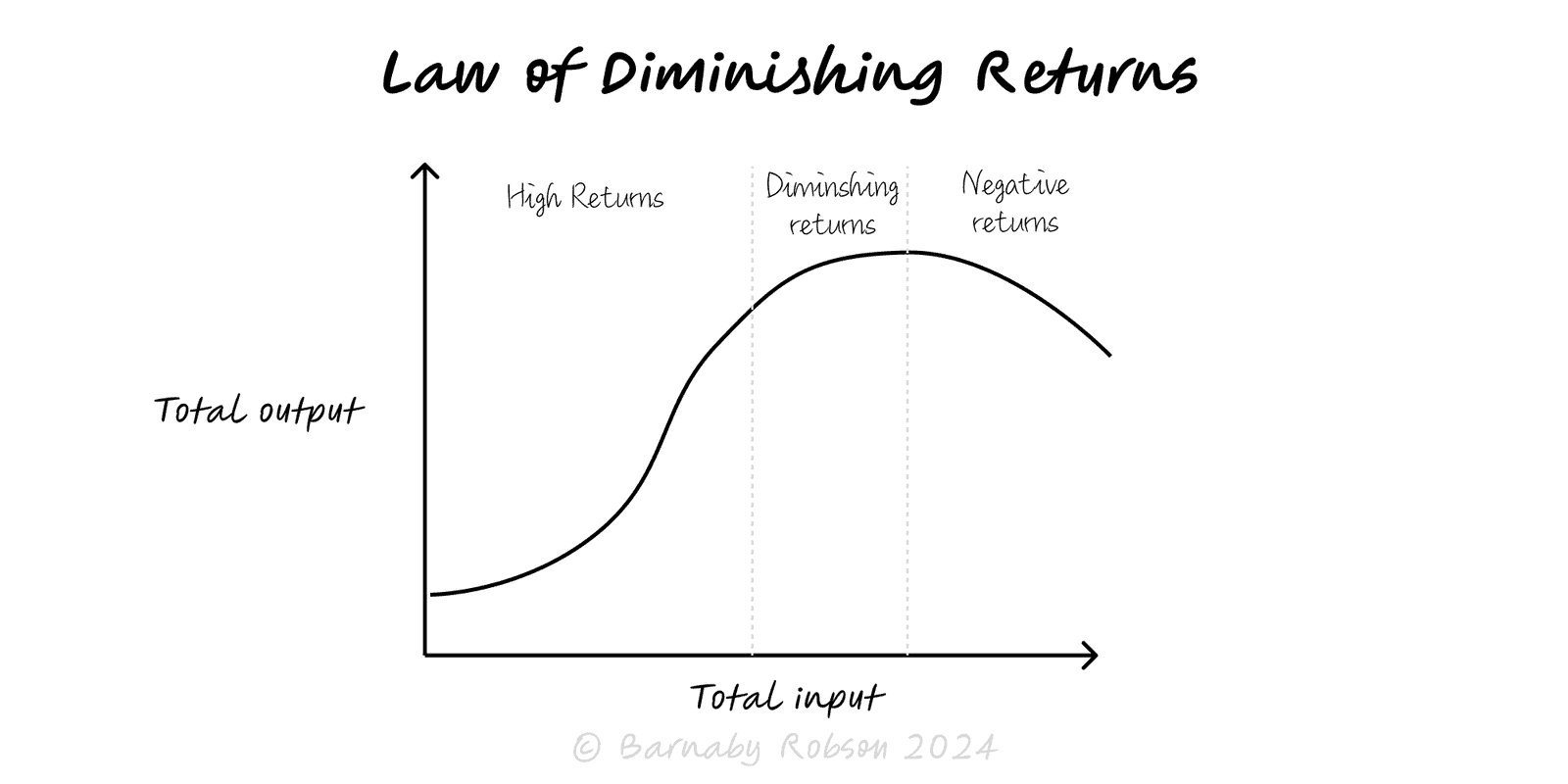
Law of Diminishing Returns
Each extra unit adds less benefit beyond a point; invest until marginal benefit ≈ marginal cost.
·
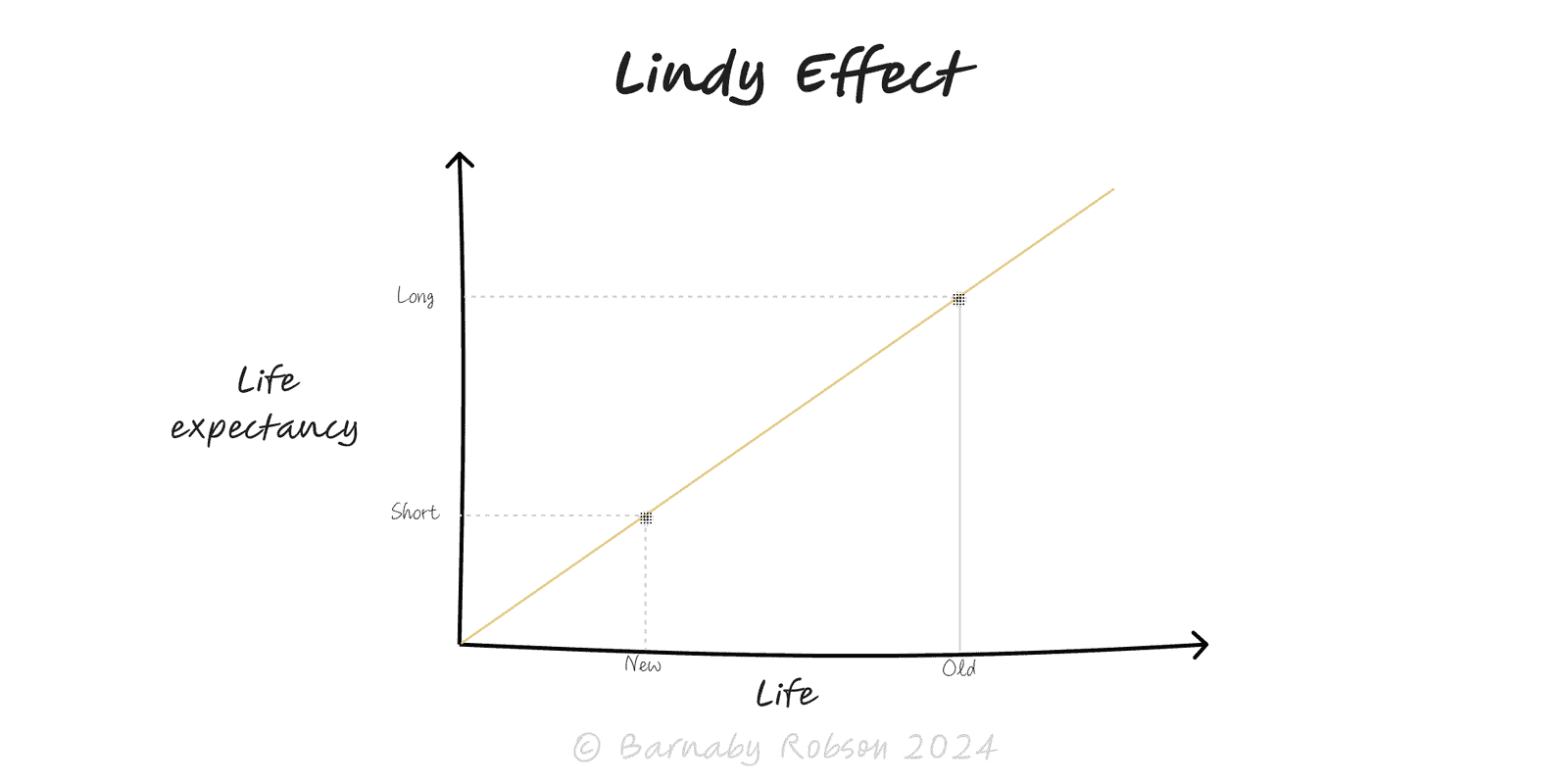
Lindy Effect
For non-perishable things (ideas, books, protocols), the older it is, the longer it’s likely to last.
·
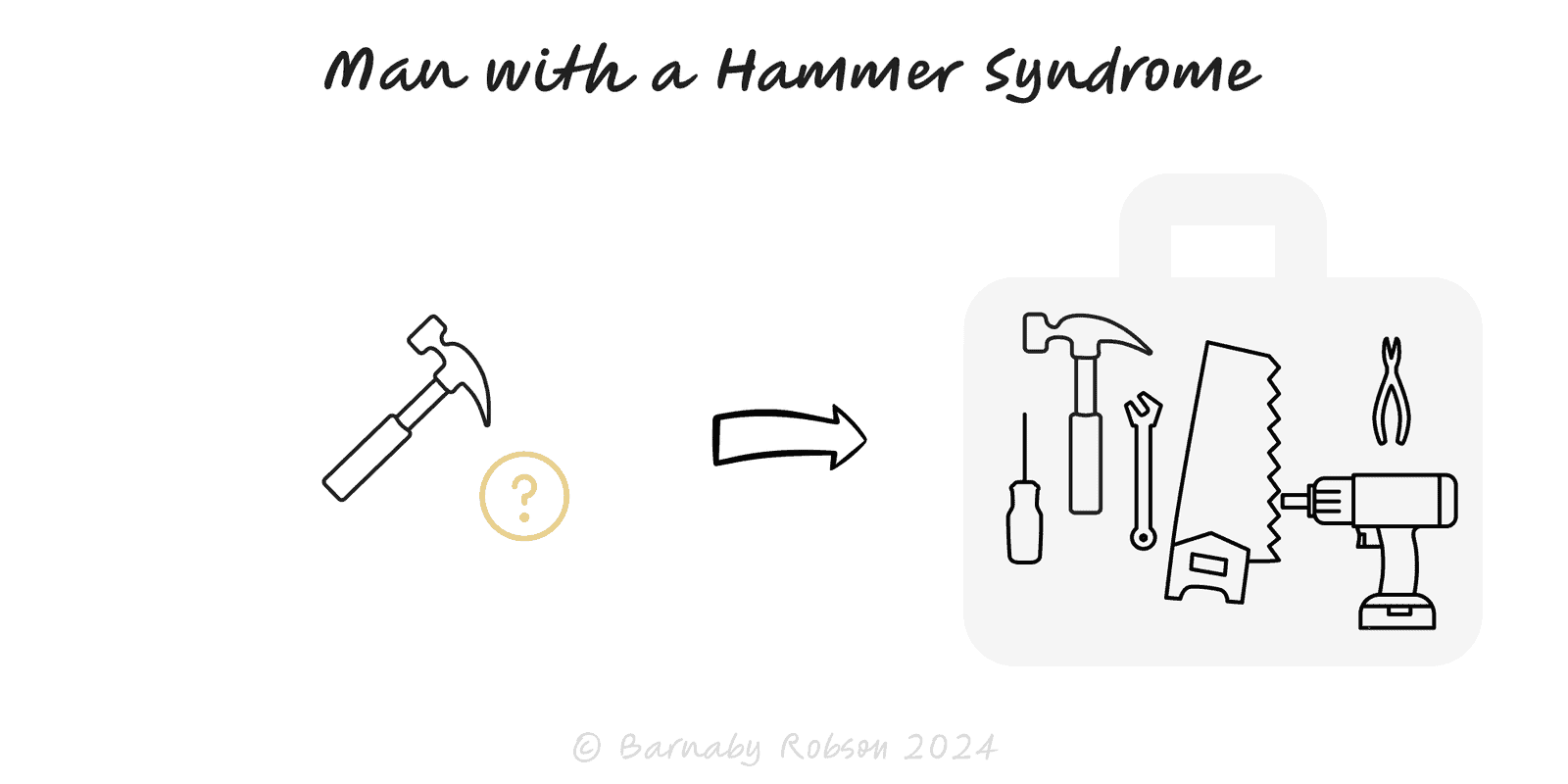
Man with a Hammer Syndrome
Over‑applying a favourite tool (“to a man with a hammer, everything looks like a nail”).
·
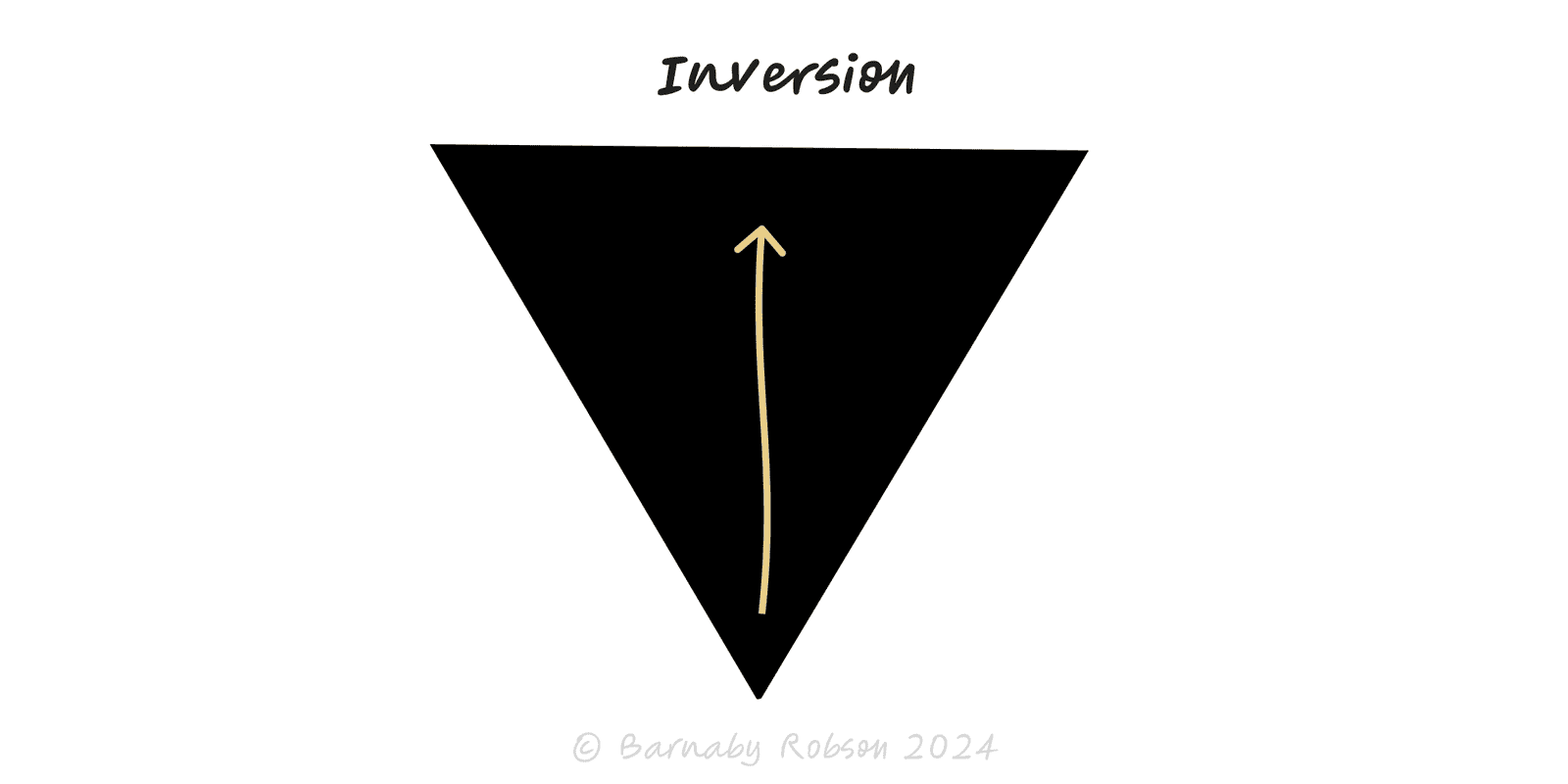
Inversion
Think backwards: define failure and remove its causes; ask the inverse question to see blind spots.
·