Signal versus noise

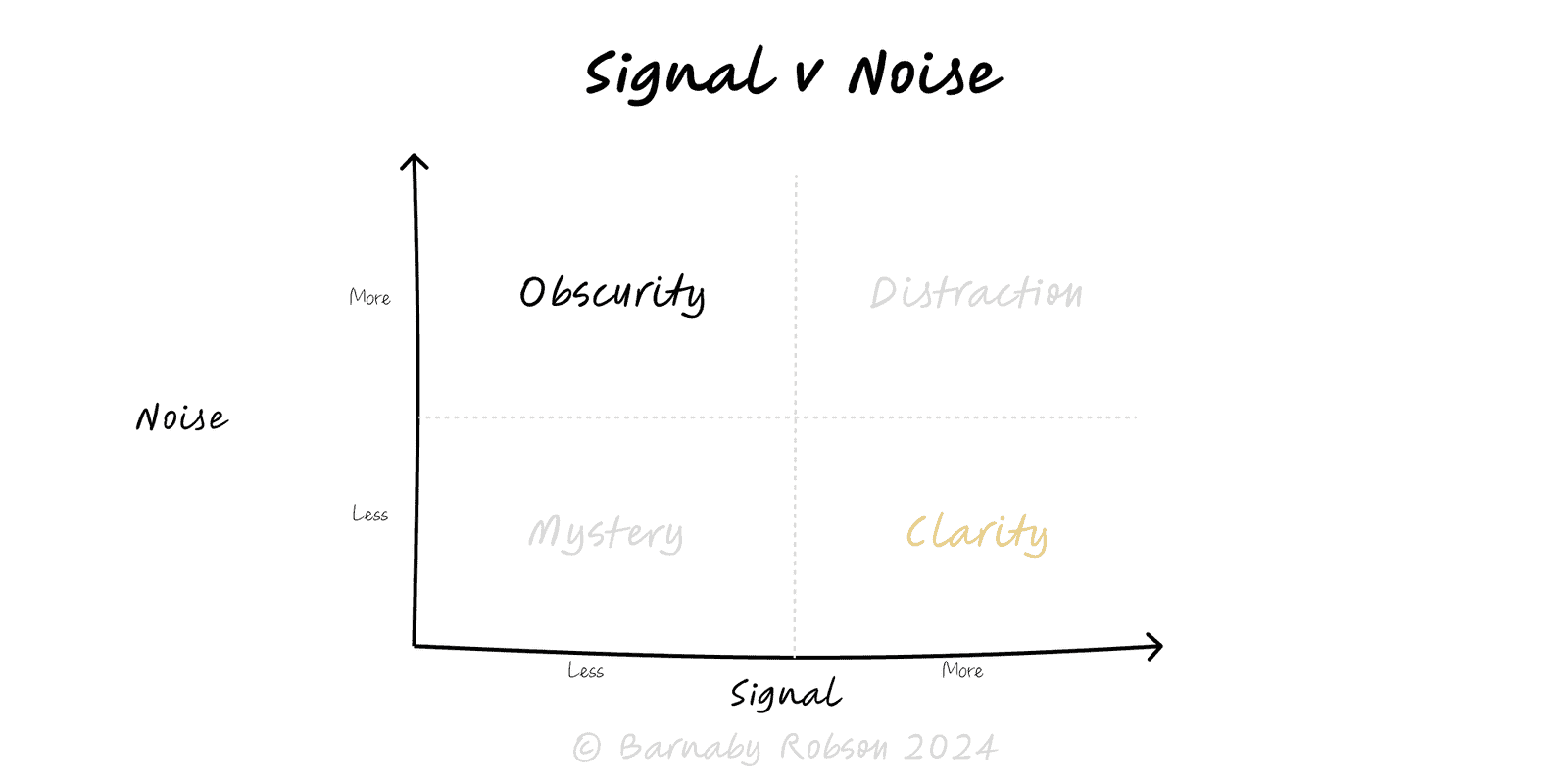
Distinguish meaningful information from random fluctuation. Set thresholds and smoothing to avoid reacting to noise, and act only when movements clear expected variability.

Author

General usage across stats, engineering, finance


Every metric mixes signal (systematic effect) with noise (random variation, measurement error, short-term churn).

Decisions improve when you size typical variation first, then require movements to exceed it before you change course.

How it works


Signal – consistent pattern caused by a mechanism (trend, seasonality, causal impact).

Noise – random/unsystematic variation from sampling, timing, or measurement error.

Signal-to-noise ratio (SNR) – strength of effect vs variance; low SNR needs more data or stronger designs.

Smoothing/aggregation – moving averages, EWMA, weekly cohorts reduce noise to reveal trend.

Control limits – define expected bounds (e.g. ±3σ). Points outside likely indicate signal.

Bias–variance trade-off – more smoothing reduces variance but can hide real changes (lag).

Multiple comparisons – many metrics/tests inflate false positives; control with pre-specification or correction.
Use-cases


Dashboards – show trend + control limits so leaders don’t chase random wiggles.

A/B tests – require pre-set power, minimum detectable effect, and stopping rules.

Forecasting – decompose time series (trend/seasonality/residual) before modelling.

Ops quality – SPC charts to detect real process shifts vs common-cause variation.

Investment & diligence – distinguish narrative noise from persistent unit-economic shifts.

Pitfalls & Cautions


Chasing wiggles – reacting within expected variance (common-cause).

Bad denominators – ratio changes from traffic mix masquerade as signal.

Seasonality confusion – weekly/holiday effects misread as trends.

Multiple testing – fishing across many cuts inflates false positives.

Over-smoothing – hiding real step-changes; review lag vs sensitivity.

Related Mental Models

Click below to learn other mental models

  • Lindy Effect

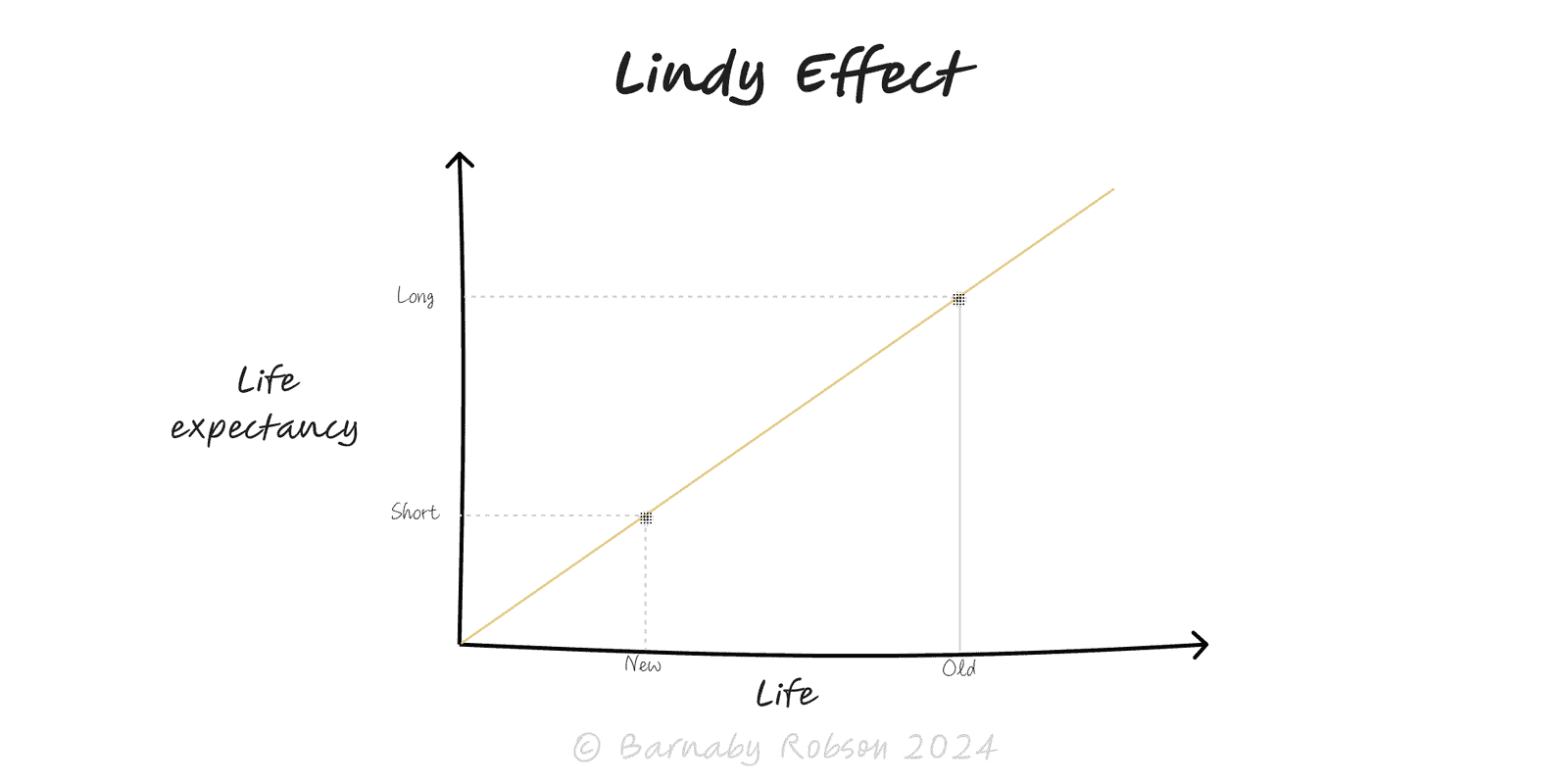
    Lindy Effect

    For non-perishable things (ideas, books, protocols), the older it is, the longer it’s likely to last.

  • Adaptation

    Adaptation

    Improve fit to a changing environment by shortening feedback loops, trying small bets, and keeping options open.

  • Margin of Safety

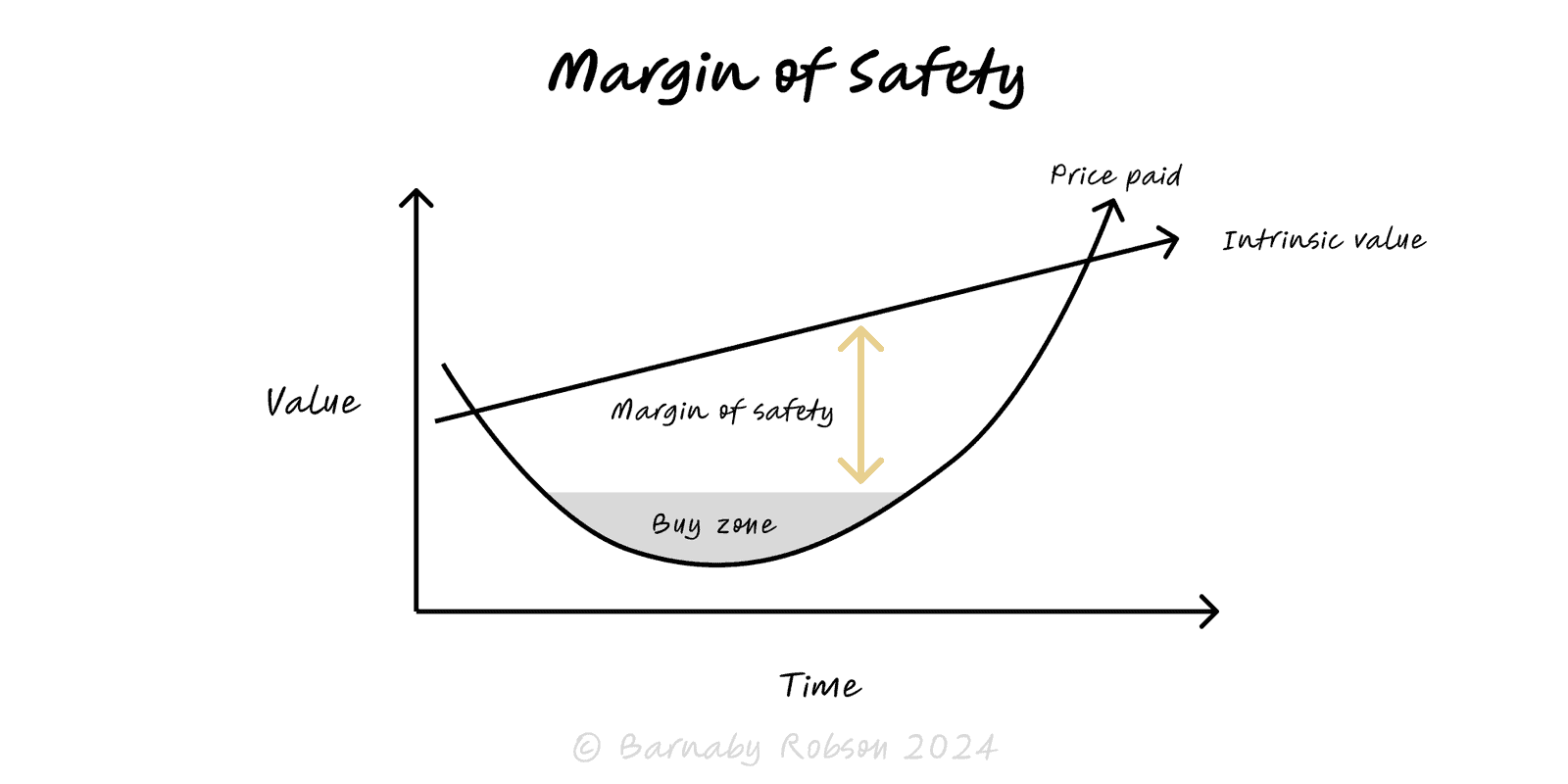
    Margin of Safety

    Deliberately leave room for error—buy below value, build above load, plan beyond the optimistic case—so mistakes and volatility don’t cause ruin.

Preparing reader…