Model: Innovation & Design
Focuses on creative processes, prototyping, and scaling ideas into viable products or services.

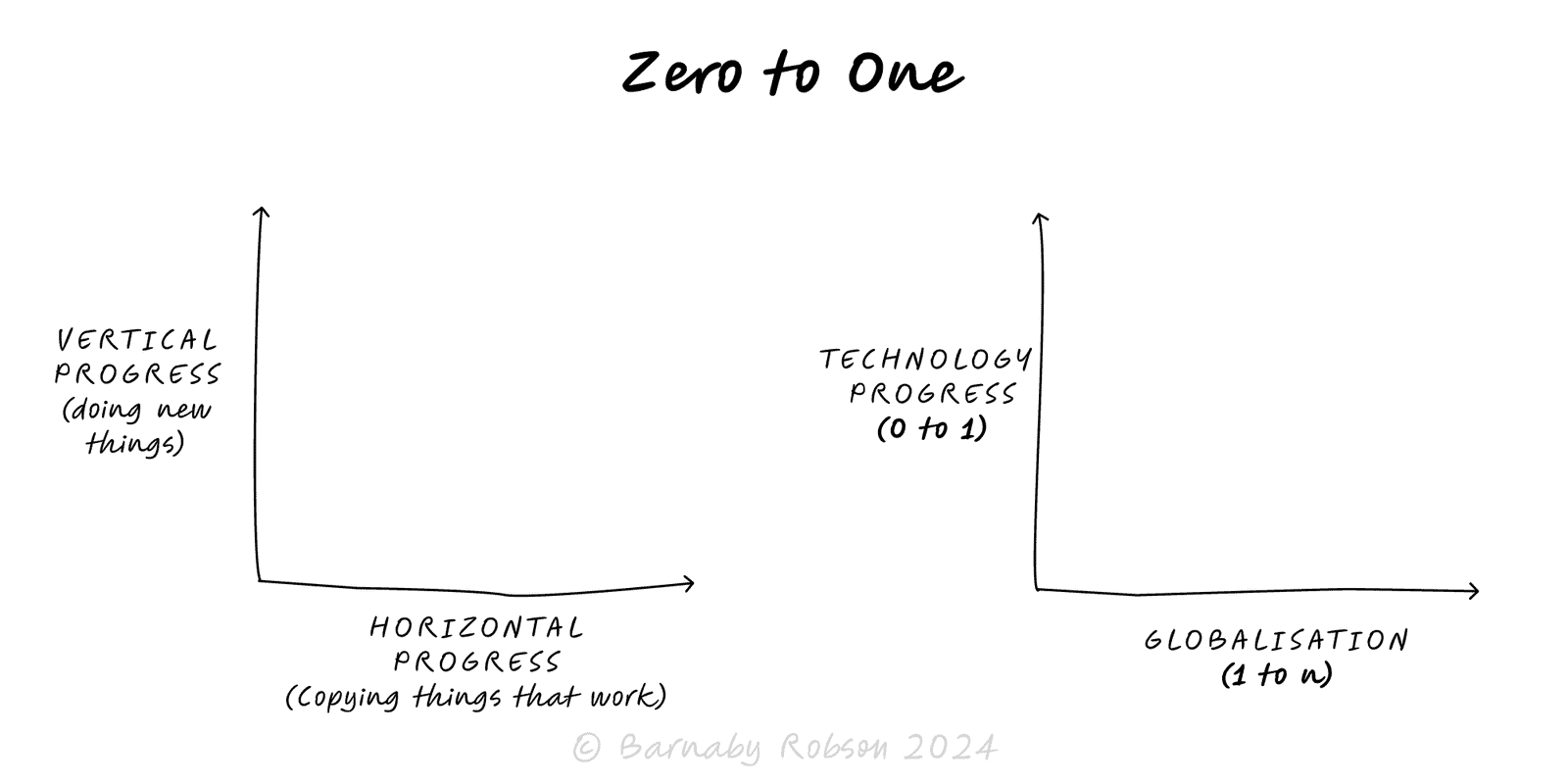
Zero to One
Aim for vertical progress—create something truly new (0 → 1), not just more of the same (1 → n). Win by building a monopoly on a focused niche and compounding from there.
·
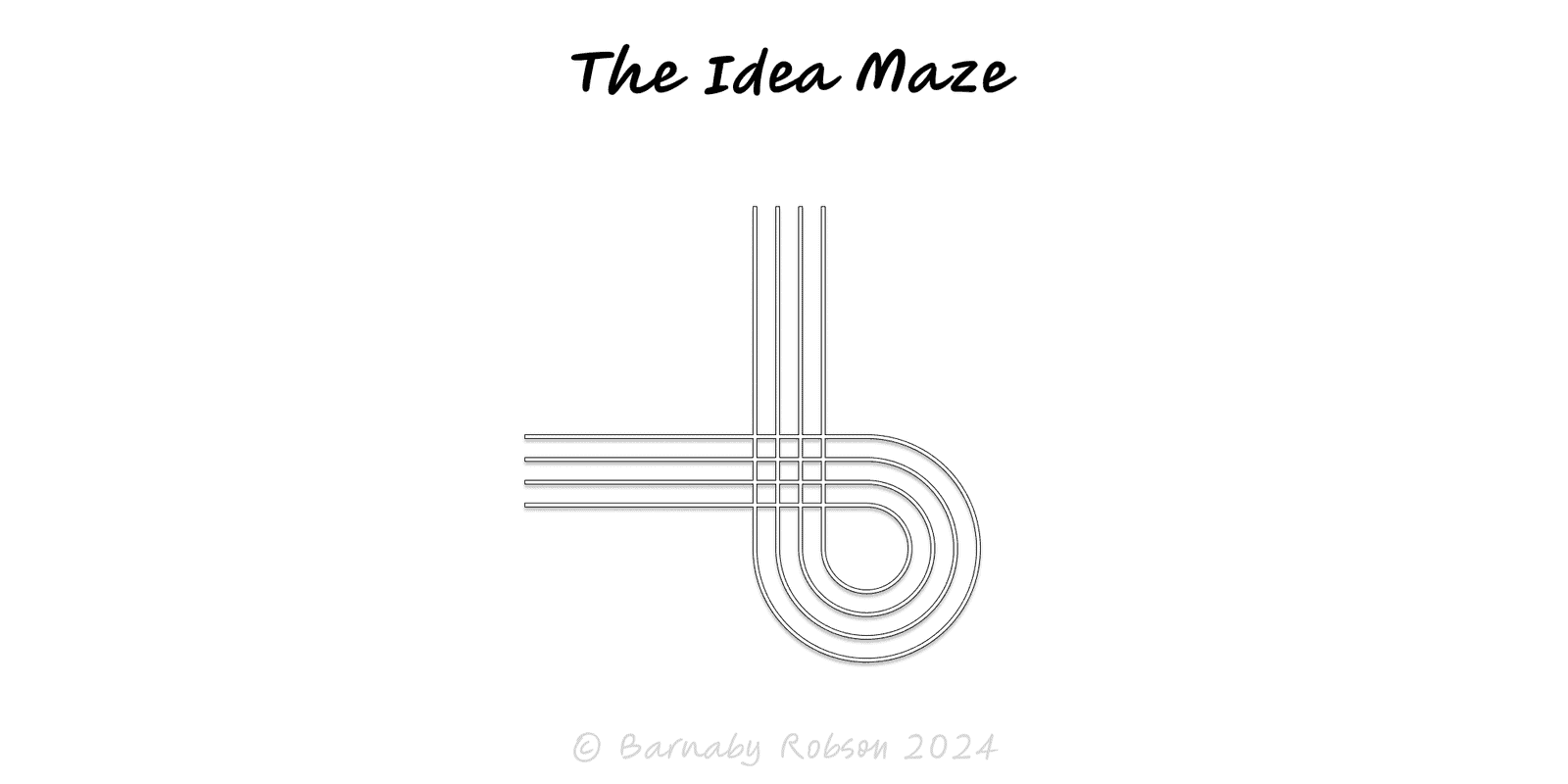
The Idea Maze
Before building, map the space: the key forks, dead ends and dependencies—so you can choose a promising path and run smarter tests.
·
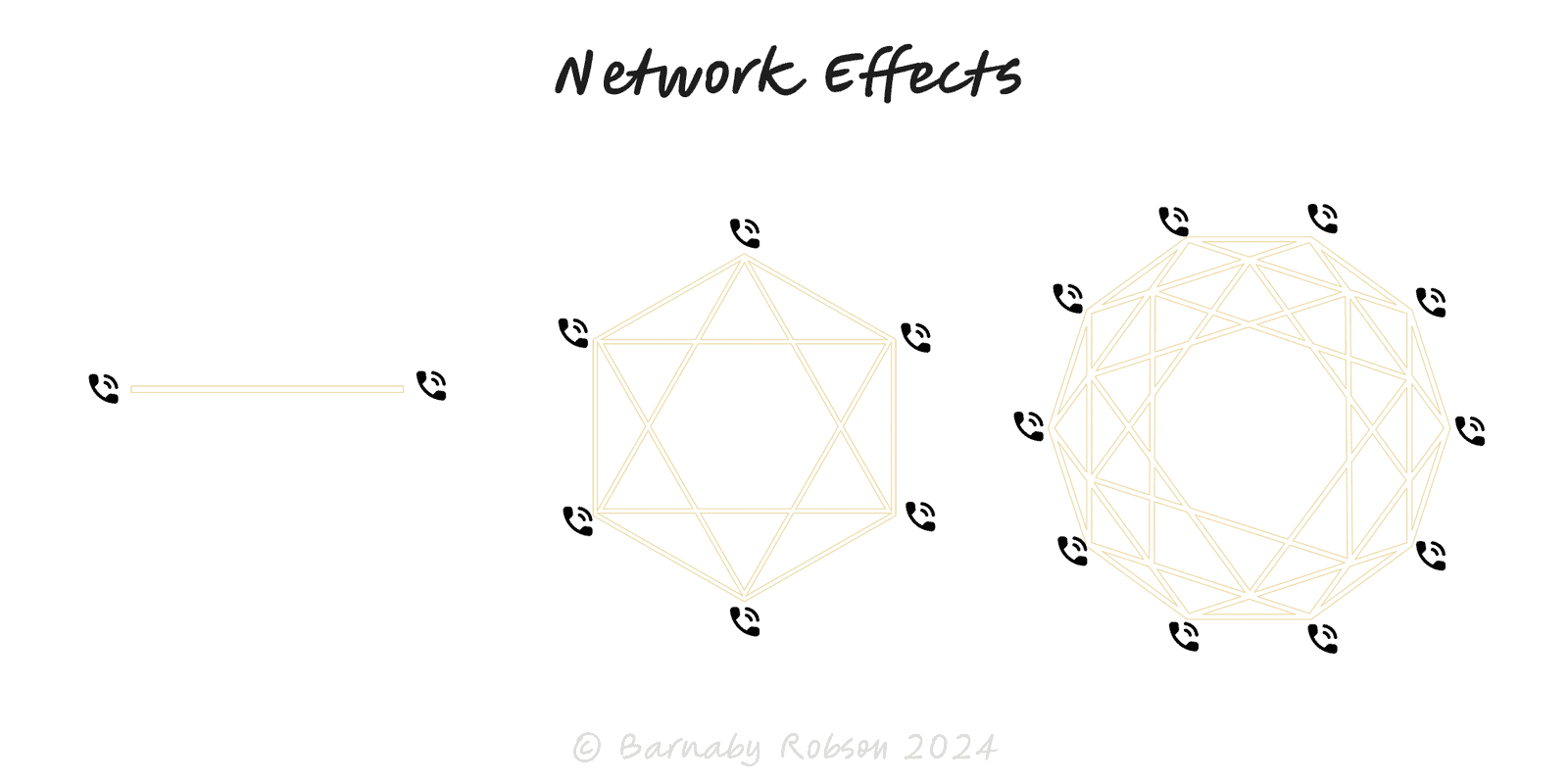
Network Effects
A product becomes more valuable as more participants join and interact. Design for liquidity and quality, not just user count.
·
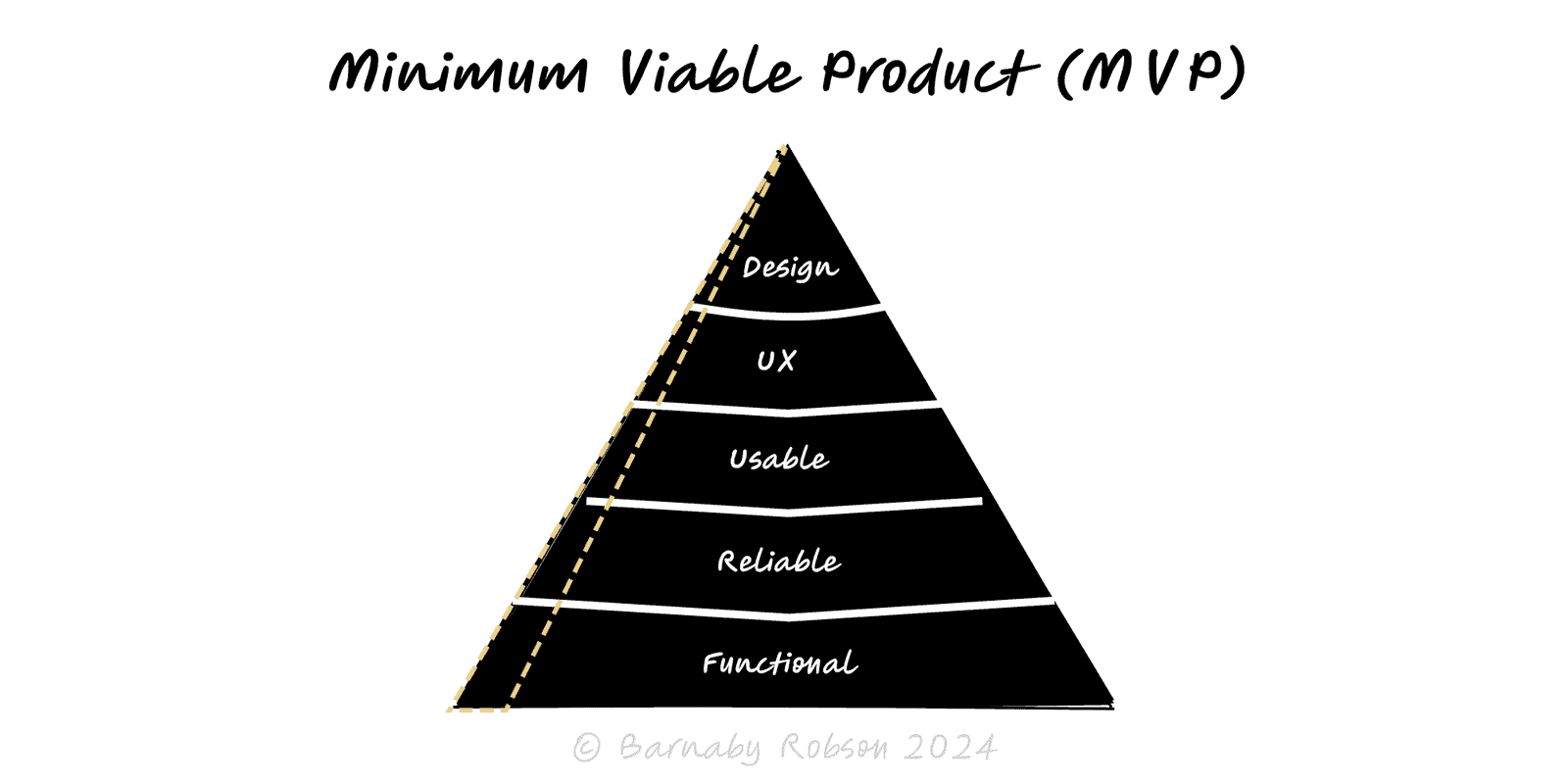
Minimum Viable Product
Build the smallest thing that tests the riskiest assumption with real users, measure what matters, and decide to pivot, persist, or kill.
·
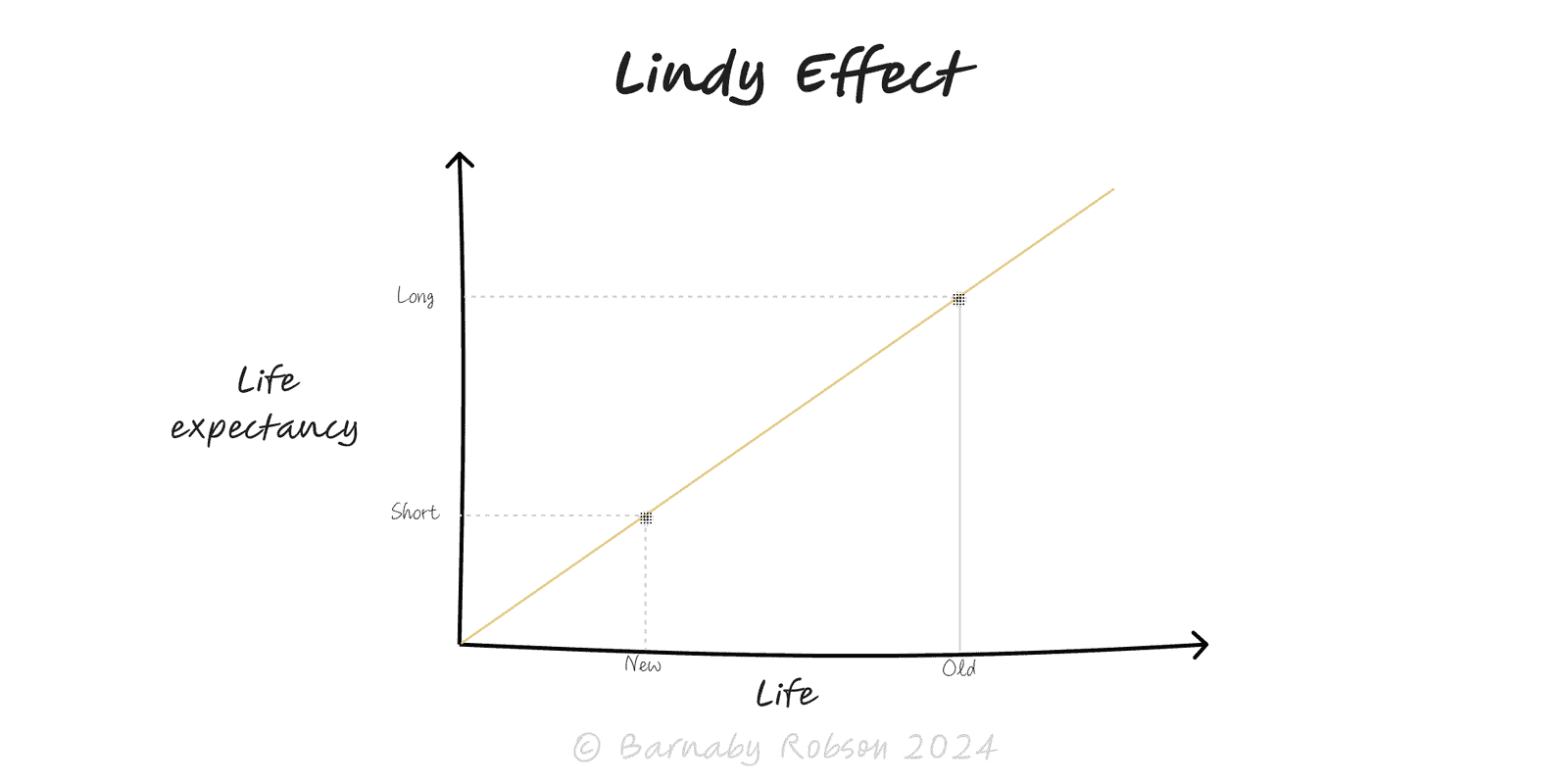
Lindy Effect
For non-perishable things (ideas, books, protocols), the older it is, the longer it’s likely to last.
·
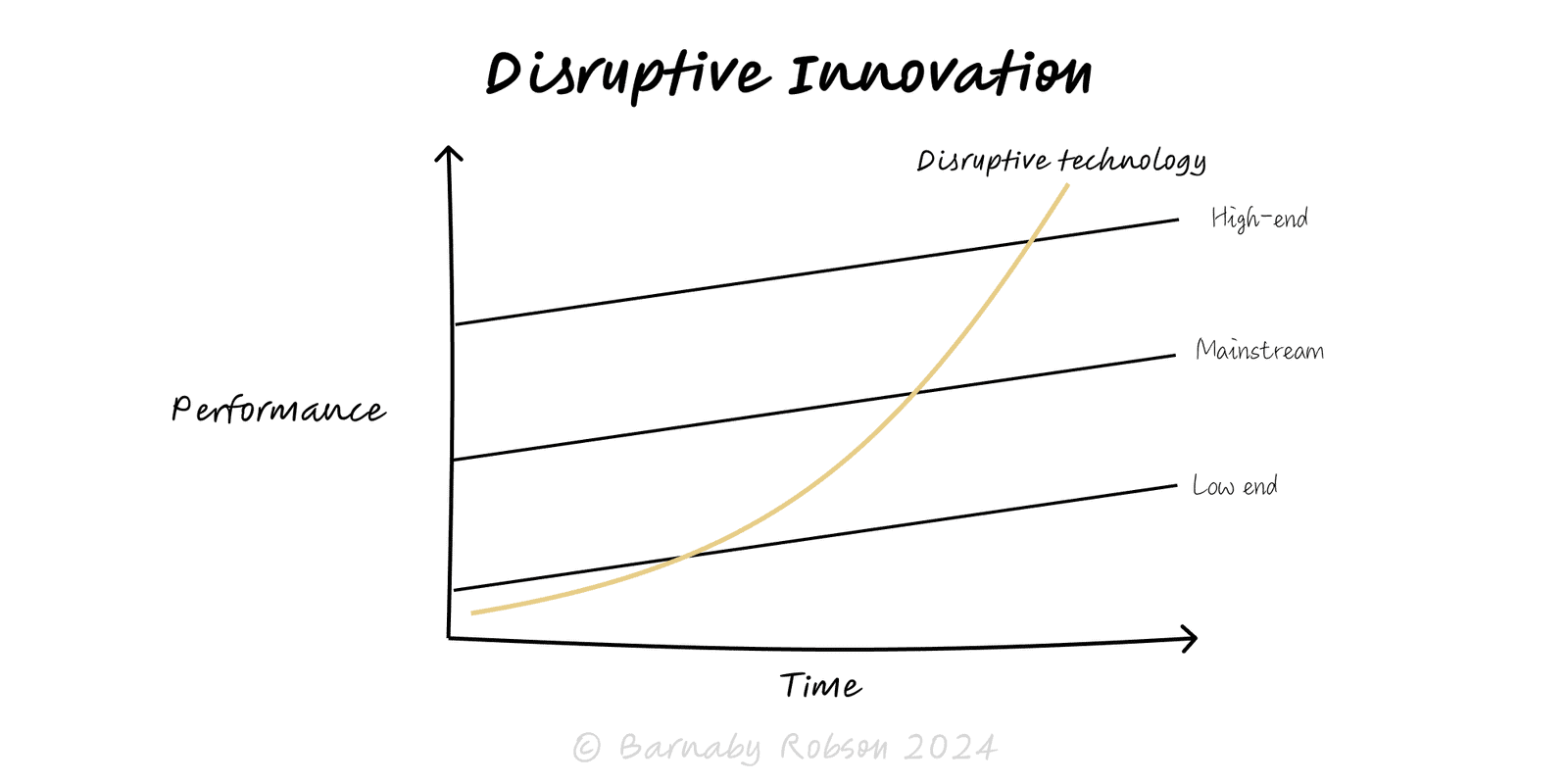
Disruptive Innovation
Entrants start with cheaper, simpler offers for over-served or non-consumers, then move upmarket while incumbents ignore them.
·
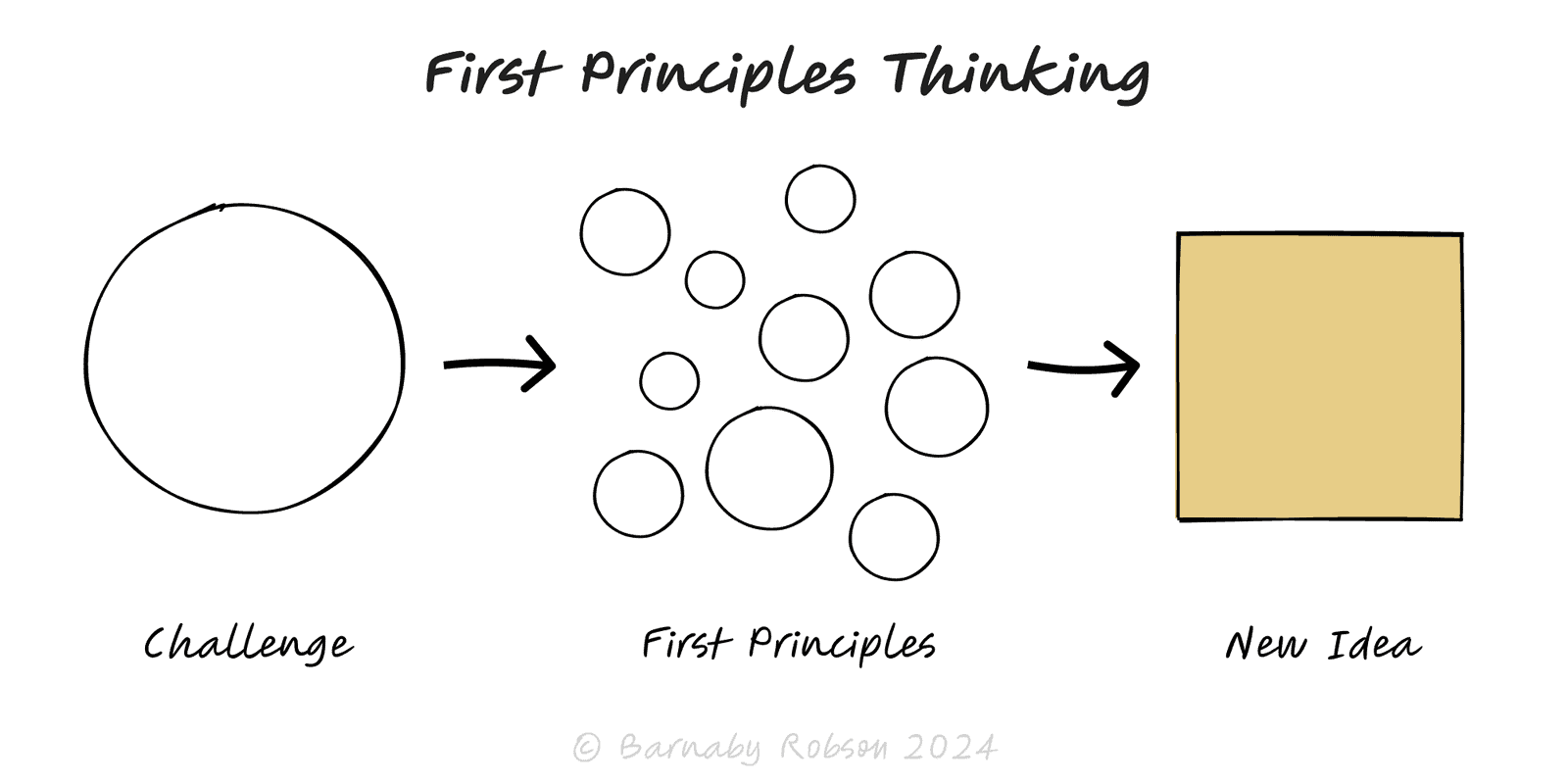
First Principles Thinking
Reduce a problem to its fundamental truths, then reason up from there—ignoring defaults, habits and analogy.
·
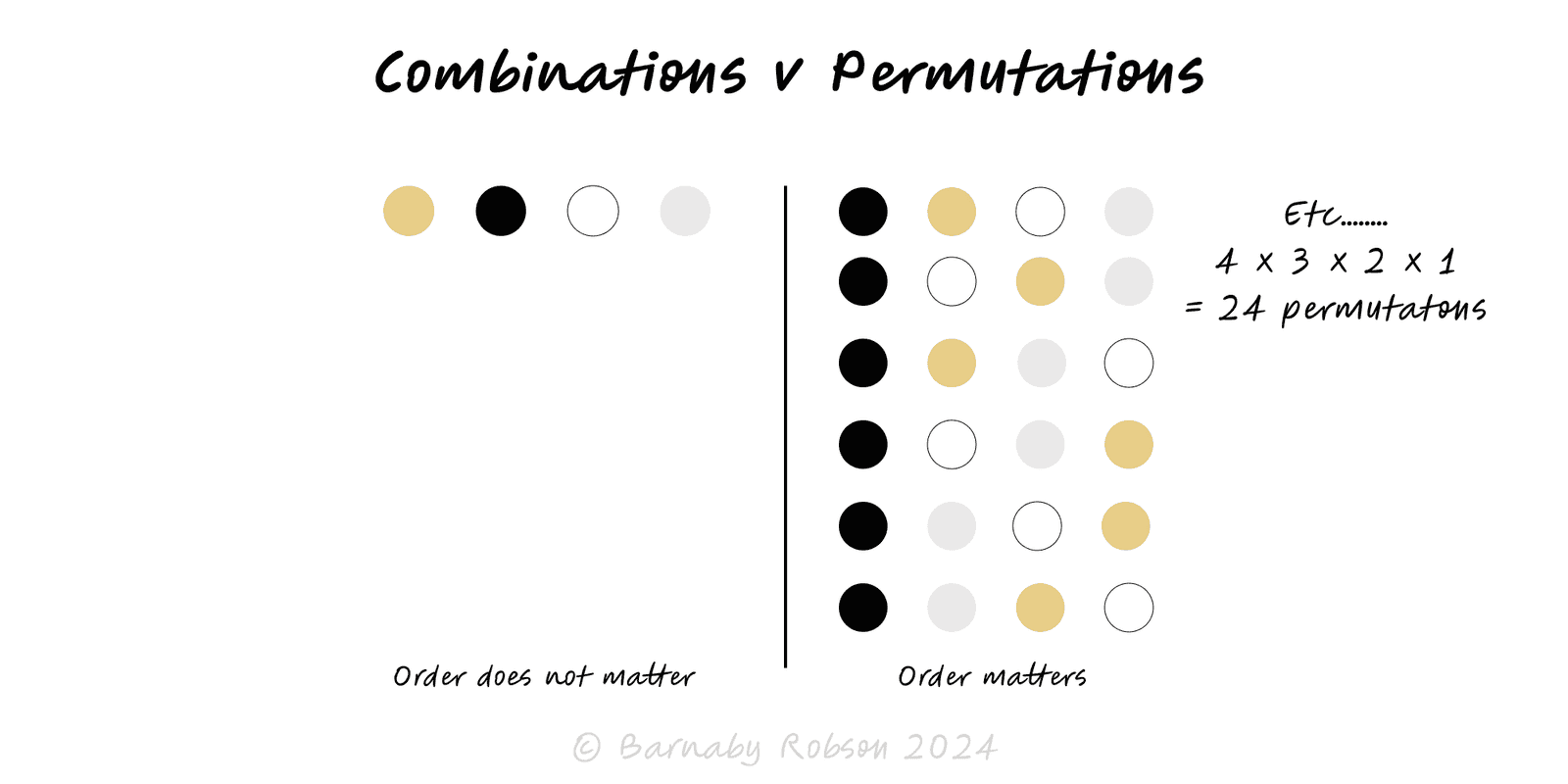
Combinations vs Permutations
Order matters → permutations. Order doesn’t → combinations. Adjust for with/without replacement.
·
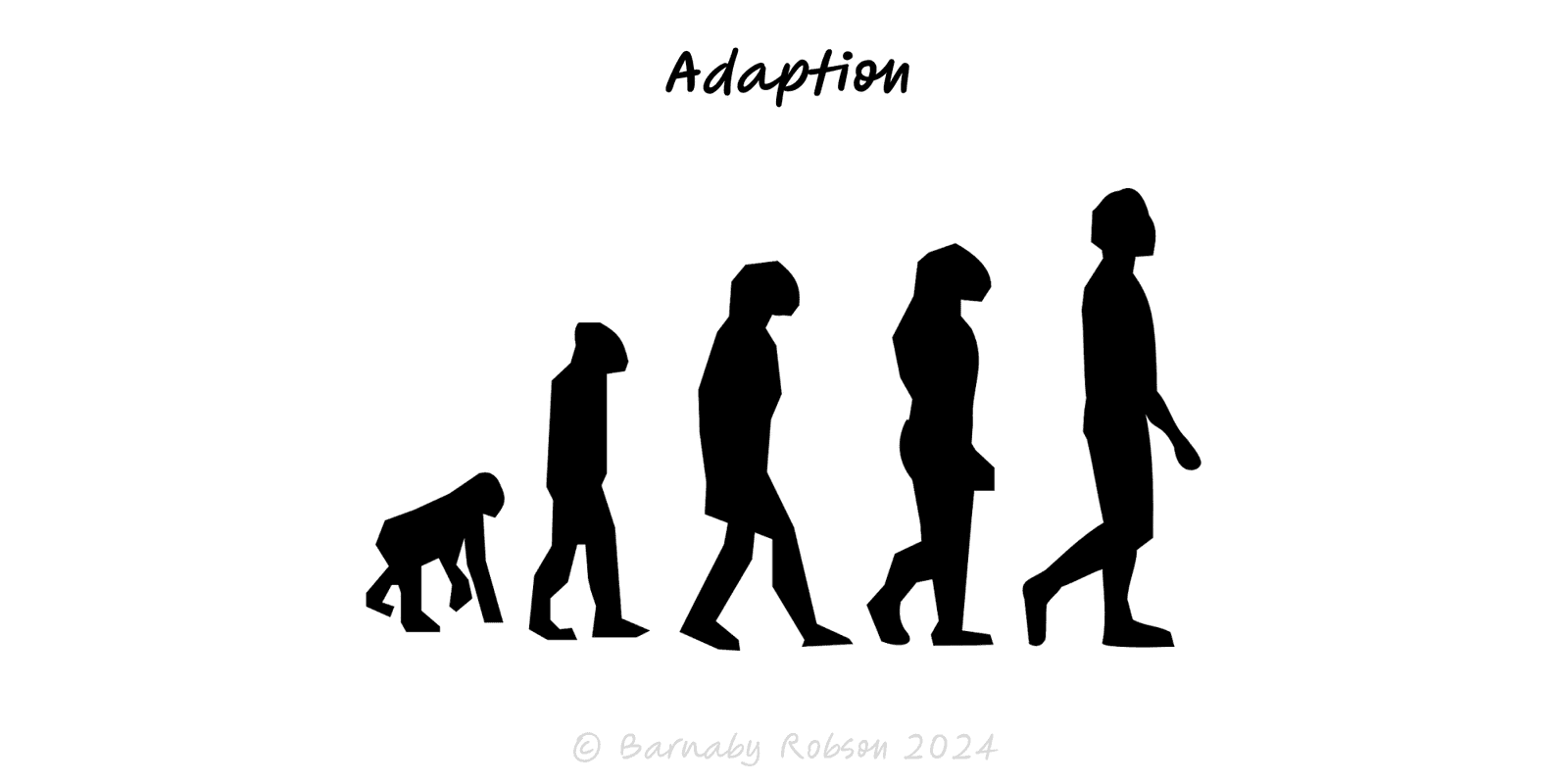
Adaptation
Improve fit to a changing environment by shortening feedback loops, trying small bets, and keeping options open.
·
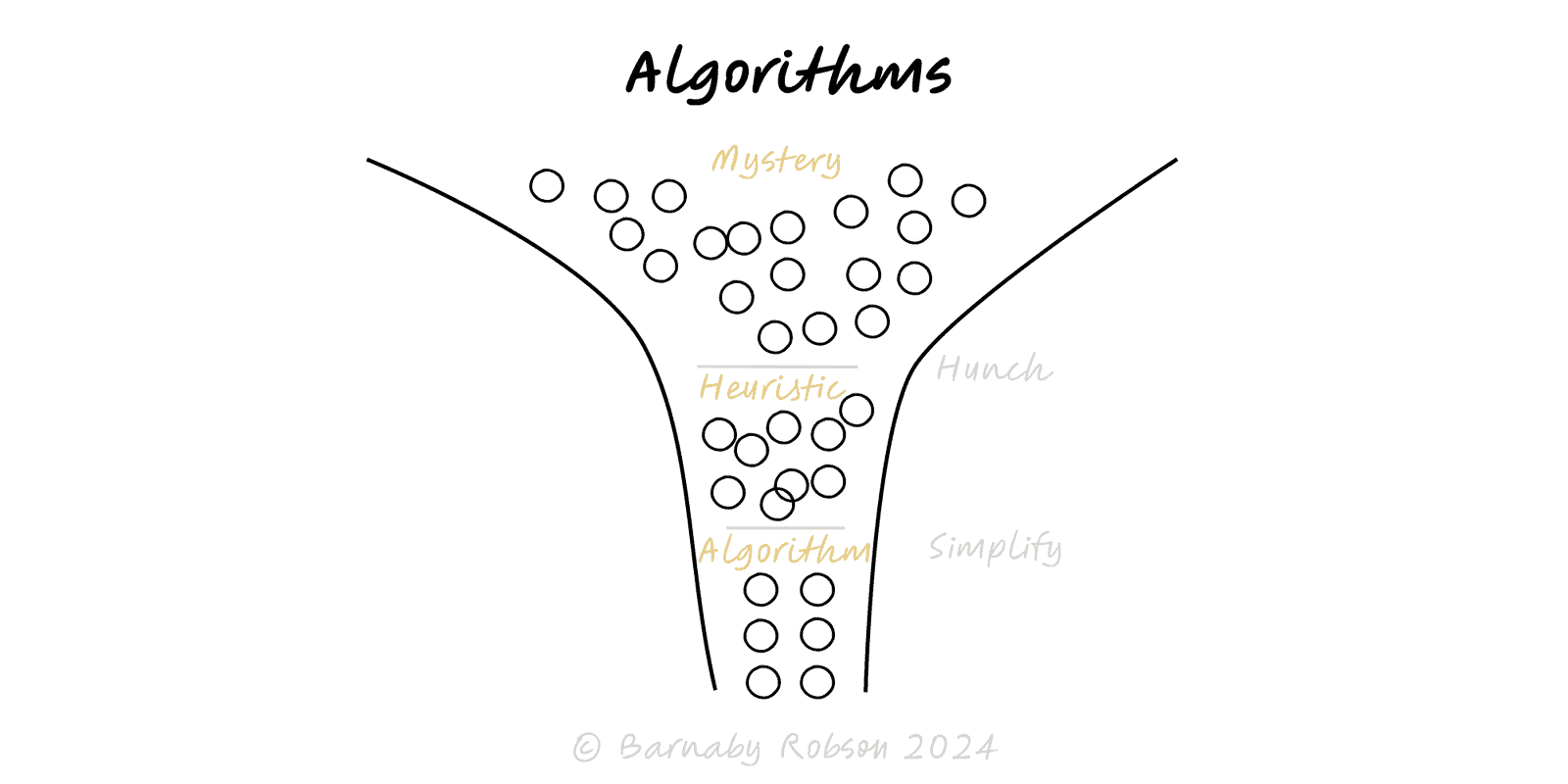
Algorithms
Move work from mystery to heuristic to algorithm – start with a hunch, then simplify until the decision is repeatable and automatable.
·
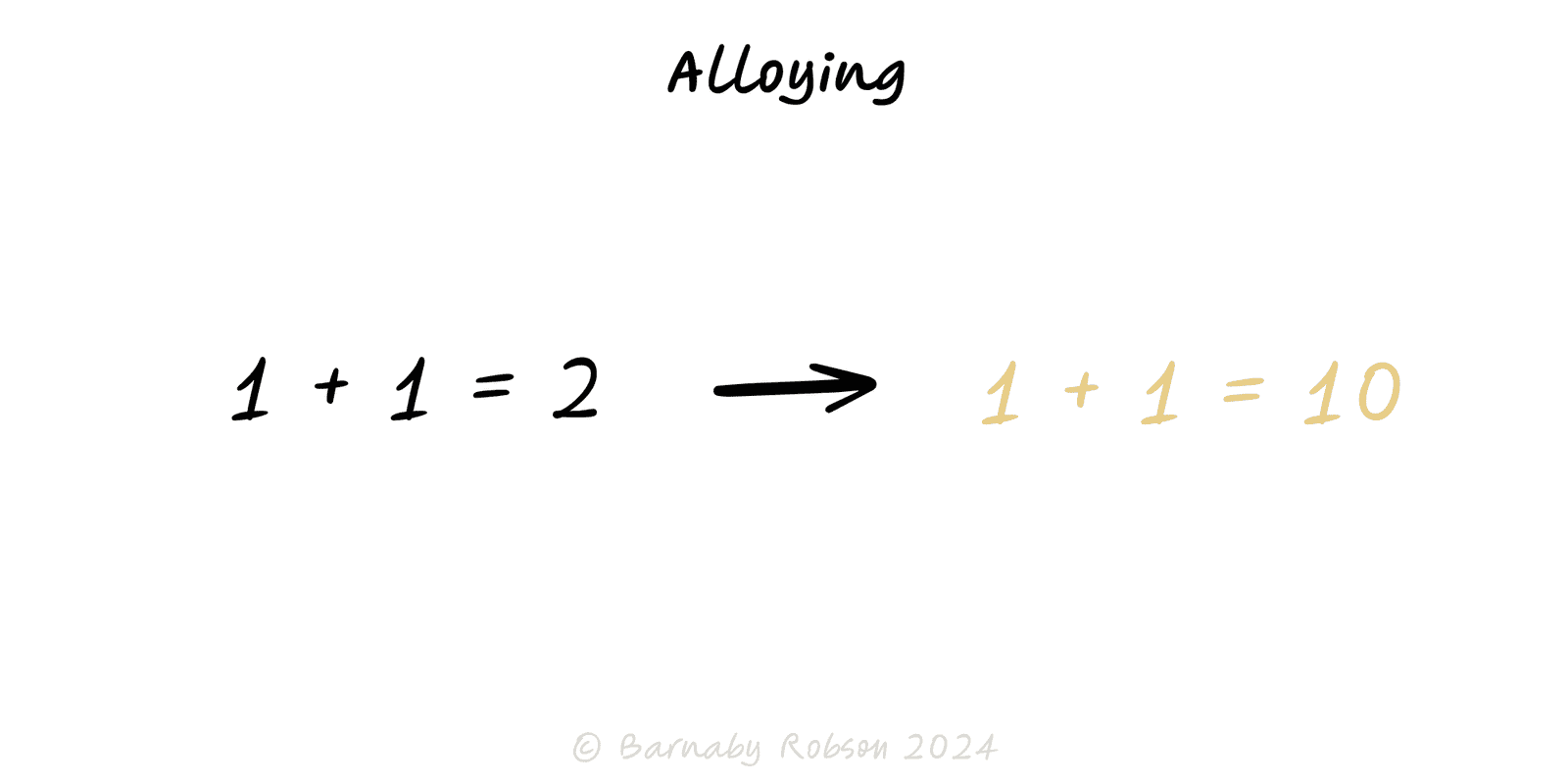
Alloying
Combine complementary capabilities or assets so the composite is stronger than the parts—materials science as a strategy metaphor.
·