Model: Communication & Influence
Structure, story and ethical persuasion. Make ideas land and decisions stick. (5 Ws, Pyramid Principle, State–Story–Strategy, Steel-man, BATNA).

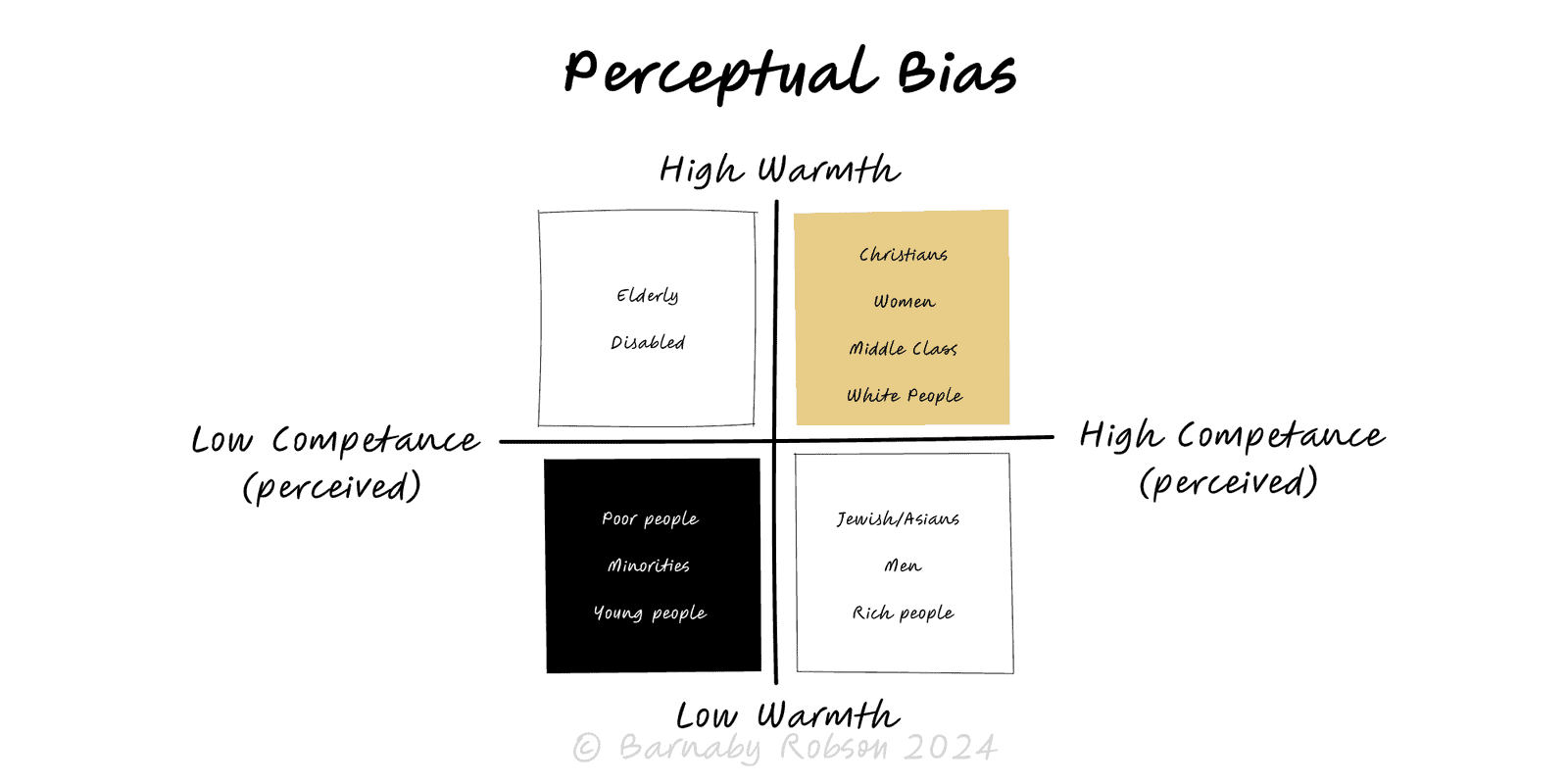
Perceptual Bias
When perception systematically deviates—illusions, context effects—so the same data looks different.
·
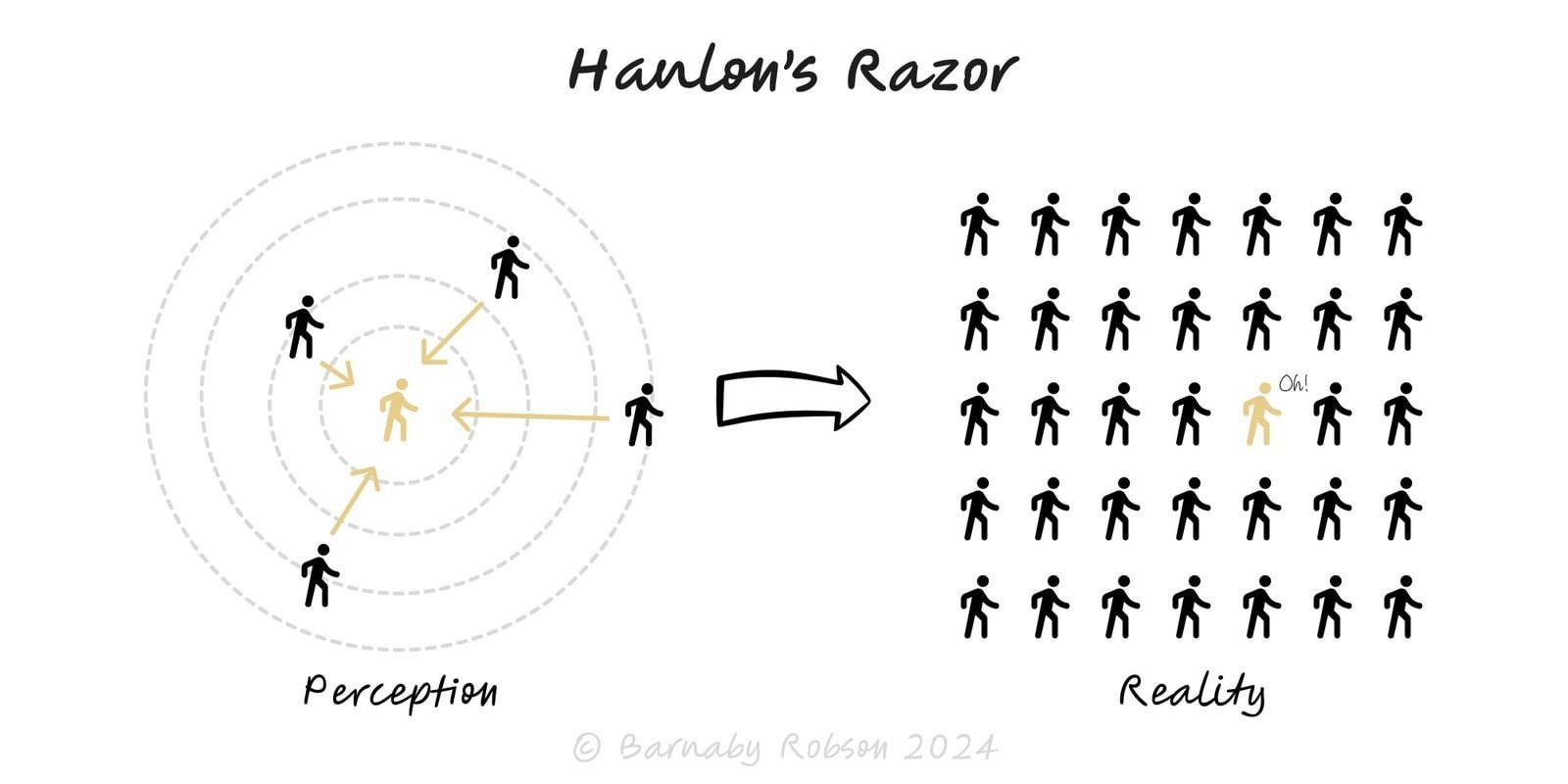
Hanlon’s Razor
Don’t attribute to malice what can be explained by error, ignorance or misaligned incentives.
·
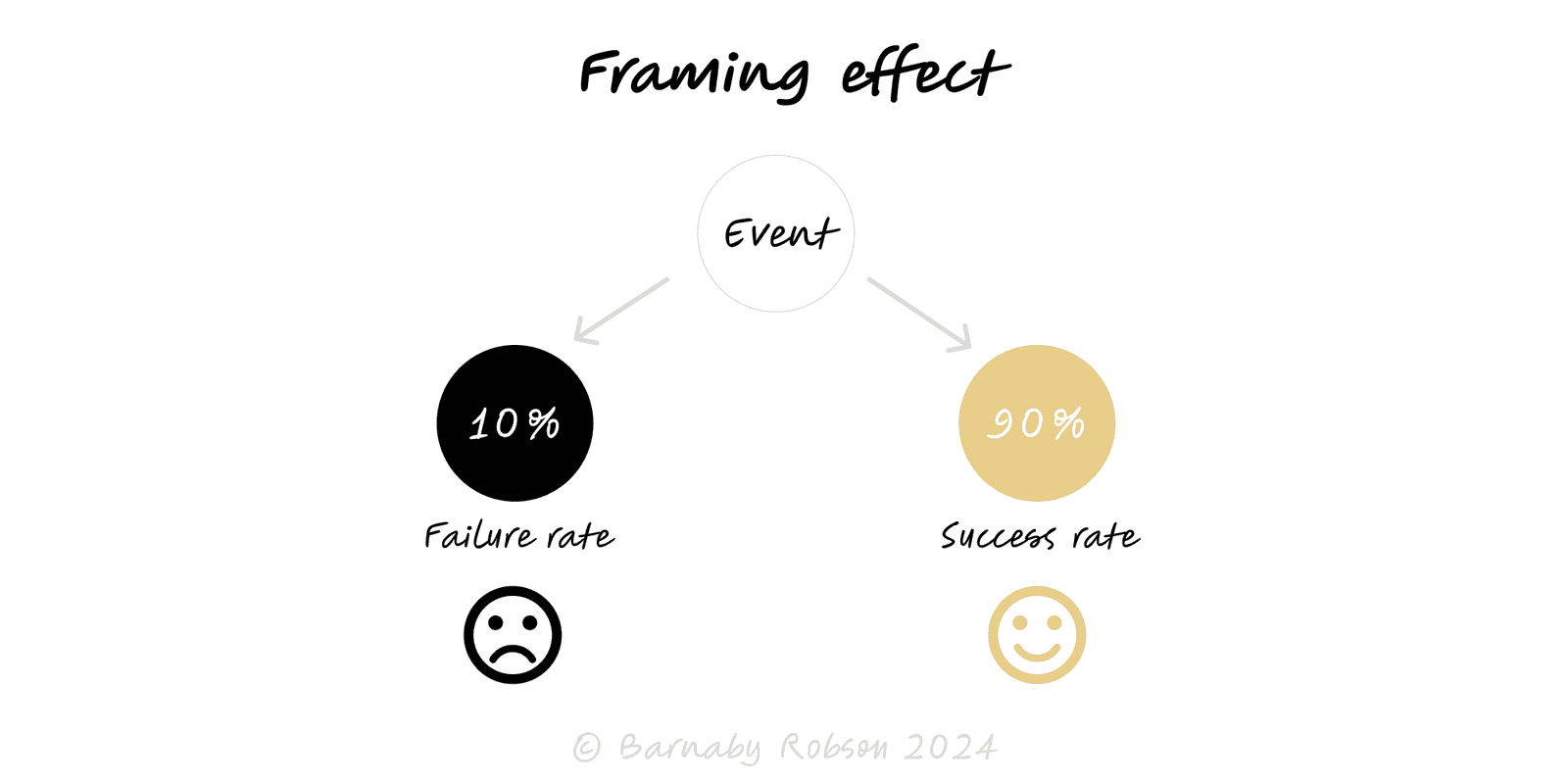
Framing Effect
Choices shift with wording. The same facts, framed differently, lead to different decisions.
·
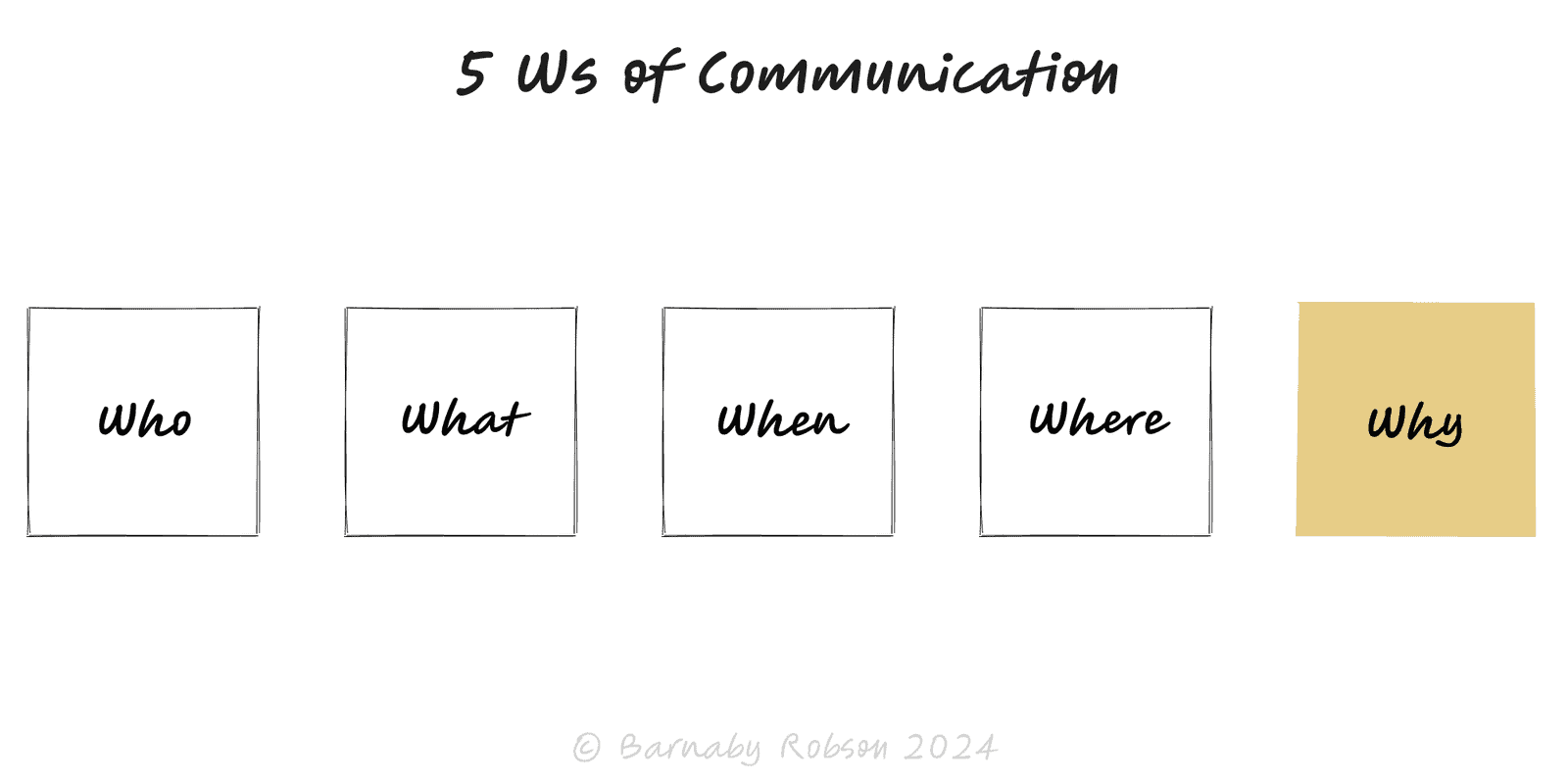
5 Ws of Communication
A compact briefing frame that forces concretes: Who, What, When, Where, Why (and How). Use it to make messages decision-ready and prevent gaps that derail execution.
·
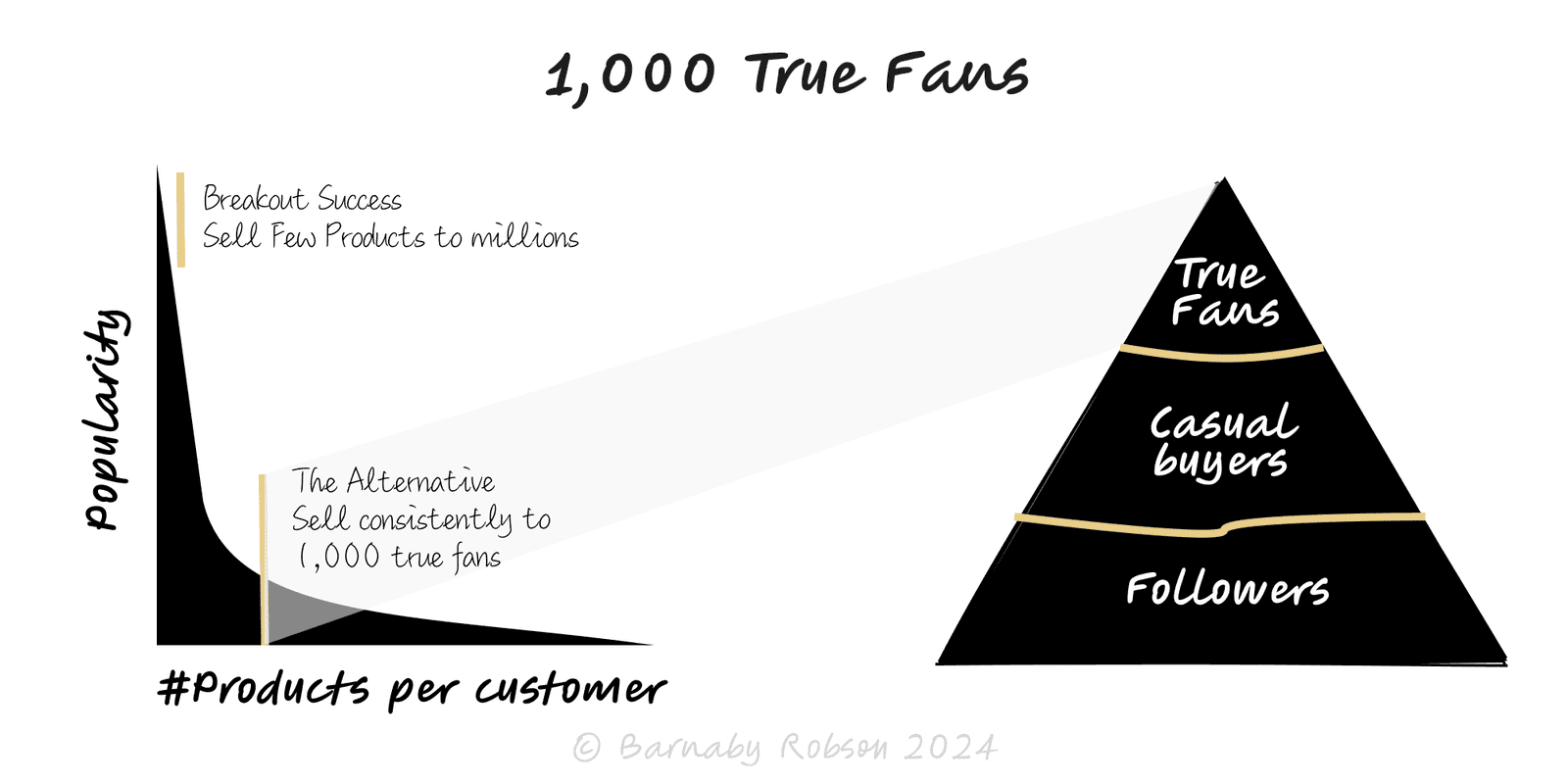
1000 True Fans
Kevin Kelly’s rule of thumb for creators and niche businesses: a direct base of ~1,000 true fans can sustain a venture if ARPU and retention are healthy.
·
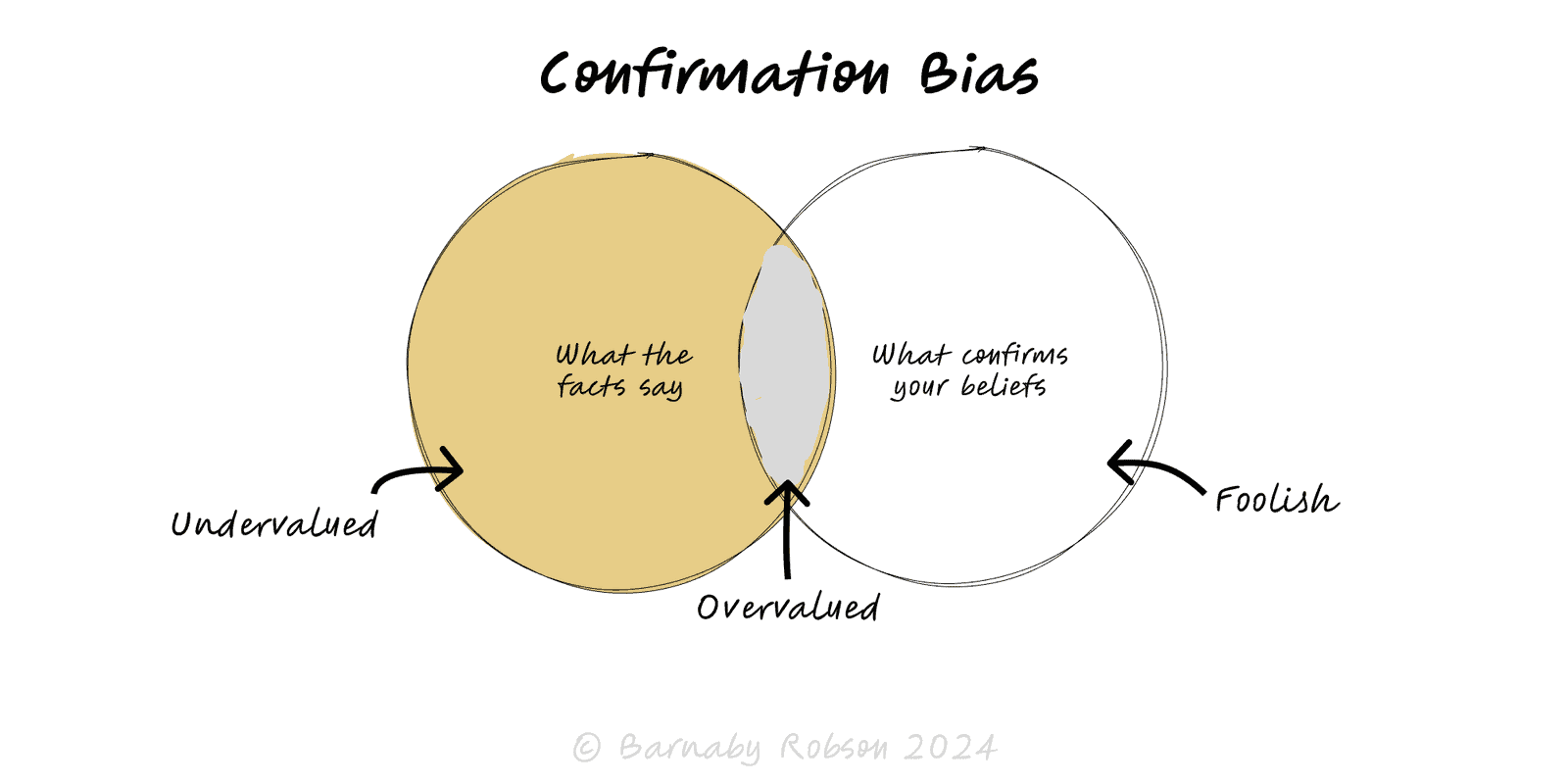
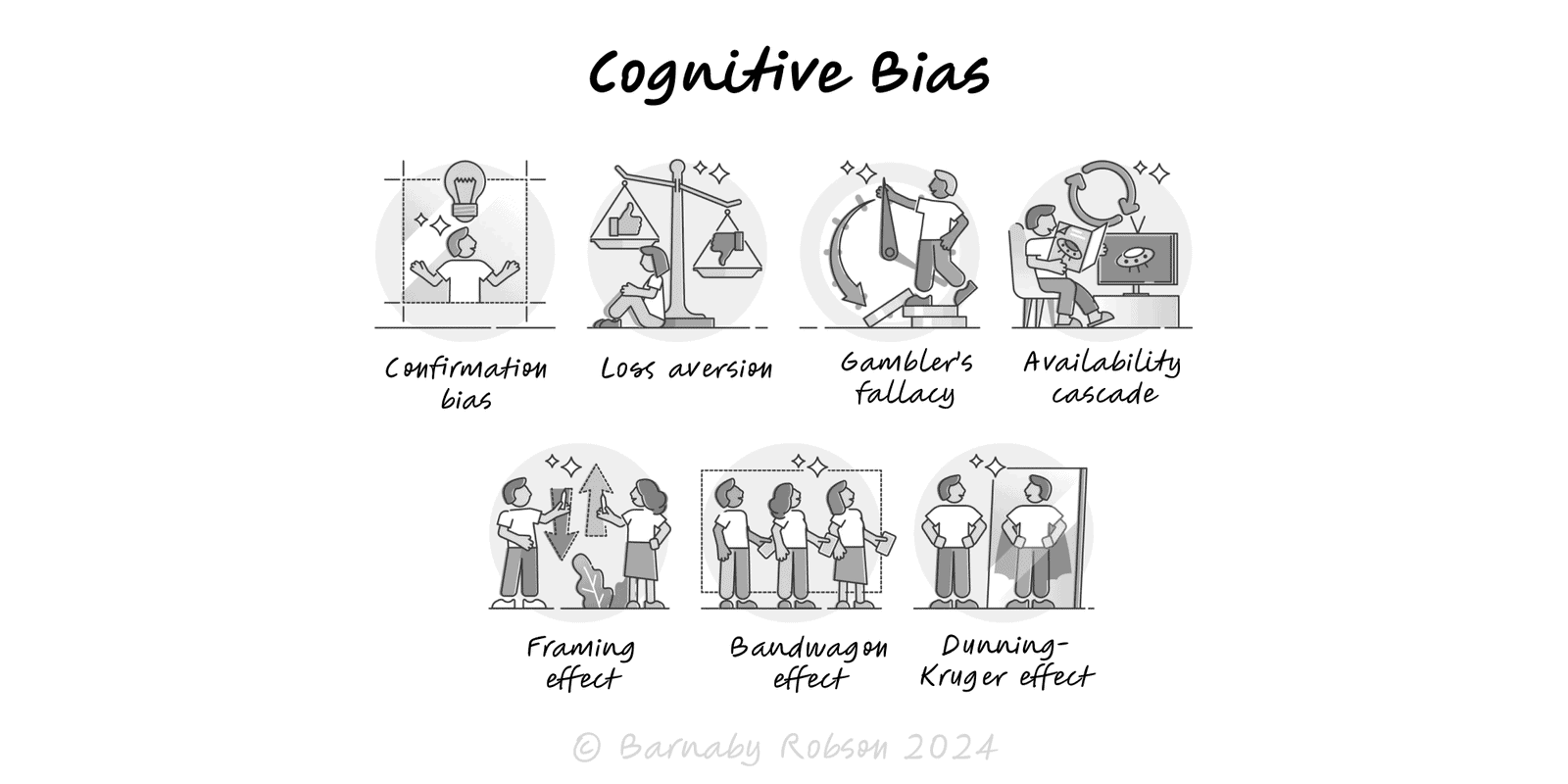
Cognitive Bias
Systematic shortcuts in thinking that create predictable errors. Know the patterns; design decisions and communication to counter their effects.
·
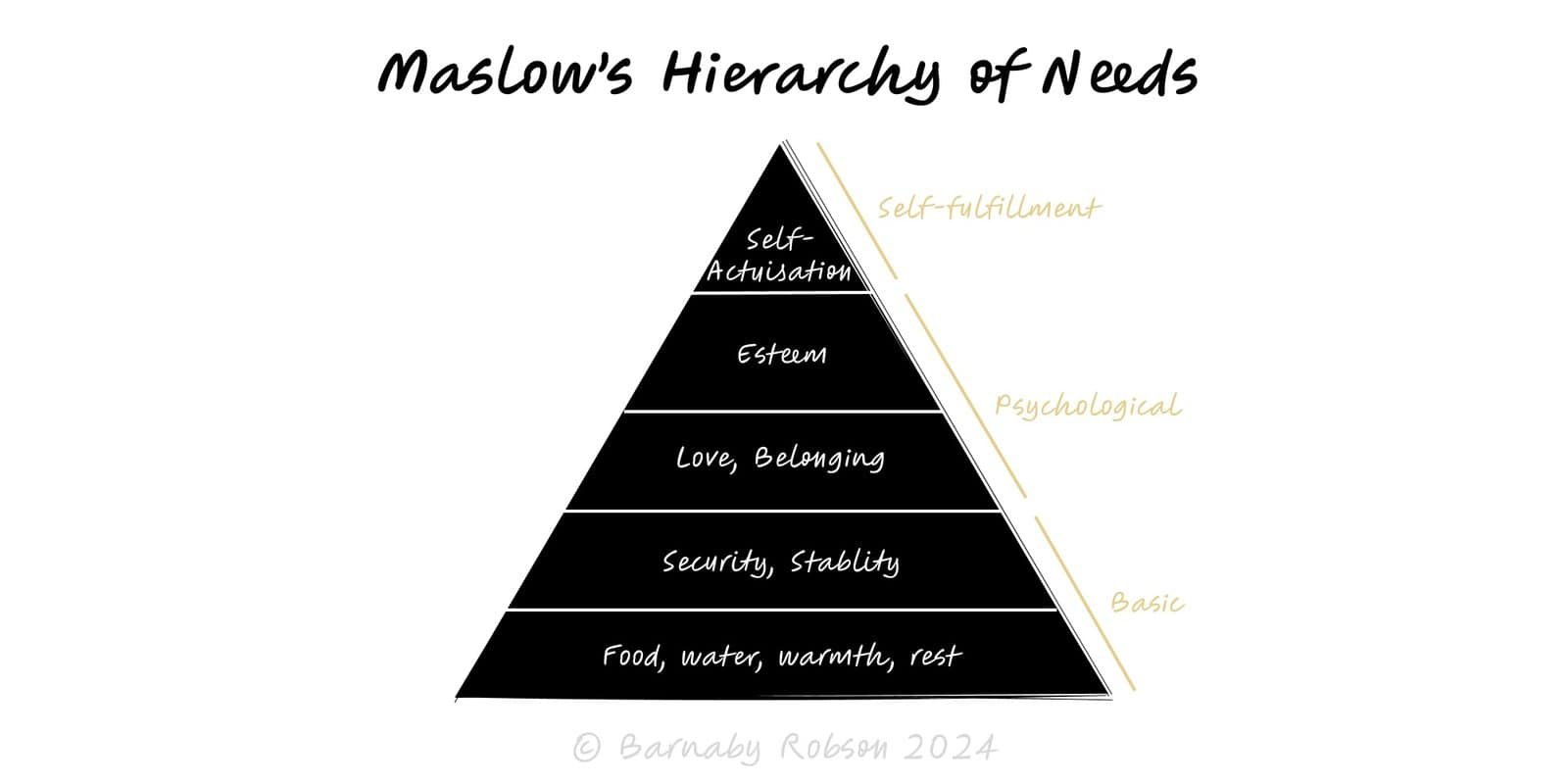
Maslow’s Hierarchy of Needs
A motivation heuristic: people prioritise unmet lower-order needs before higher ones. Use it to diagnose constraints and design incentives.
·