Model: Behaviour & Cognitive Bias
Examines human decision-making quirks, from confirmation bias to overconfidence, with practical insights for clearer thinking.

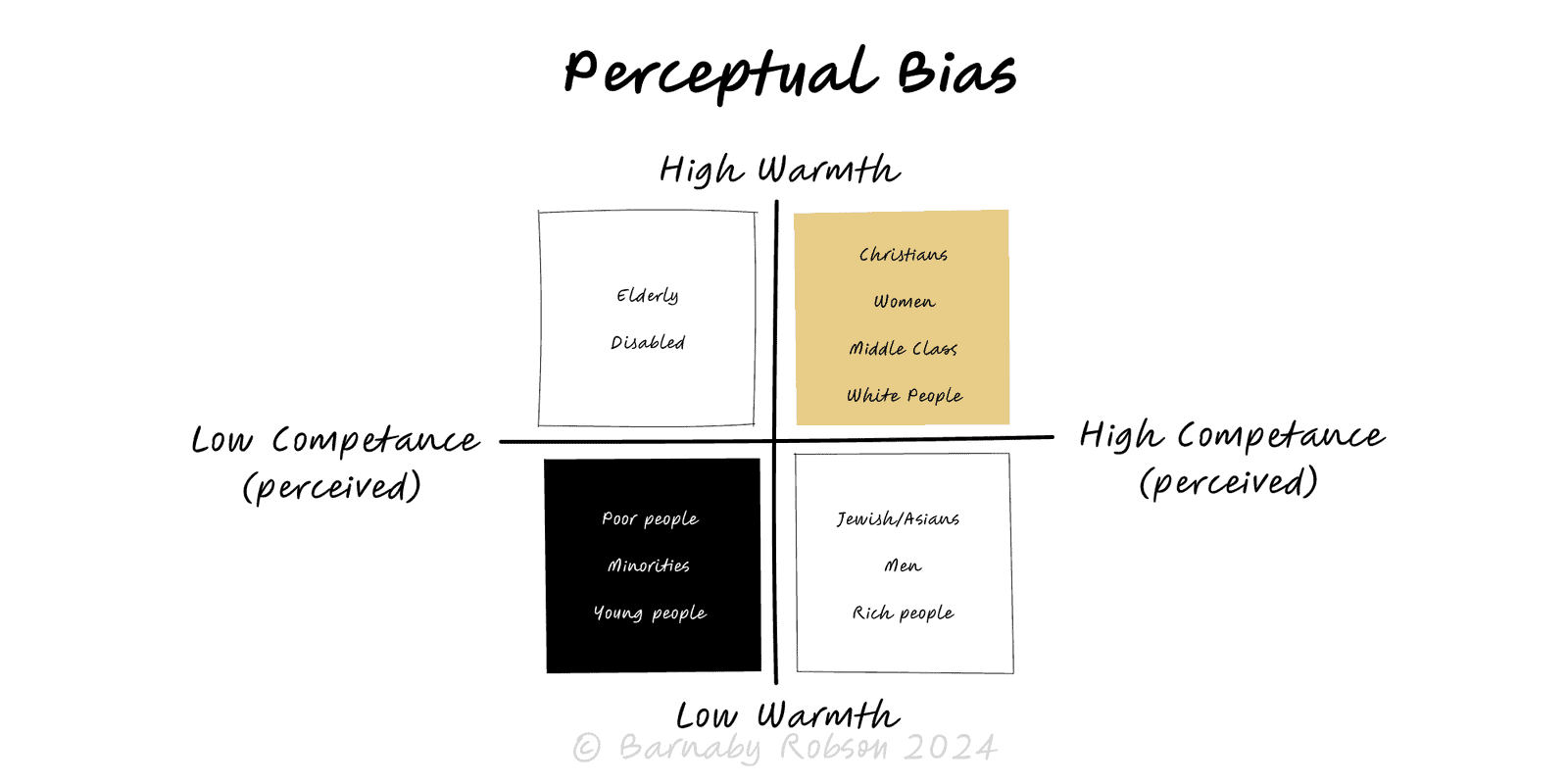
Perceptual Bias
When perception systematically deviates—illusions, context effects—so the same data looks different.
·
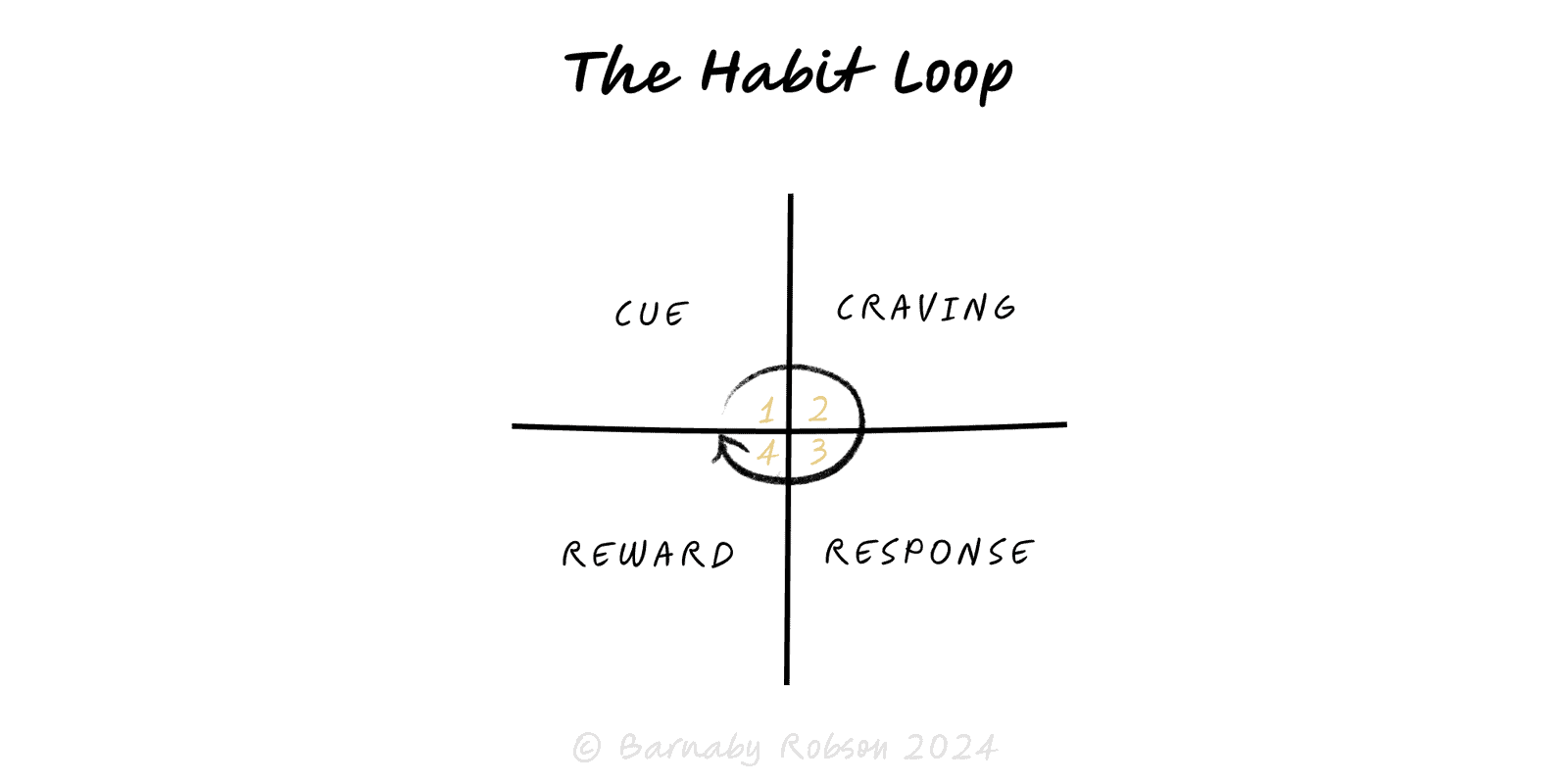
The Habit Loop
Habits run on a loop: cue → craving → response → reward. Make good loops easy and satisfying; break bad ones by keeping the cue and reward but changing the routine.
·
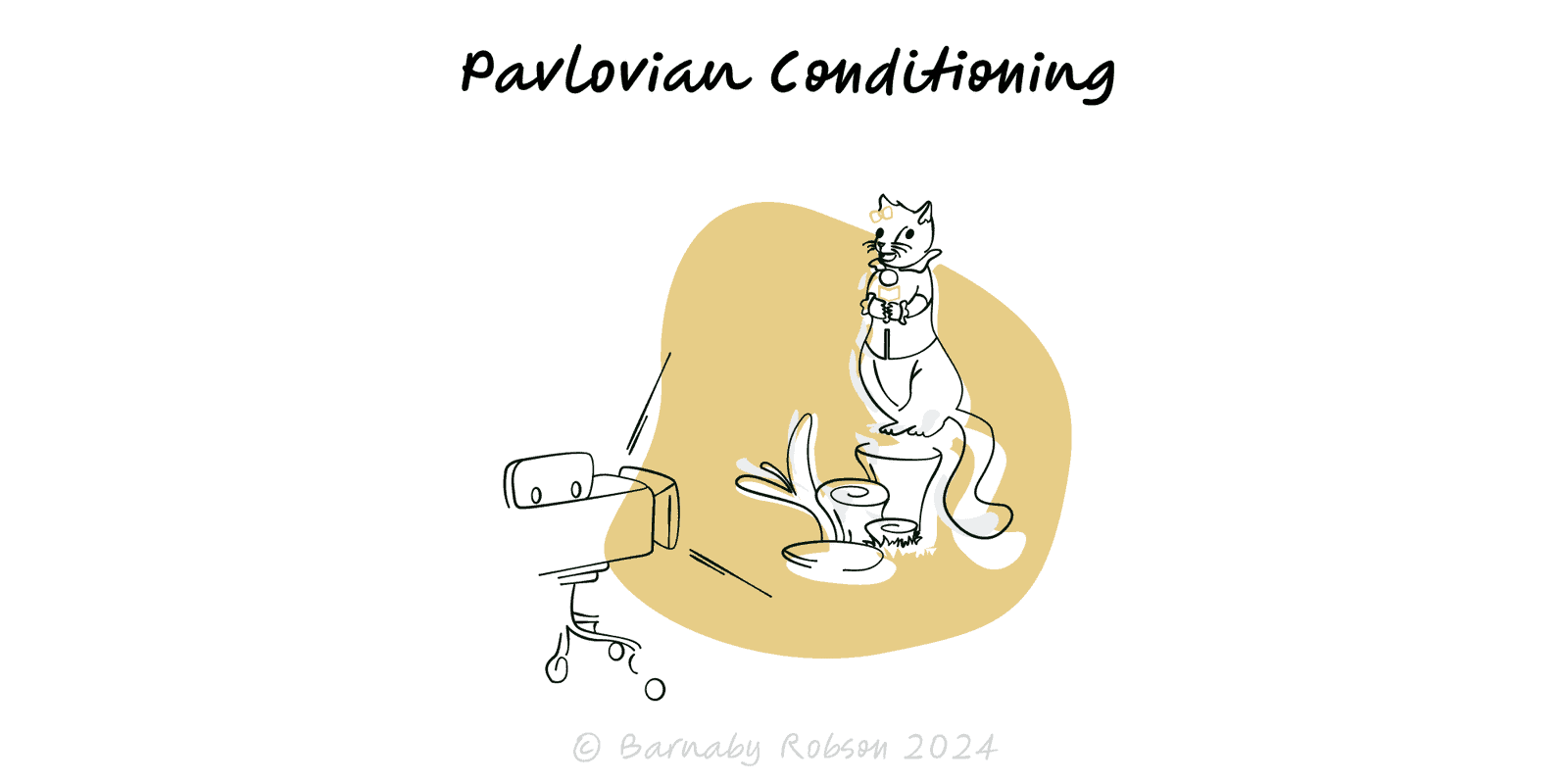
Pavlovian Conditioning
A neutral cue paired with a meaningful event can come to trigger the response on its own.
·
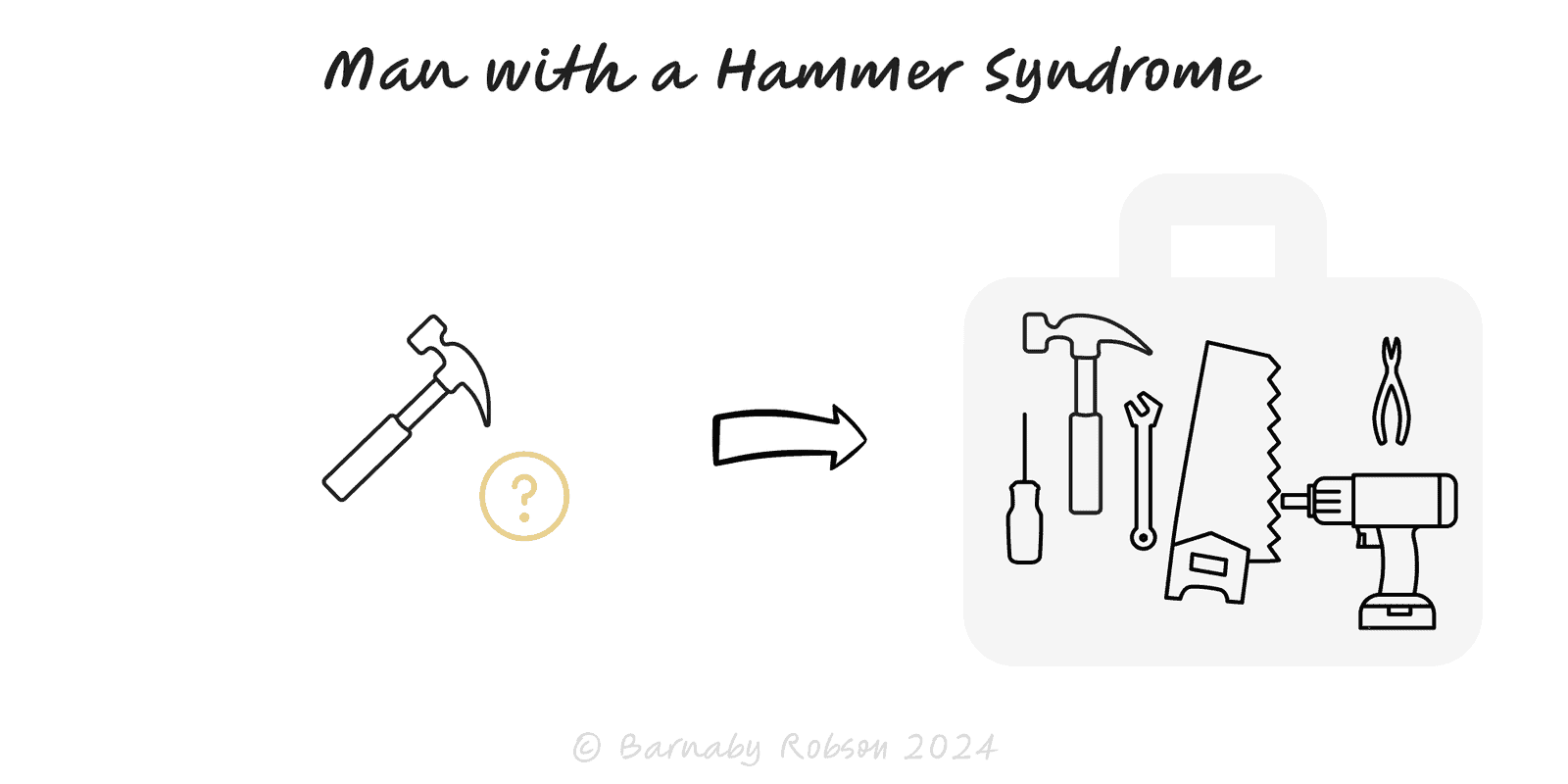
Man with a Hammer Syndrome
Over‑applying a favourite tool (“to a man with a hammer, everything looks like a nail”).
·
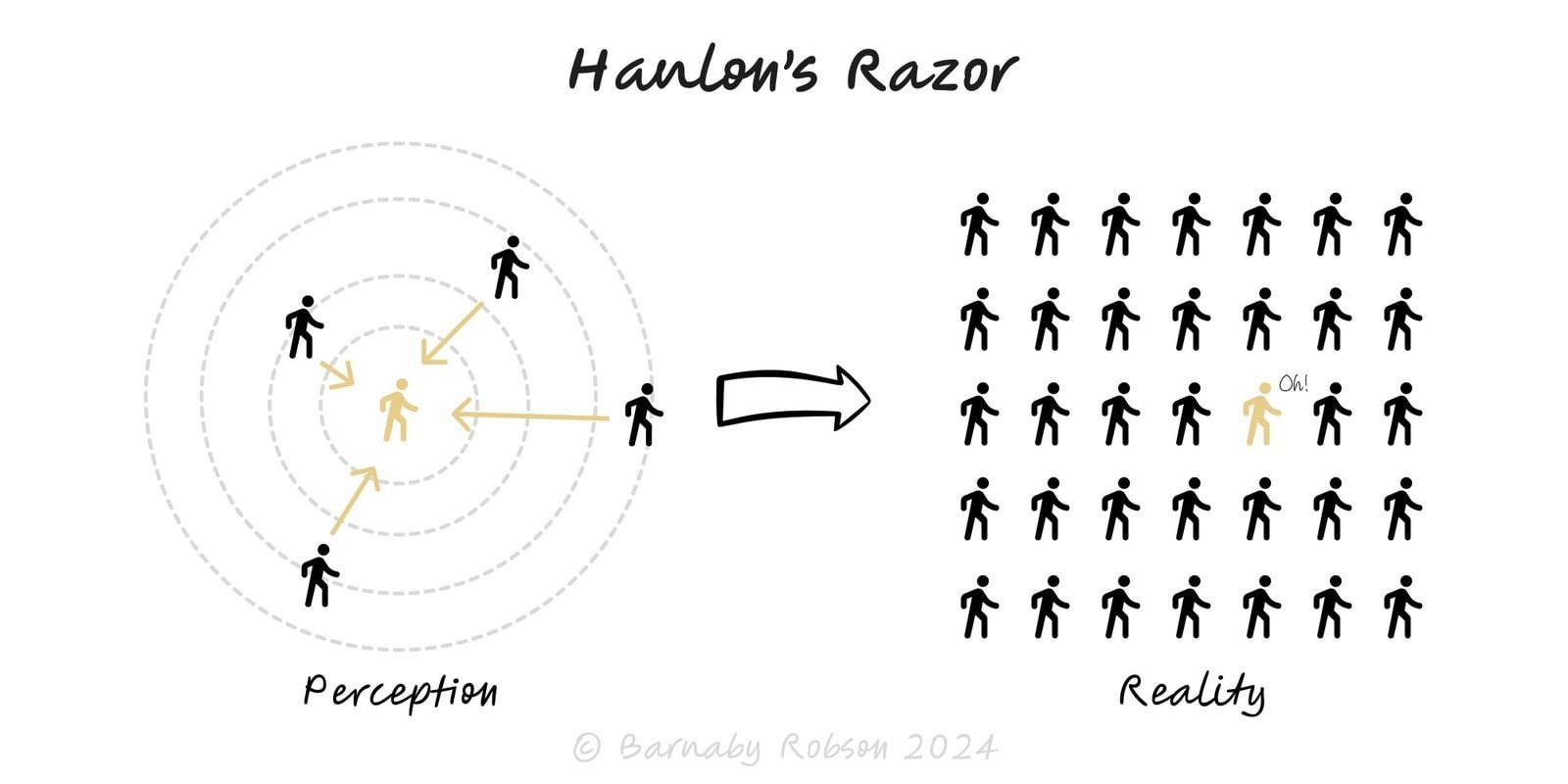
Hanlon’s Razor
Don’t attribute to malice what can be explained by error, ignorance or misaligned incentives.
·
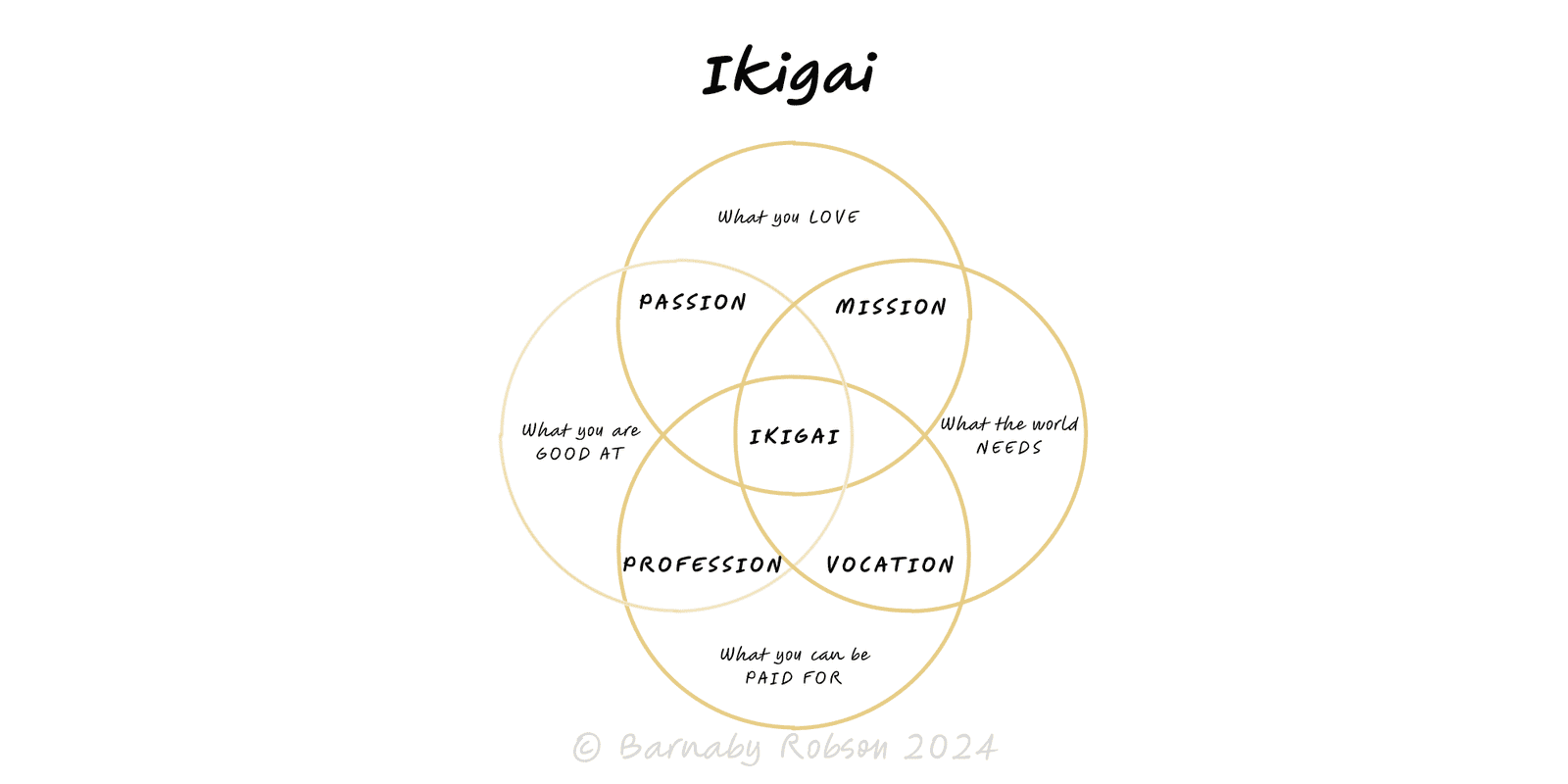
Ikigai
A practical way to align what you love, what you’re good at, what the world needs, and what pays—while honouring small, everyday sources of meaning.
·
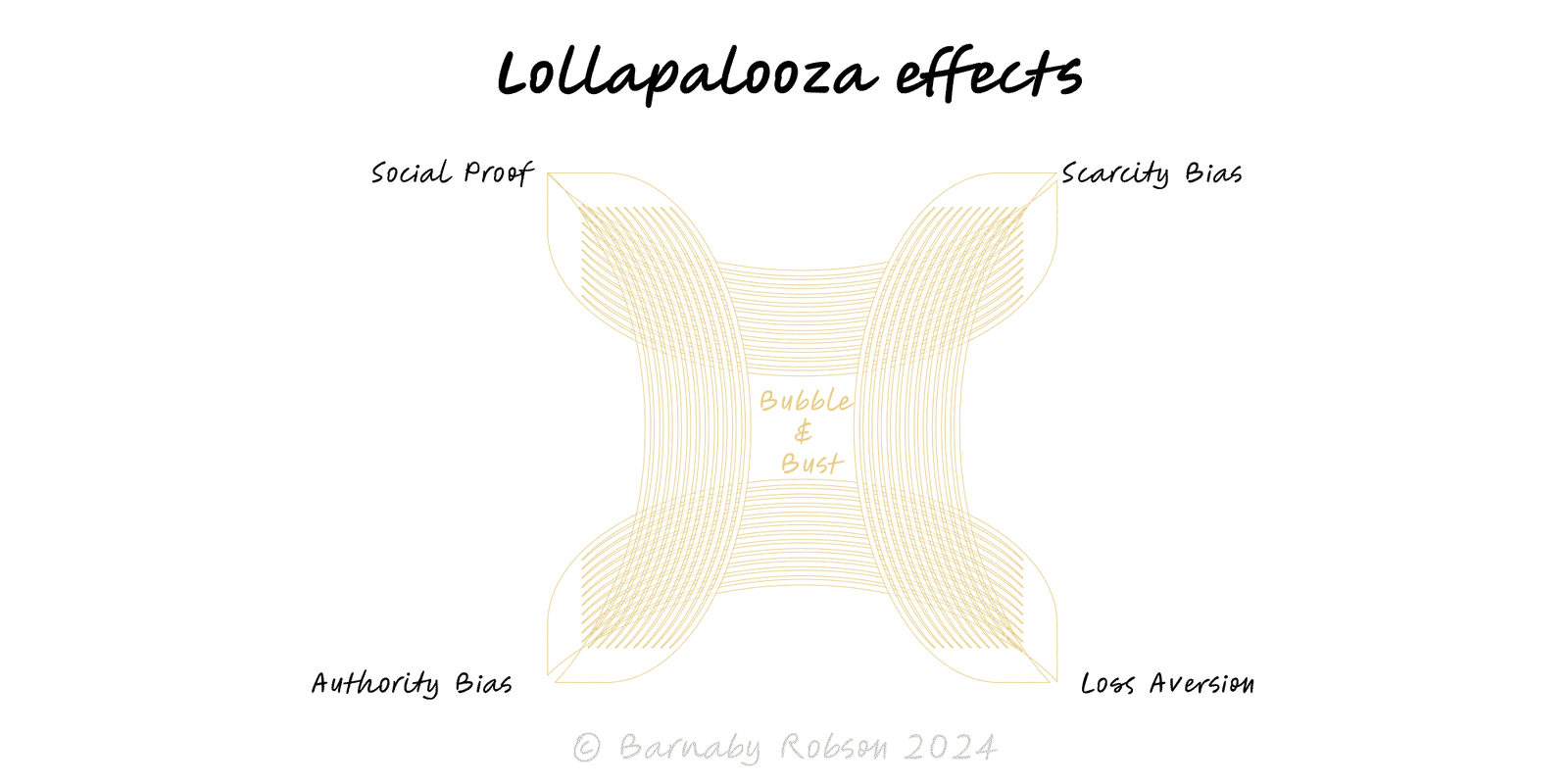
Lollapalooza Effects
Munger’s term for multiple biases/incentives acting together to produce extreme outcomes.
·
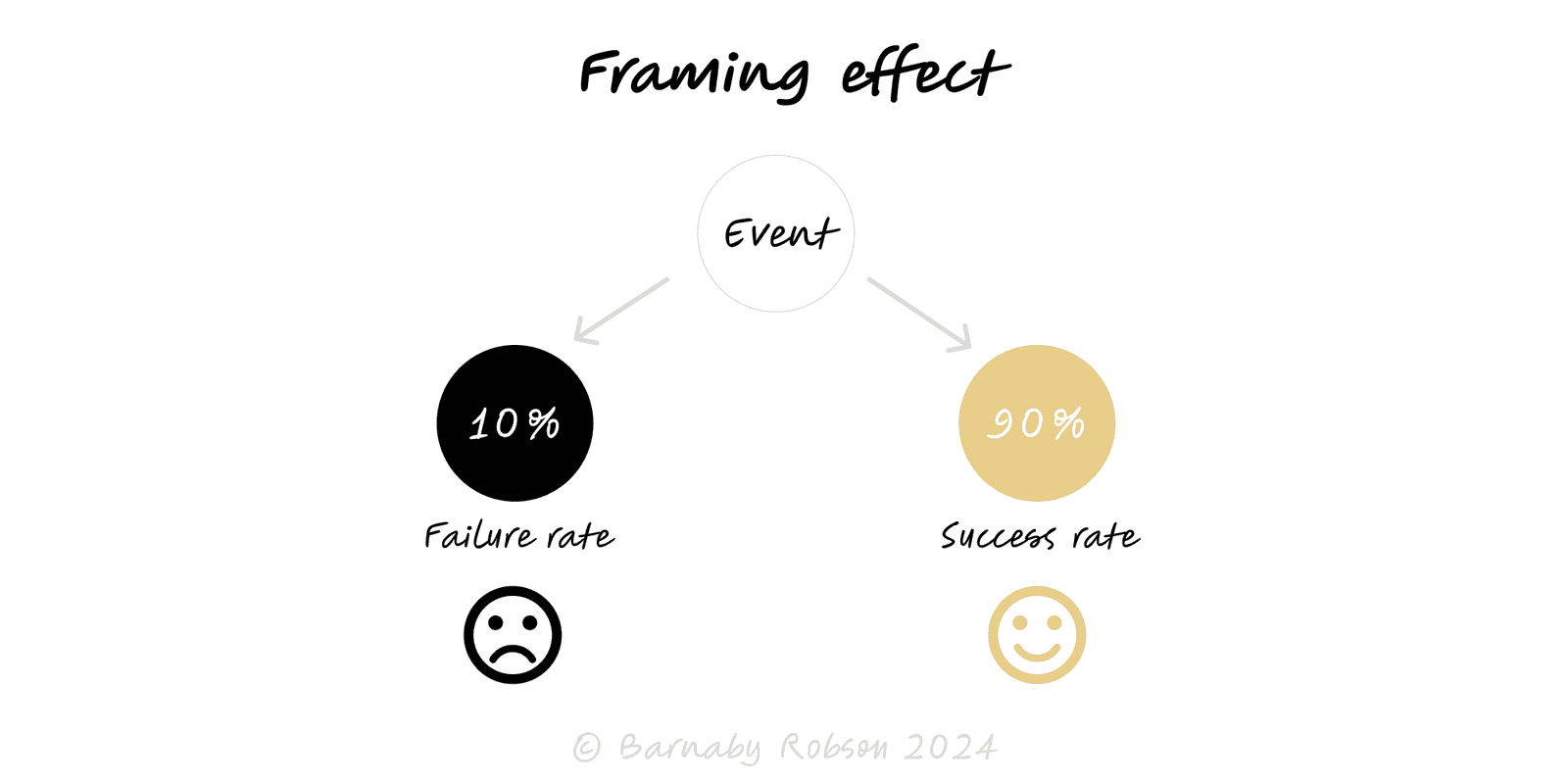
Framing Effect
Choices shift with wording. The same facts, framed differently, lead to different decisions.
·
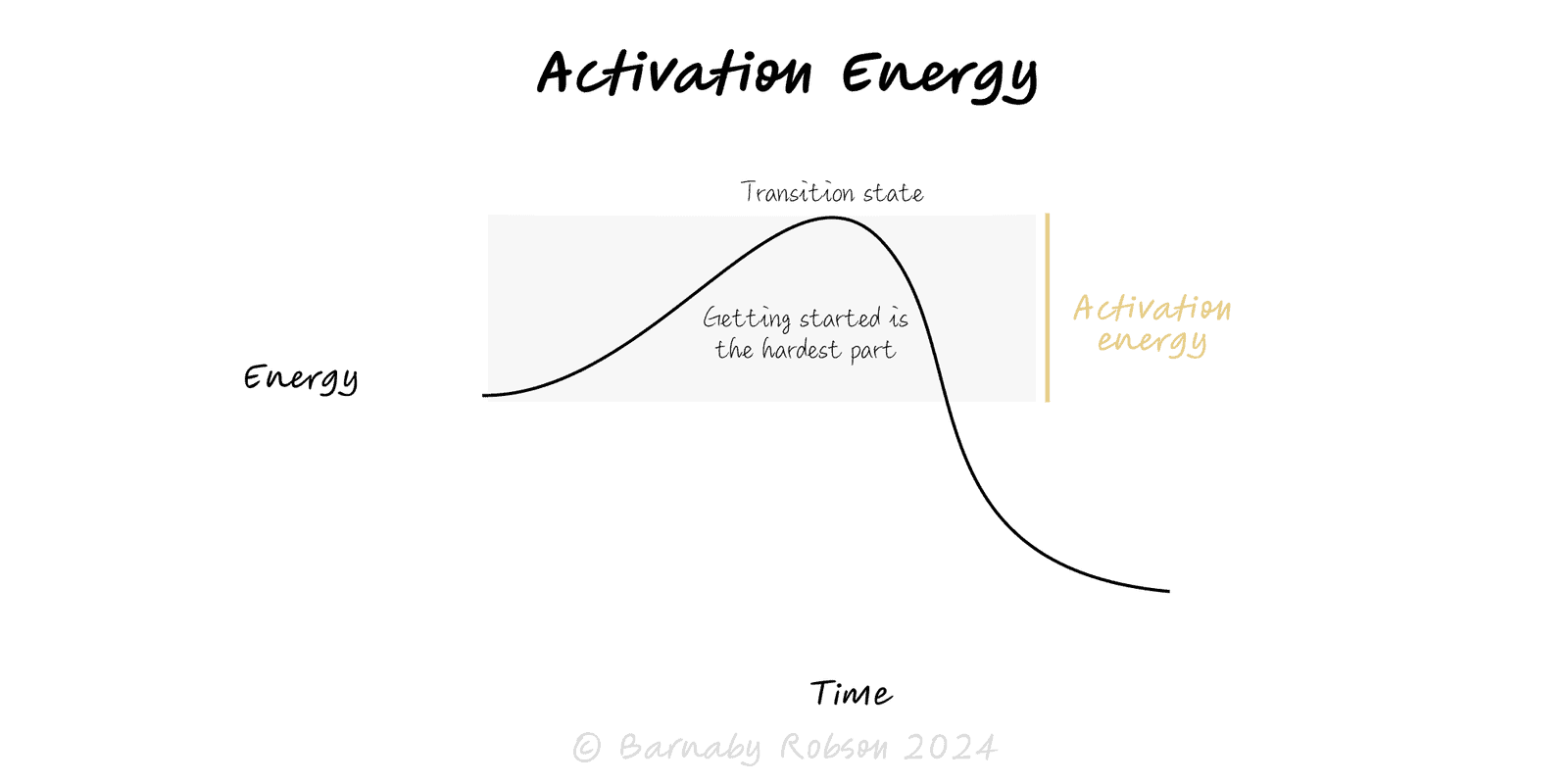
Activation Energy
Borrowed from chemistry and habit design: reduce the upfront effort to make the desired action easier than the default.
·