Archives: Mental Models

The Idea Maze
Before building, map the space: the key forks, dead ends and dependencies—so you can choose a promising path and run smarter tests.
·
The Map is not the Territory
All models are simplifications. Don’t confuse the representation (map, metric, plan, narrative) with the thing itself—and update the map when facts change.
·
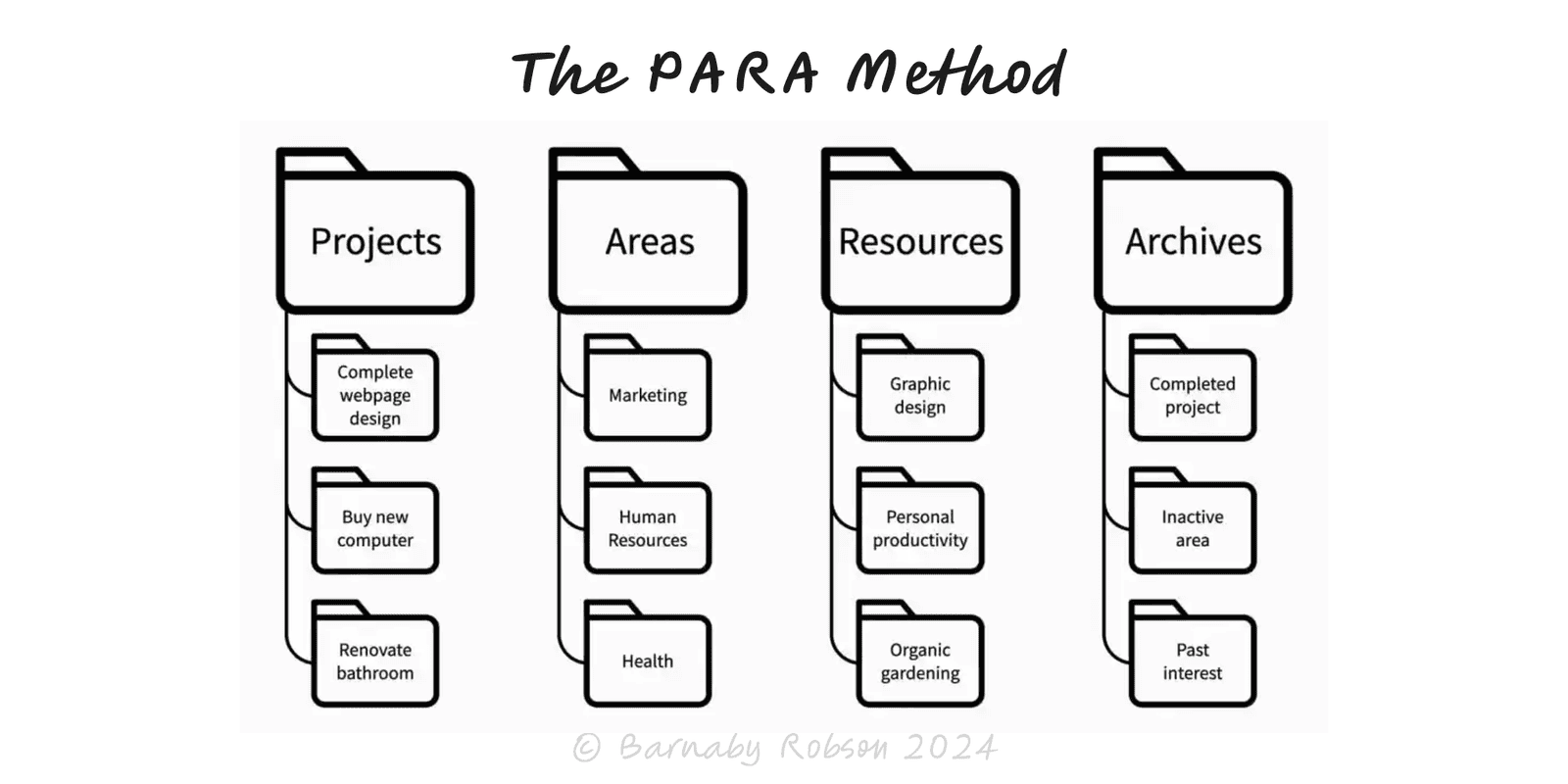
The PARA Method
Organise everything into four buckets—Projects, Areas, Resources, Archives—so what you need is one click from action.
·
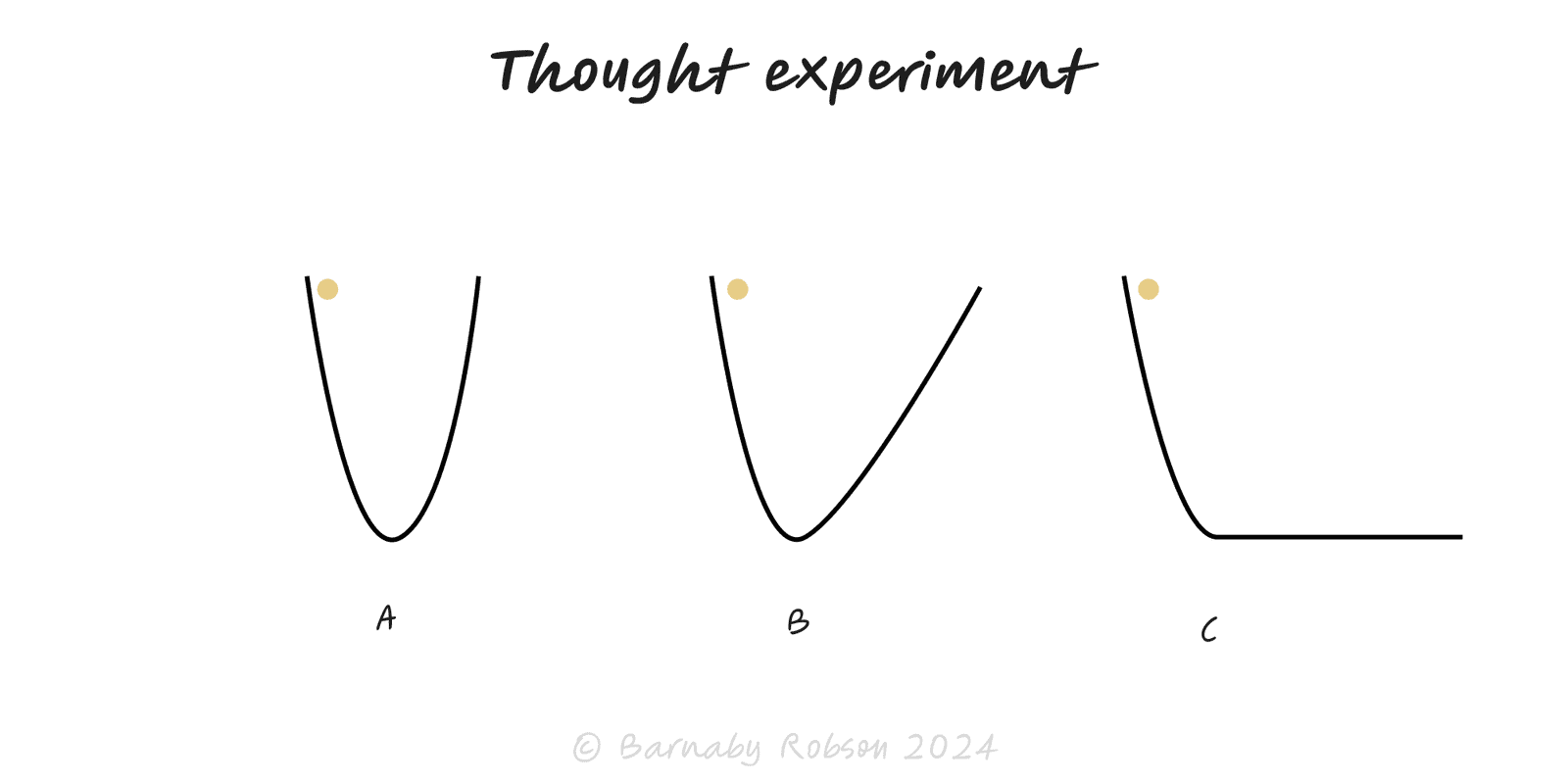
Thought Experiment
Use a carefully imagined scenario to test an idea’s logic, expose assumptions, and predict consequences—before you spend time or money.
·
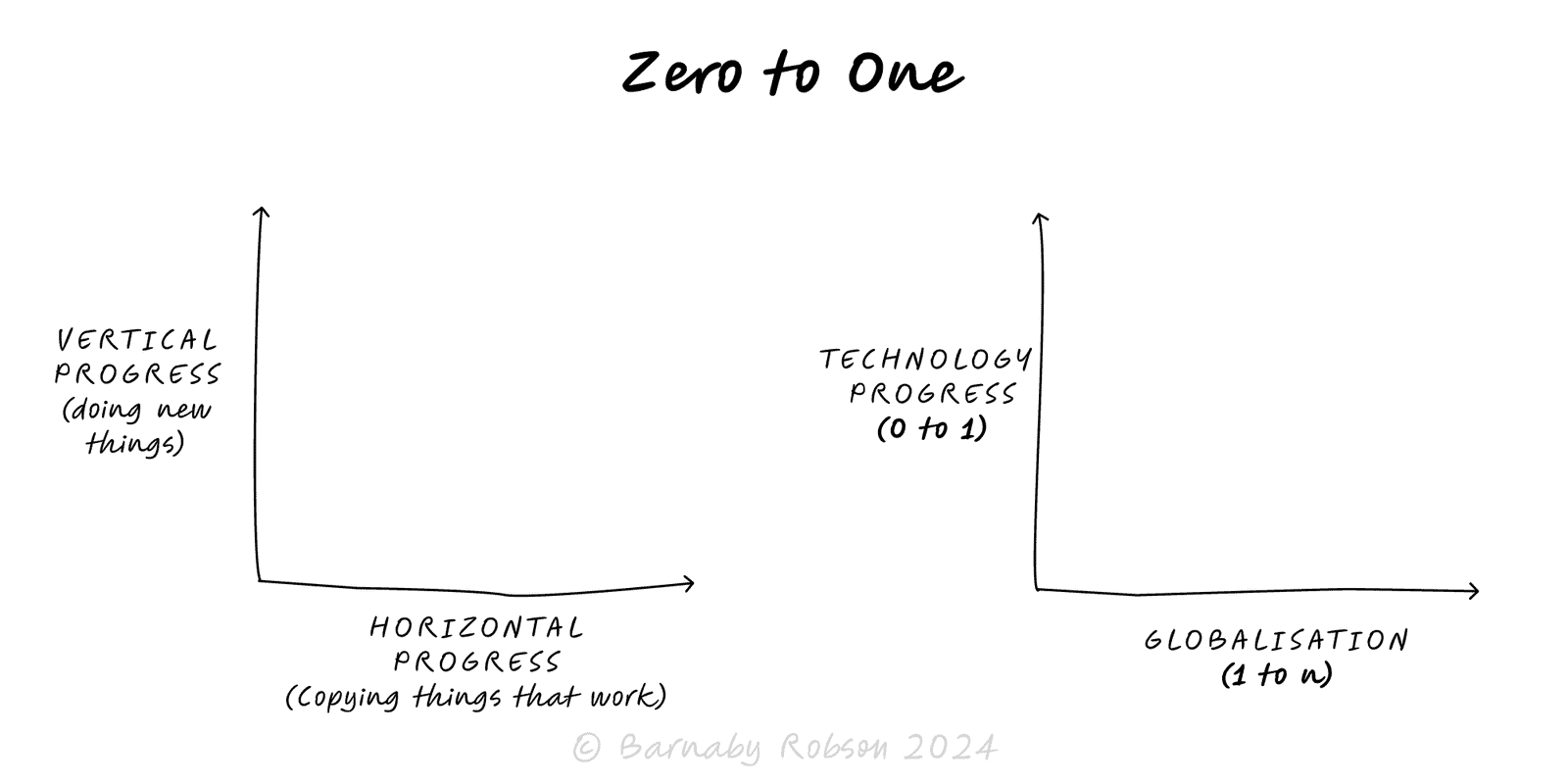
Zero to One
Aim for vertical progress—create something truly new (0 → 1), not just more of the same (1 → n). Win by building a monopoly on a focused niche and compounding from there.
·
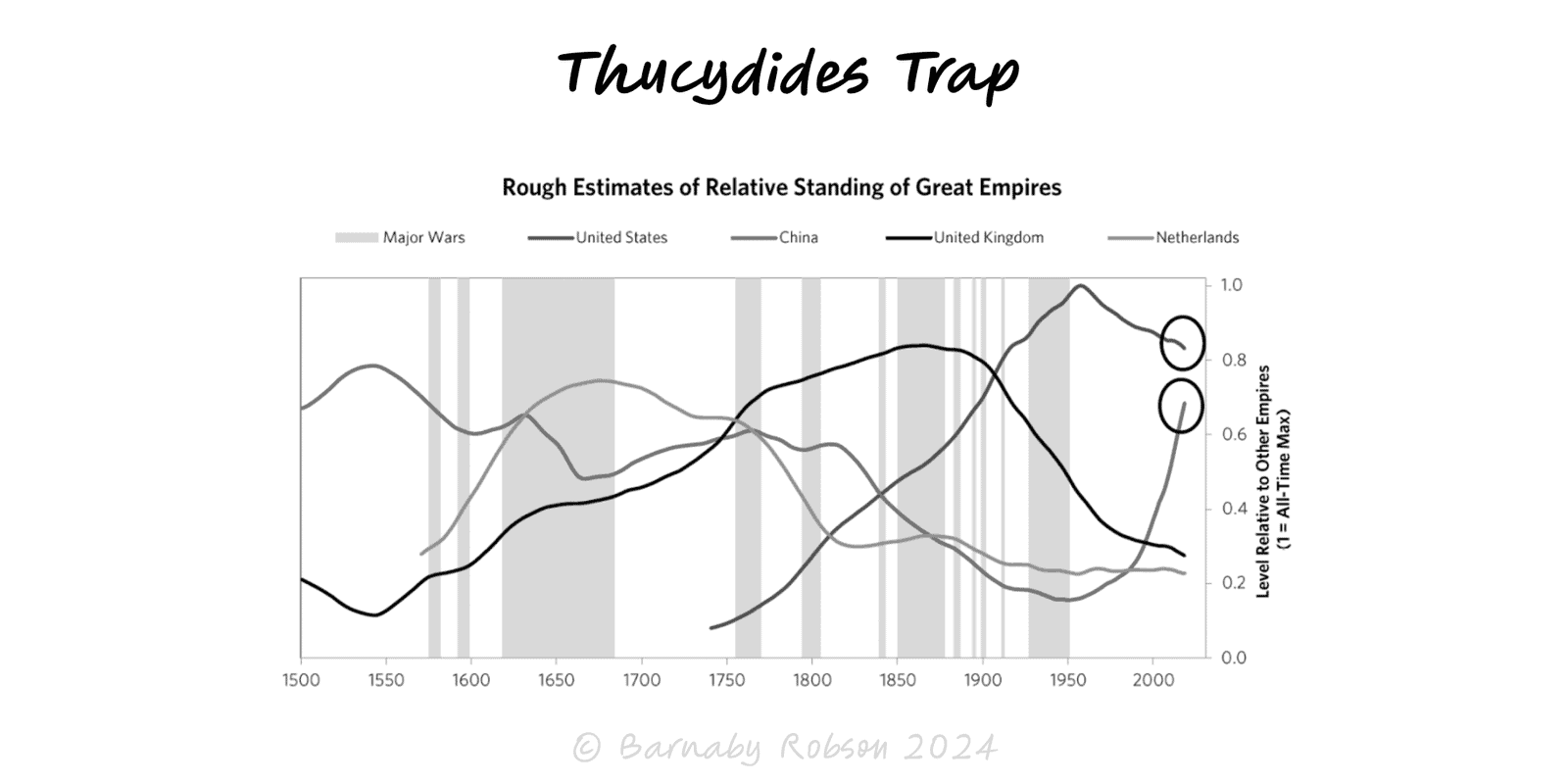
Thucydides Trap
When a rising power threatens to displace a ruling power, fear and miscalculation can tip competition into conflict unless incentives and guardrails are redesigned.
·
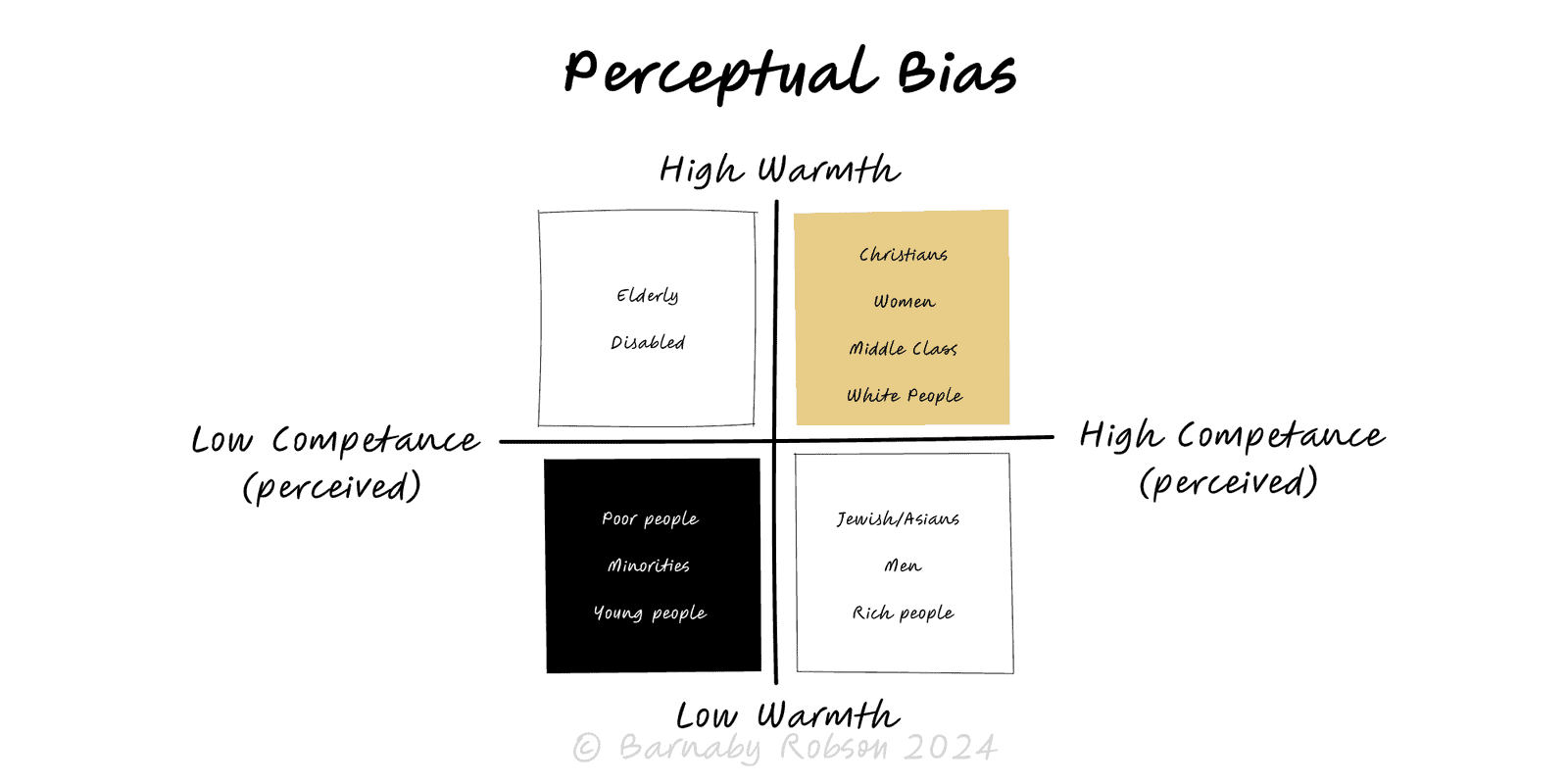
Perceptual Bias
When perception systematically deviates—illusions, context effects—so the same data looks different.
·
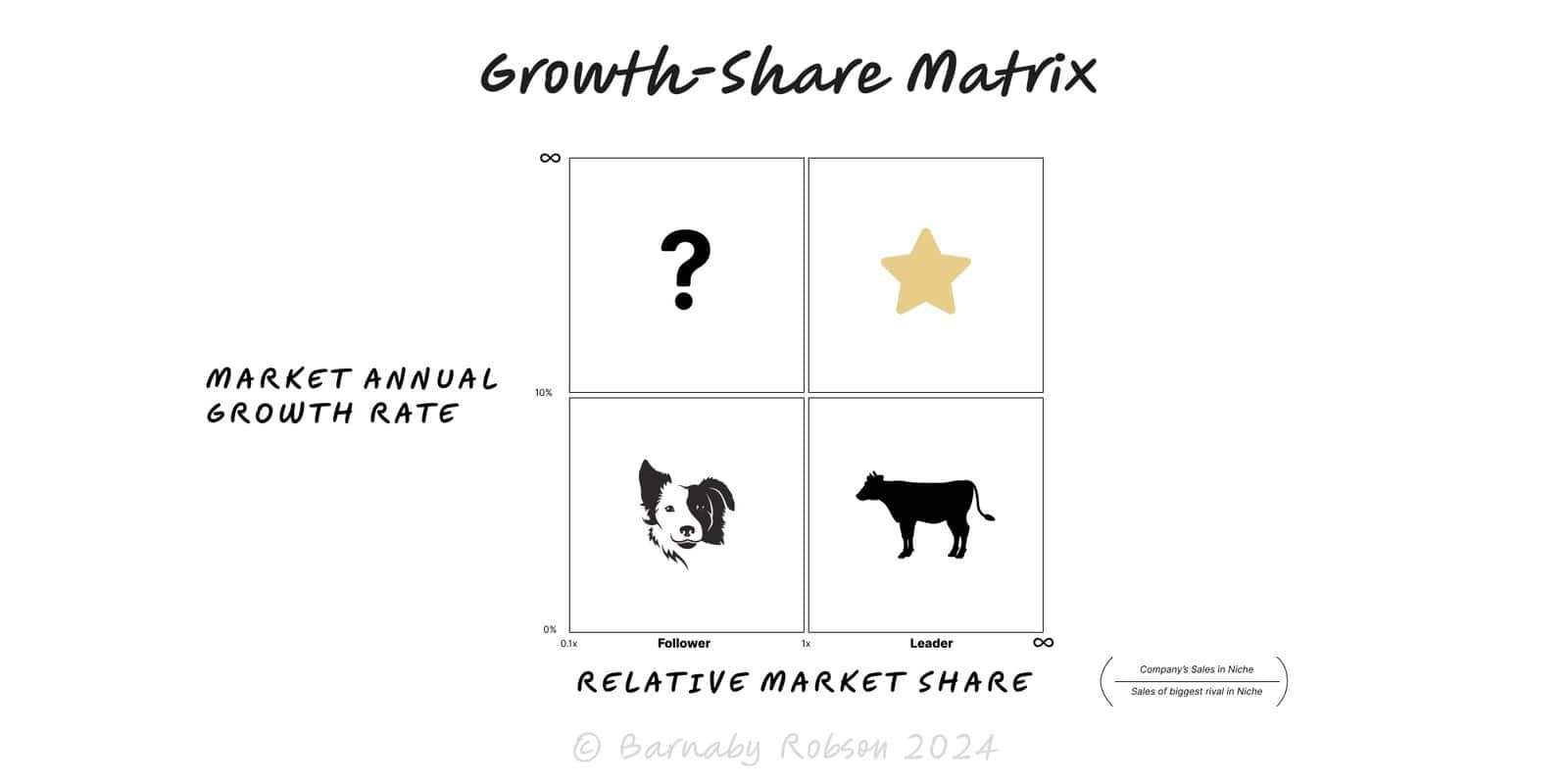
Star Principle
Richard Koch’s rule to back category leaders in high‑growth niches; leadership + growth compounding.
·
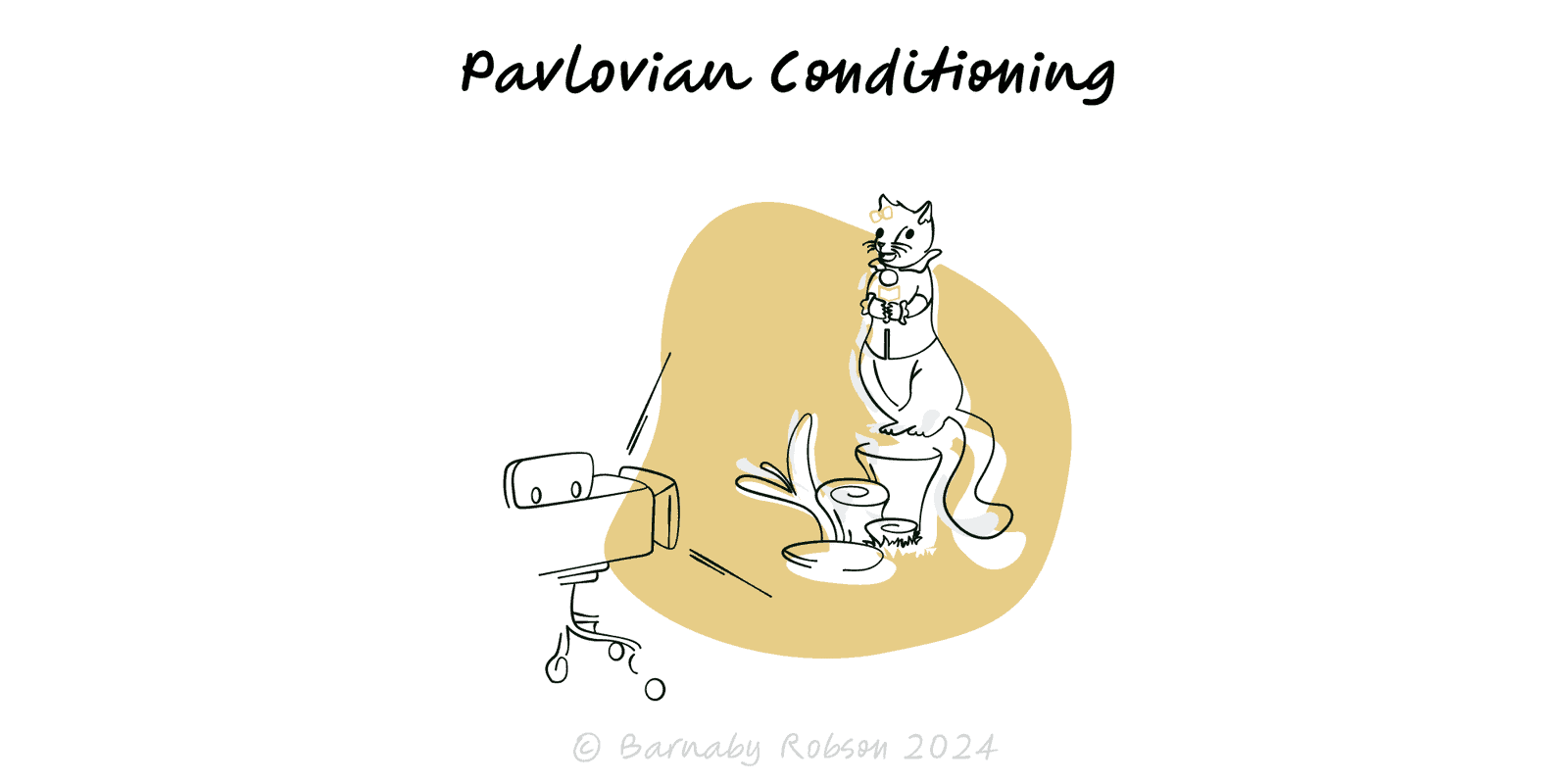
Pavlovian Conditioning
A neutral cue paired with a meaningful event can come to trigger the response on its own.
·
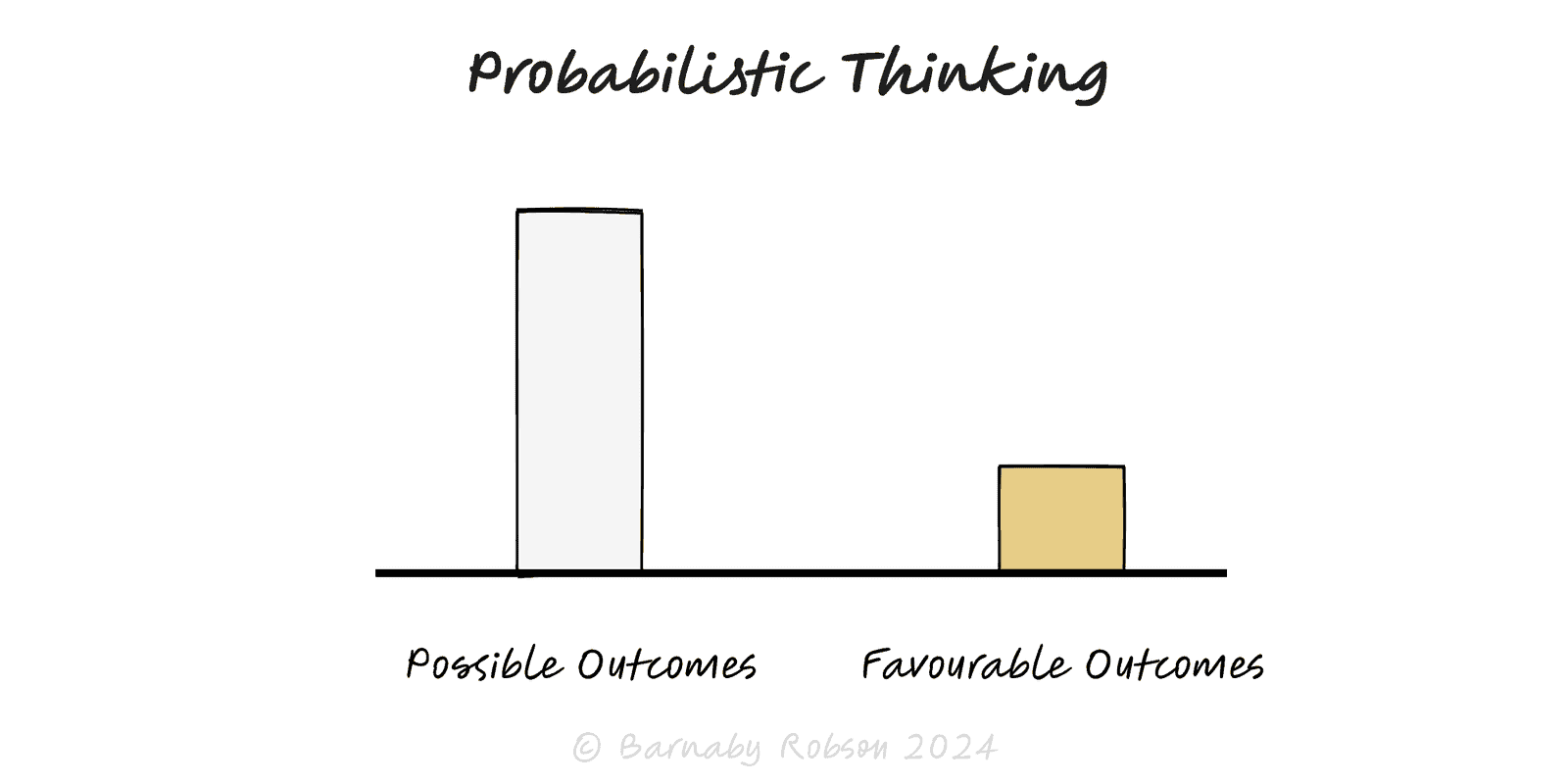
Probabilistic Thinking
Reason in degrees of belief, not certainties: use base rates, ranges, and expected value—then update as evidence arrives.
·
Redundancy
Add independent alternatives so one failure doesn’t stop the outcome; test failover so the backup isn’t imaginary.
·