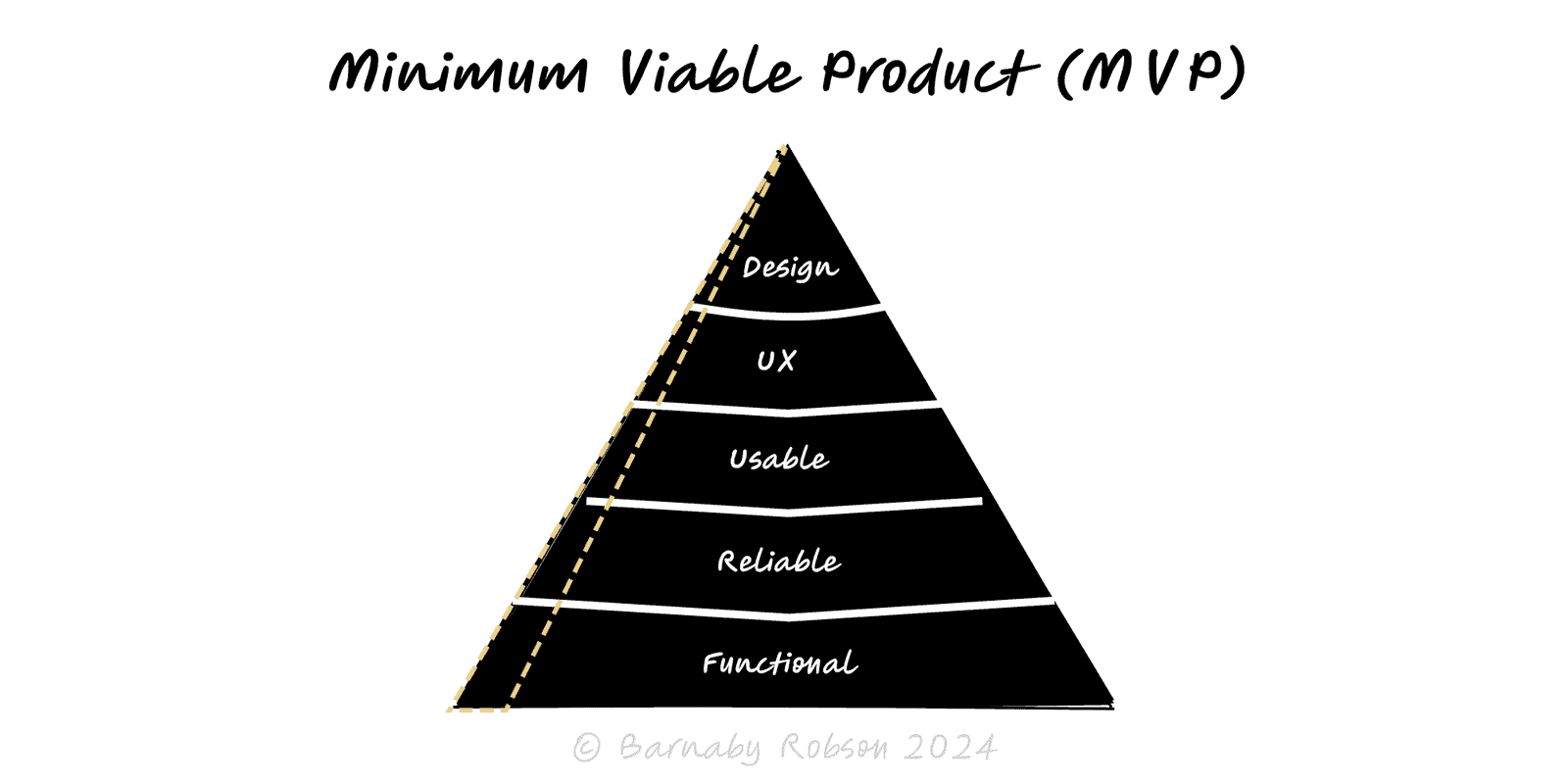
Minimum Viable Product

Build the smallest thing that tests the riskiest assumption with real users, measure what matters, and decide to pivot, persist, or kill.

Author

Eric Ries (Lean Startup); antecedents in Steve Blank’s customer development


An MVP is not a scrappy V1; it’s an experiment designed to maximise learning per unit time/cash. You identify the assumptions that could break the idea (value, growth, feasibility, viability), pick the fastest ethical test, and read clear metrics to decide next steps. Forms range from simple smoke tests to concierge or wizard-of-oz trials before writing full software.

How it works


Riskiest Assumption (RAT) – value, demand, acquisition, monetisation, feasibility, or legality—test the one that can kill you first.

MVP formats (choose to fit the risk)

  • Landing page / fake door (register interest, pre-orders).
  • Concierge (deliver manually to a few customers).
  • Wizard-of-oz (front-end real, back-end manual).
  • Prototype/video (show, then measure intent).
  • Single-feature slice (only the core job).
  • Marketplace bootstrap (hand-curated supply/demand).

Build–Measure–Learn loop – specify a prediction, a metric, and a threshold before you build.

Decision rules – pass → scale/iterate; borderline → refine and re-test; fail → pivot or stop.

Use-cases


New venture or product line – validate demand and WTP before full build.

Major features/price changes – test impact with a gated cohort.

Hardware/services – “pretotype” with videos, deposits, or manual fulfilment.

Marketplaces – prove both-sided pull with manual matching.

Pitfalls & Cautions


MVP ≠ low-quality V1 – shipping half-baked core experiences burns trust; test the claim, not polish, unless polish is the claim.

No thresholds – without pre-set pass/fail lines you’ll rationalise any result.

Wrong audience – testing with non-buyers gives false negatives/positives.

Vanity metrics – pageviews and likes; prefer conversion, retention, WTP, unit economics.

Ethics & brand risk – fake doors: be transparent, capture interest, and follow up; don’t charge without fulfilment.

Scaling too soon – “success” on tiny samples can vanish; re-test on a larger cohort first.

Recent Mental Models

Click below to learn other mental models

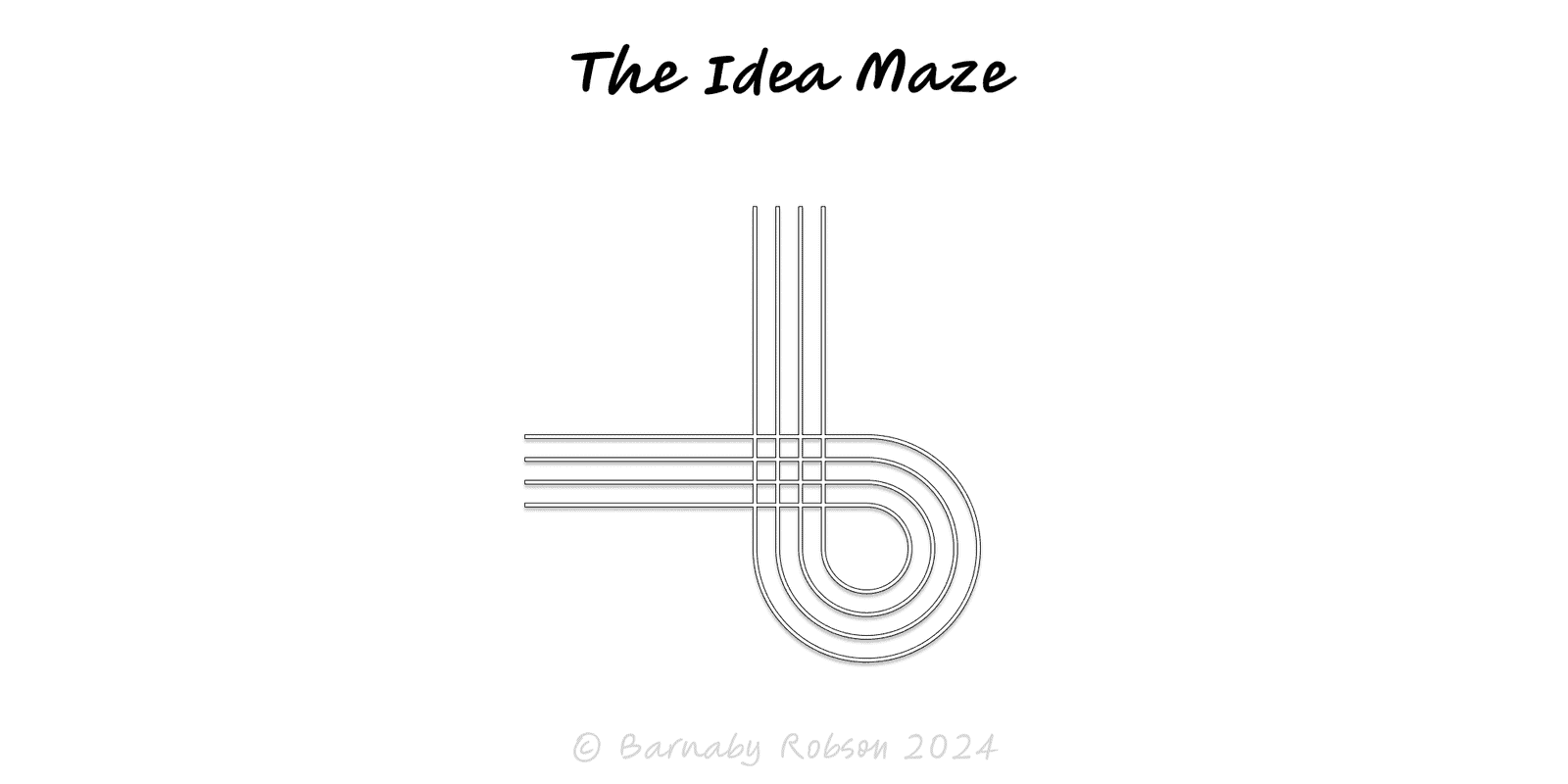
  • The Idea Maze

    The Idea Maze

    Before building, map the space: the key forks, dead ends and dependencies—so you can choose a promising path and run smarter tests.

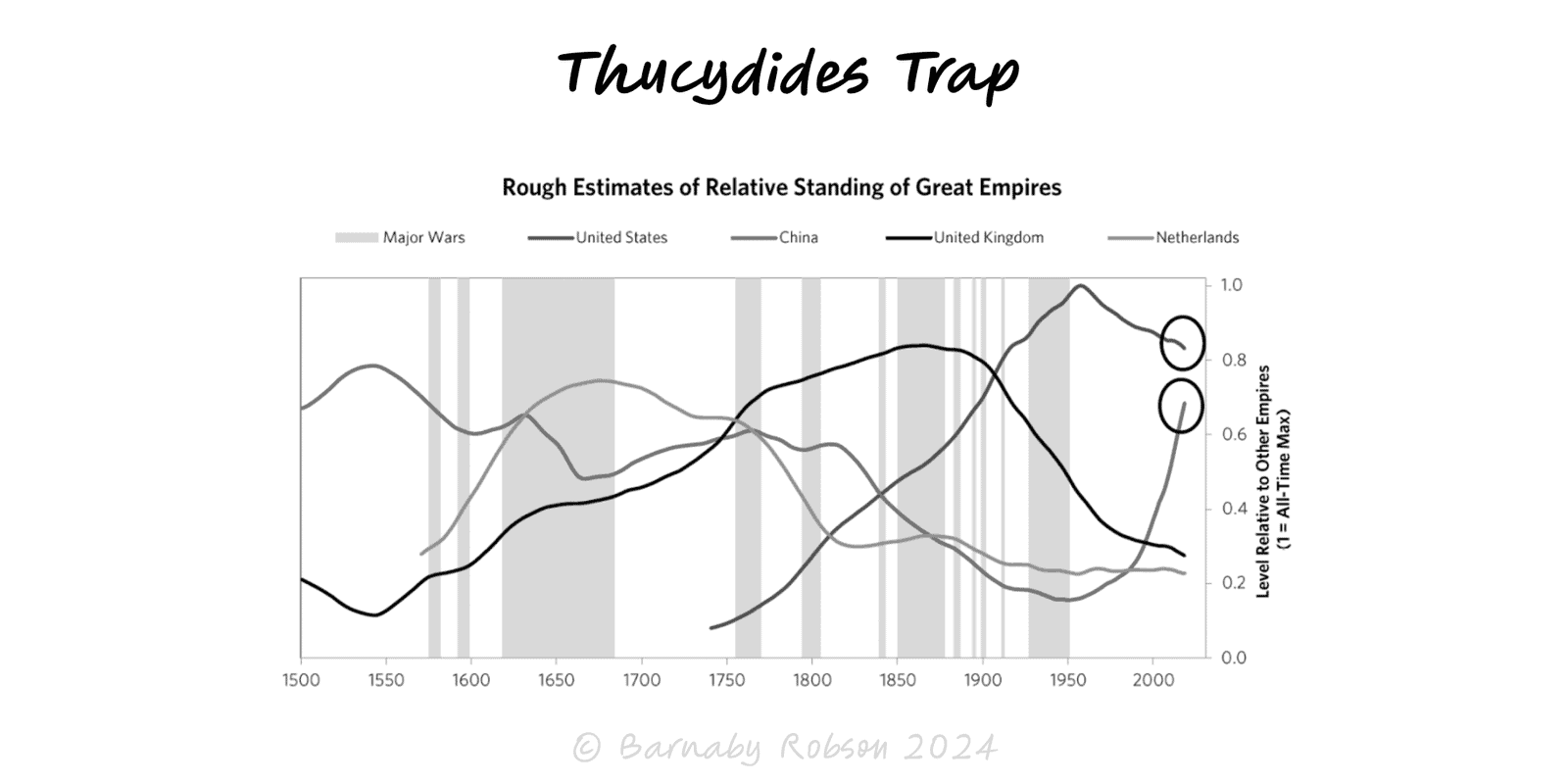
  • Thucydides Trap

    Thucydides Trap

    When a rising power threatens to displace a ruling power, fear and miscalculation can tip competition into conflict unless incentives and guardrails are redesigned.

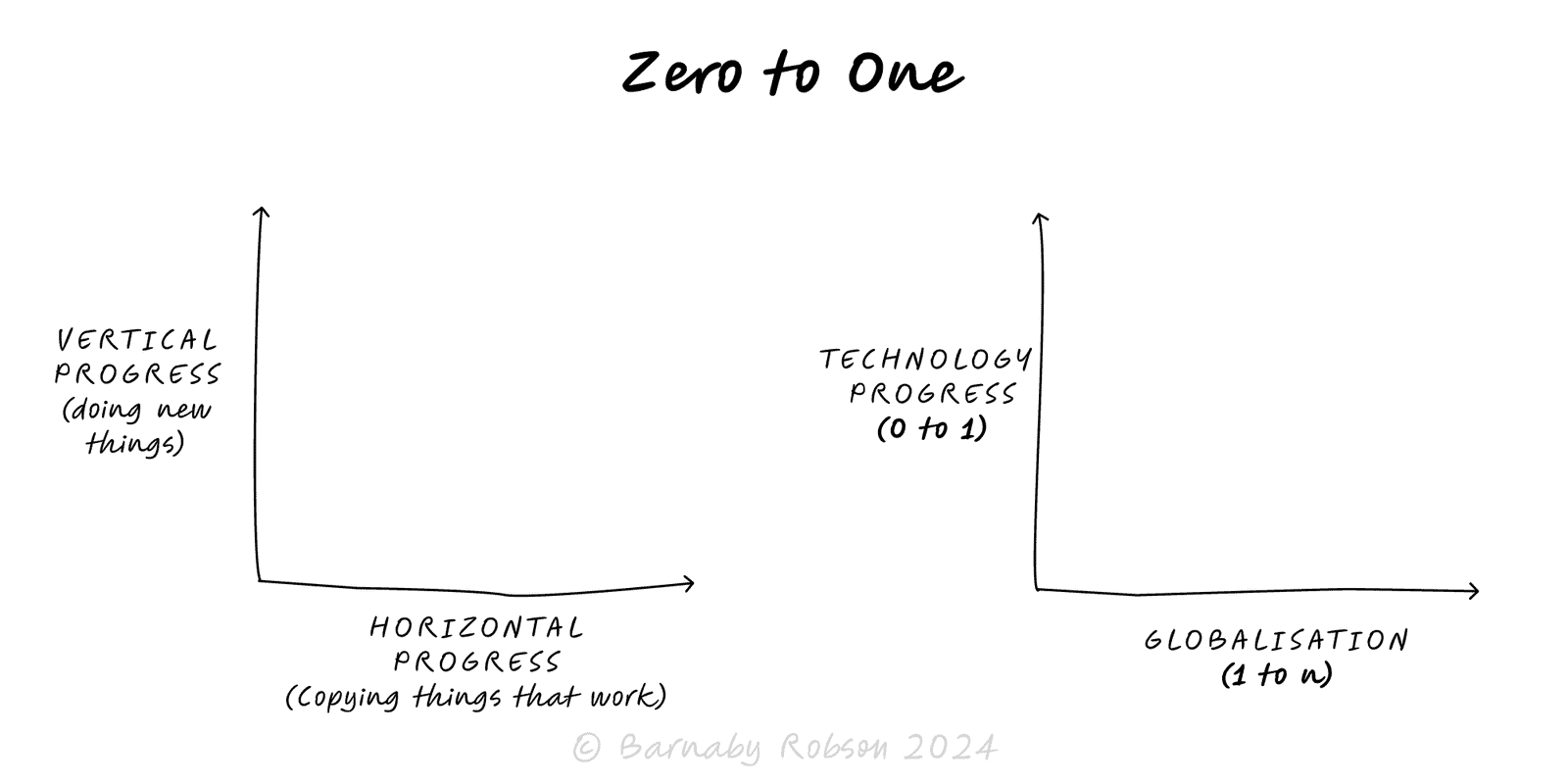
  • Zero to One

    Zero to One

    Aim for vertical progress—create something truly new (0 → 1), not just more of the same (1 → n). Win by building a monopoly on a focused niche and compounding from there.