Inversion
Think backwards: define failure and remove its causes; ask the inverse question to see blind spots.
Author
Carl Gustav Jacobi (attributed: “Invert, always invert”); popularised by Charlie Munger
Model type
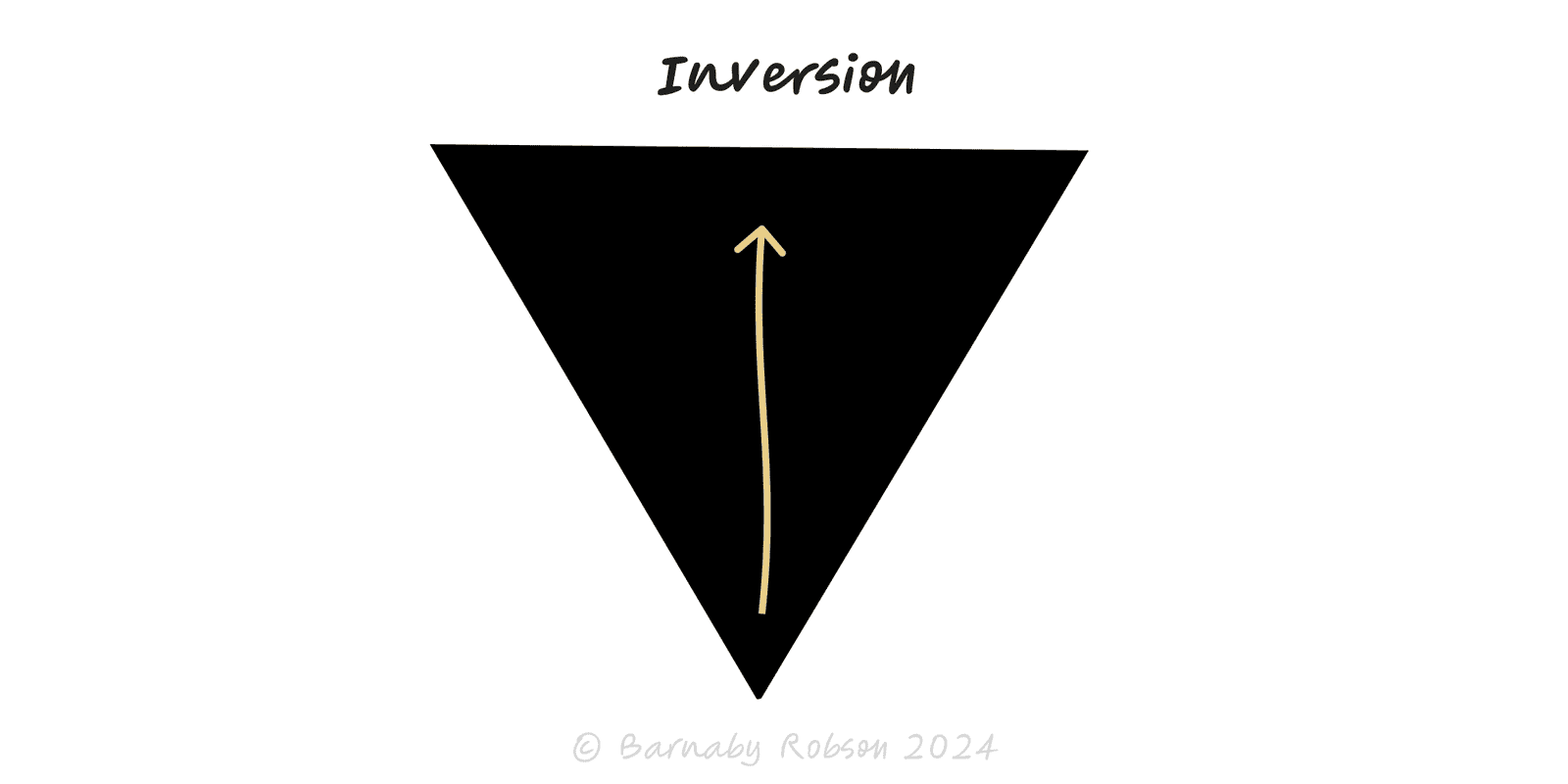

Think backwards: define failure and remove its causes; ask the inverse question to see blind spots.
Carl Gustav Jacobi (attributed: “Invert, always invert”); popularised by Charlie Munger
Inversion flips a problem to reveal what you’re missing. Instead of only asking “How do we succeed?”, also ask “How could we fail?” and “What must be avoided?” In maths it shows up as the contrapositive and proof by contradiction; in practice it becomes premortems, stop-doing lists and subtractive design. By removing error and fragility first, you raise the base rate for success.
Outcome ↔ anti-outcome – write the goal and its mirror (e.g., “retain customers” ↔ “lose customers”).
Causes ↔ failure modes – list what would guarantee the anti-outcome; these are your risk levers.
Contrapositive thinking – if “If X then Y”, also test “If not-Y then not-X”.
Complements in probability – sometimes it’s easier to compute P(success) = 1 − P(failure).
Subtractive design – remove steps, features, options and policies that create failure or friction.
Operational guardrails – convert the failure list into rules, buffers and monitors.
Strategy – define what would kill the business; set hard “no-go” lines.
Risk & reliability – incident premortems, “kill criteria”, circuit breakers.
Product & UX – cut features that confuse; reduce steps; prevent foot-guns.
Growth – list ways to attract the wrong users; design to filter them out.
Hiring & teams – “Who should we not hire?”; clarify anti-patterns.
Research & analytics – look for evidence that would disconfirm your favourite hypothesis.
Negotiation – identify deal-breakers first; shape terms to avoid them.
State the goal plainly – “Increase retained revenue by 15 percent in 12 months.”
Write the inverse – “Ways we could guarantee we don’t hit it.”
Run a premortem – “It failed a year from now; list the top 10 reasons.” Rank by likelihood × impact.
Design preventers – buffers, thresholds, owner/trigger for each top risk.
Subtract first – remove one step, one feature, one policy each that creates friction or error.
Flip key metrics – track leading indicators of failure (churn risk, queue length, error rate).
Re-solve forward – with big risks neutralised, pick the few highest-EV moves to hit the goal.
Review cadence – revisit the failure list monthly; close items or escalate.
All defence, no offence – inversion removes failure; it doesn’t choose the best upside. Pair with forward design.
Negativity spiral – treat it as risk design, not blame. Keep it time-boxed.
False complements – only use 1 − P(failure) when outcomes are mutually exclusive/exhaustive.
Over-complication – a short stop-doing list beats an encyclopaedia of risks.
Click below to learn other mental models
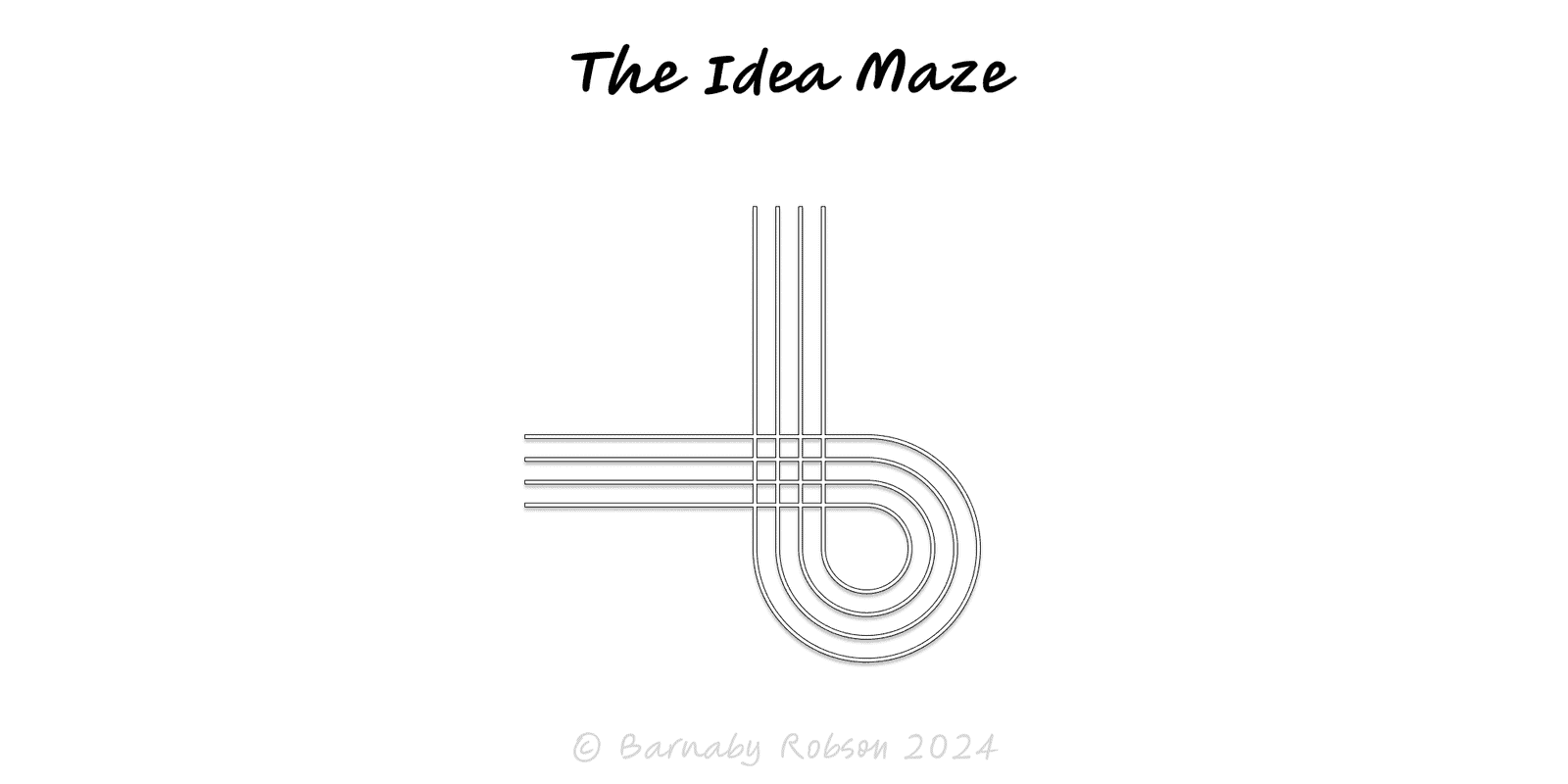
Before building, map the space: the key forks, dead ends and dependencies—so you can choose a promising path and run smarter tests.
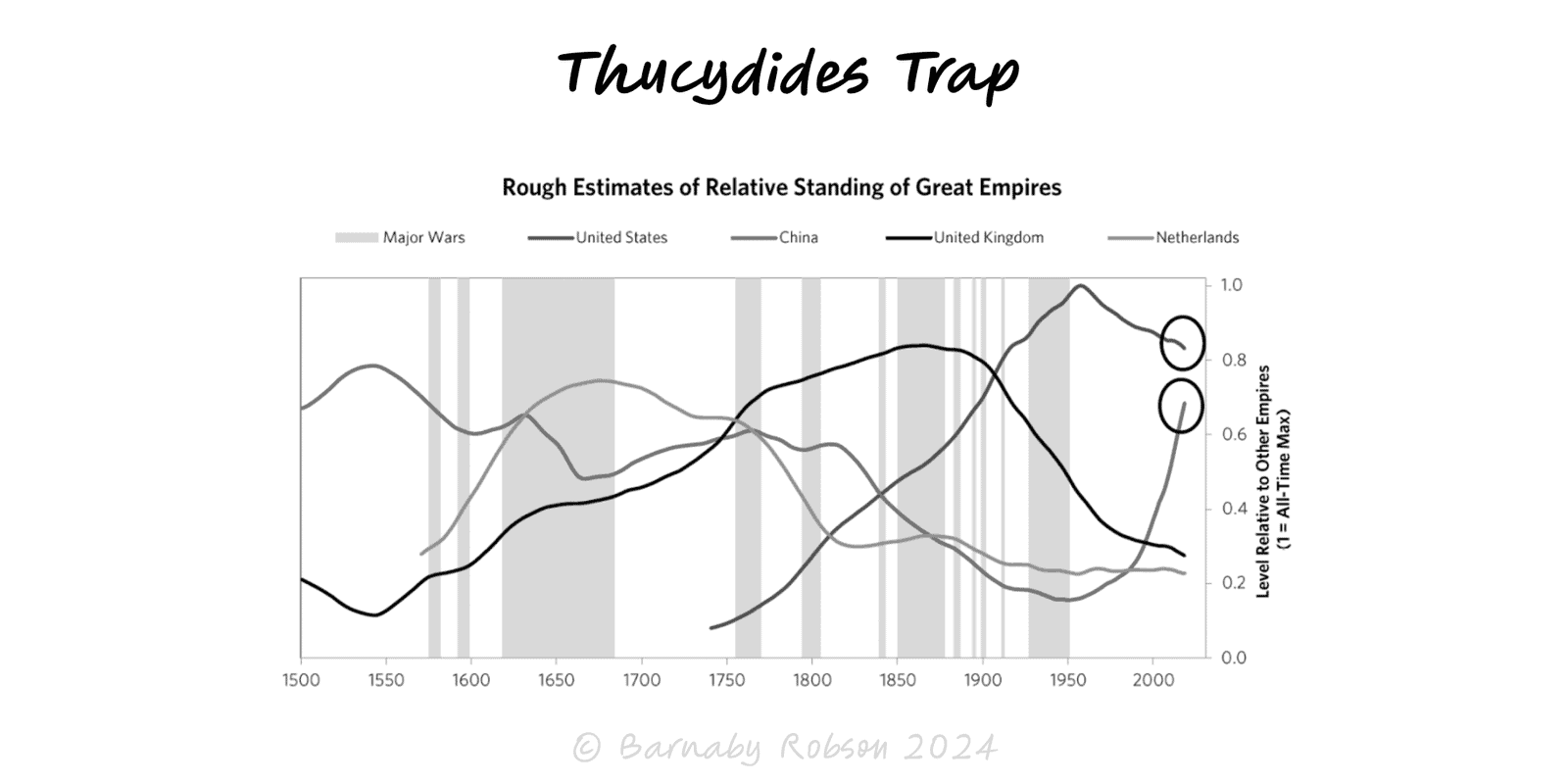
When a rising power threatens to displace a ruling power, fear and miscalculation can tip competition into conflict unless incentives and guardrails are redesigned.
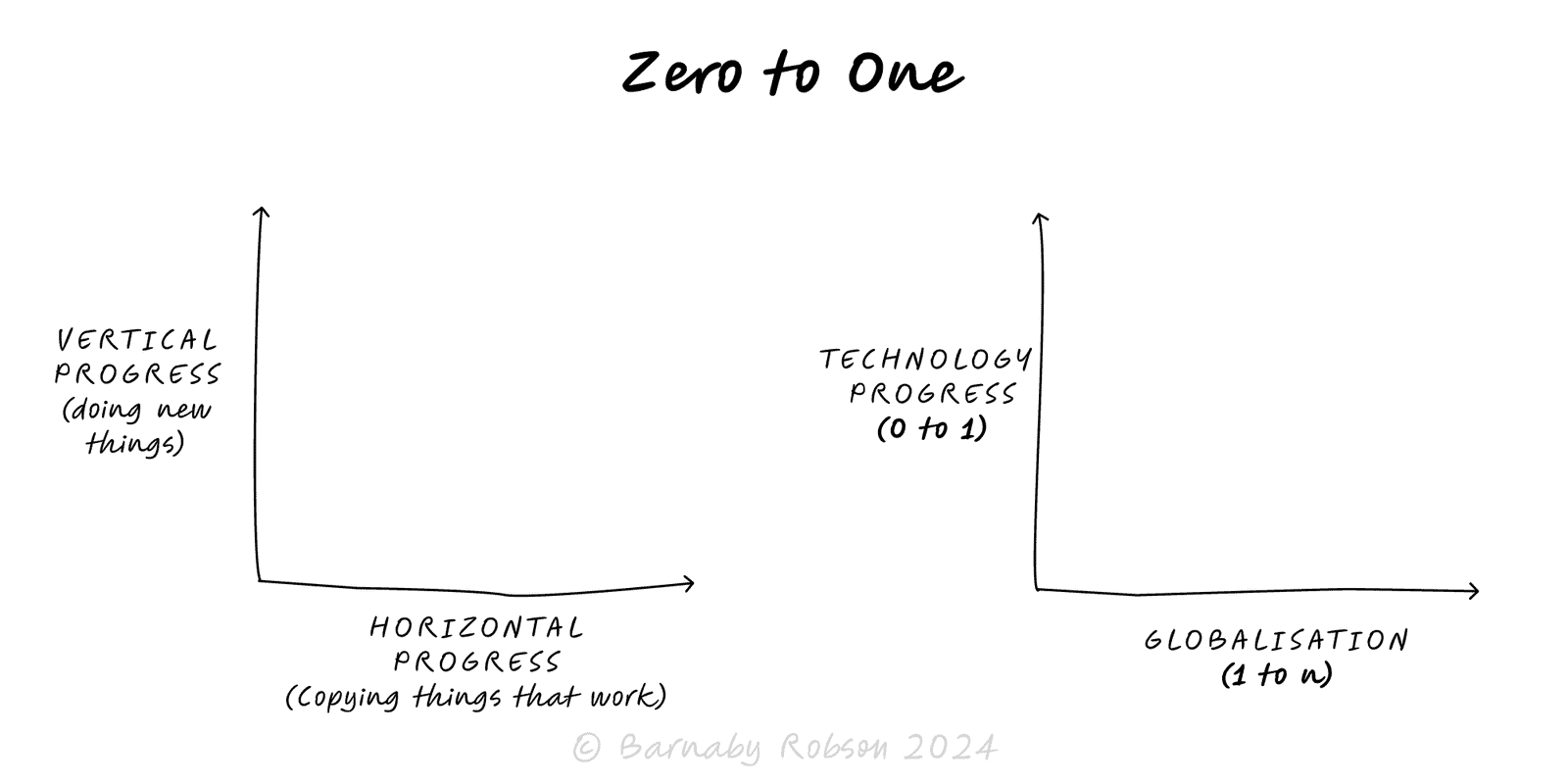
Aim for vertical progress—create something truly new (0 → 1), not just more of the same (1 → n). Win by building a monopoly on a focused niche and compounding from there.