Ikigai

A practical way to align what you love, what you’re good at, what the world needs, and what pays—while honouring small, everyday sources of meaning.

Author

Japanese cultural concept (no single author); popularised in the West via the 4-circle diagram


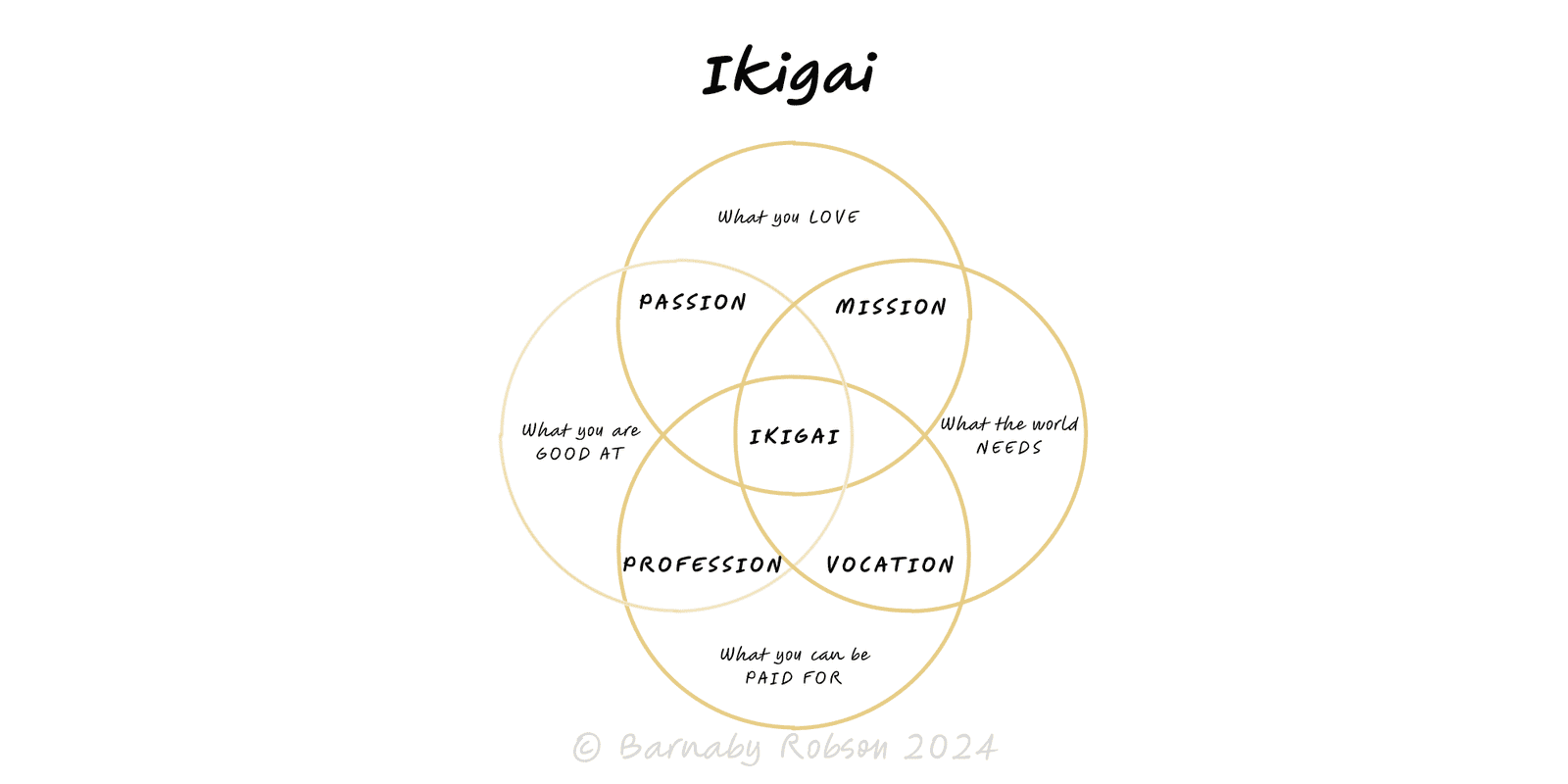
Ikigai roughly means “a reason for being” or “a reason to get up in the morning.”

In its original Japanese sense, it isn’t only about career; it also includes everyday joys, roles and relationships. The popular four-circle Venn (love × skill × need × paid) is a useful Western heuristic, but it oversimplifies. Use it as a design tool, not dogma.

How it works


Four lenses (the heuristic)

  • Love – activities that energise you intrinsically.
  • Skill – domain strengths and comparative advantages.
  • Need – problems worth solving for others (users, community, world).
  • Pay – viable ways the market (or patrons) rewards the work.

Intersections give signals

  • Passion = Love ∩ Skill
  • Mission = Love ∩ Need
  • Profession = Skill ∩ Pay
  • Vocation = Need ∩ Pay

Aim to prototype options in the small region where all four overlap.

Everyday ikigai – micro-sources of meaning (craft pride, service, mastery, connection) compound even when the job is imperfect.

Use-cases


Career/life design – pivots, sabbaticals, portfolio careers.

Role shaping – tilt a current job toward your strengths and valued problems.

Founder clarity – align product vision with personal energy and market reality.

Team development – map individuals’ Love/Skill to tasks and customer needs.

Pitfalls & Cautions


Single-soulmate myth – expecting one perfect calling; allow plural, evolving fits.

Money denial – ignoring Pay turns purpose into burnout; design a sustainable model.

Market blindness – “Need” must be someone’s need; validate with real users, not vibes.

Heuristic worship – the Venn is a tool; don’t force-fit life into four boxes.

Static snapshot – your loves and skills shift; schedule reviews to refresh the map.

Status traps – chasing prestige over fit; use first-principles metrics (energy, impact, evidence of pull).

Recent Mental Models

Click below to learn other mental models

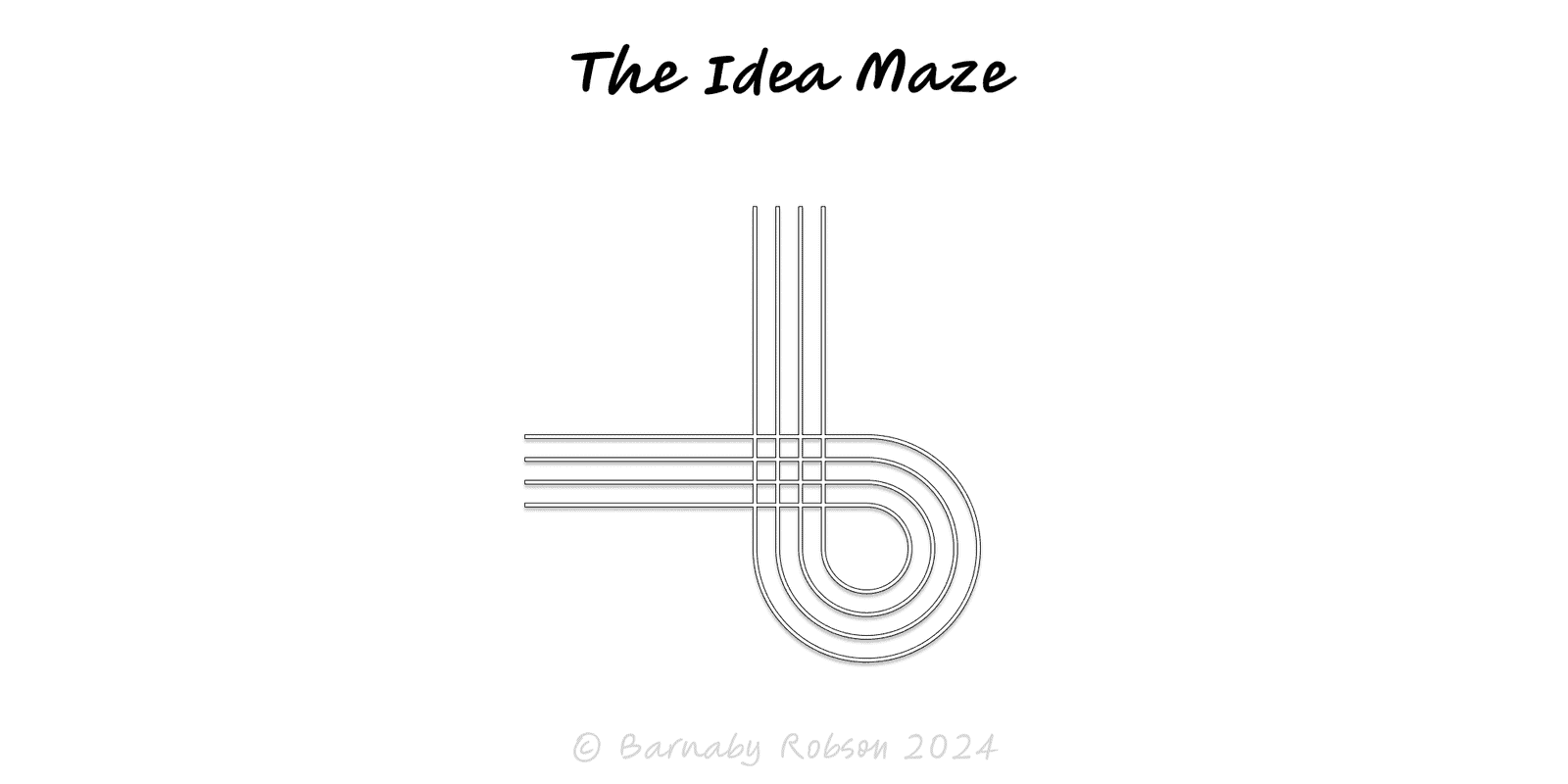
  • The Idea Maze

    The Idea Maze

    Before building, map the space: the key forks, dead ends and dependencies—so you can choose a promising path and run smarter tests.

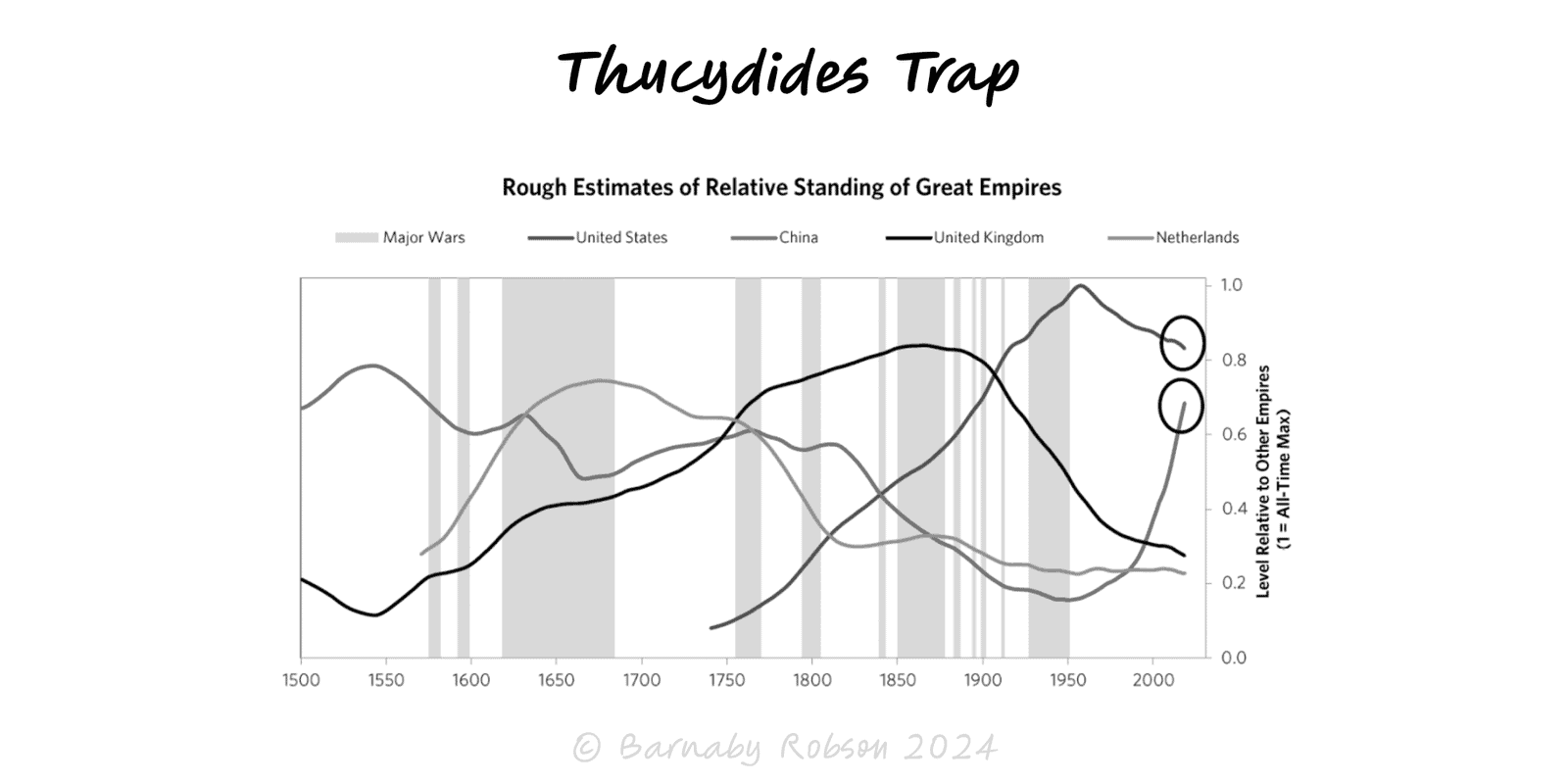
  • Thucydides Trap

    Thucydides Trap

    When a rising power threatens to displace a ruling power, fear and miscalculation can tip competition into conflict unless incentives and guardrails are redesigned.

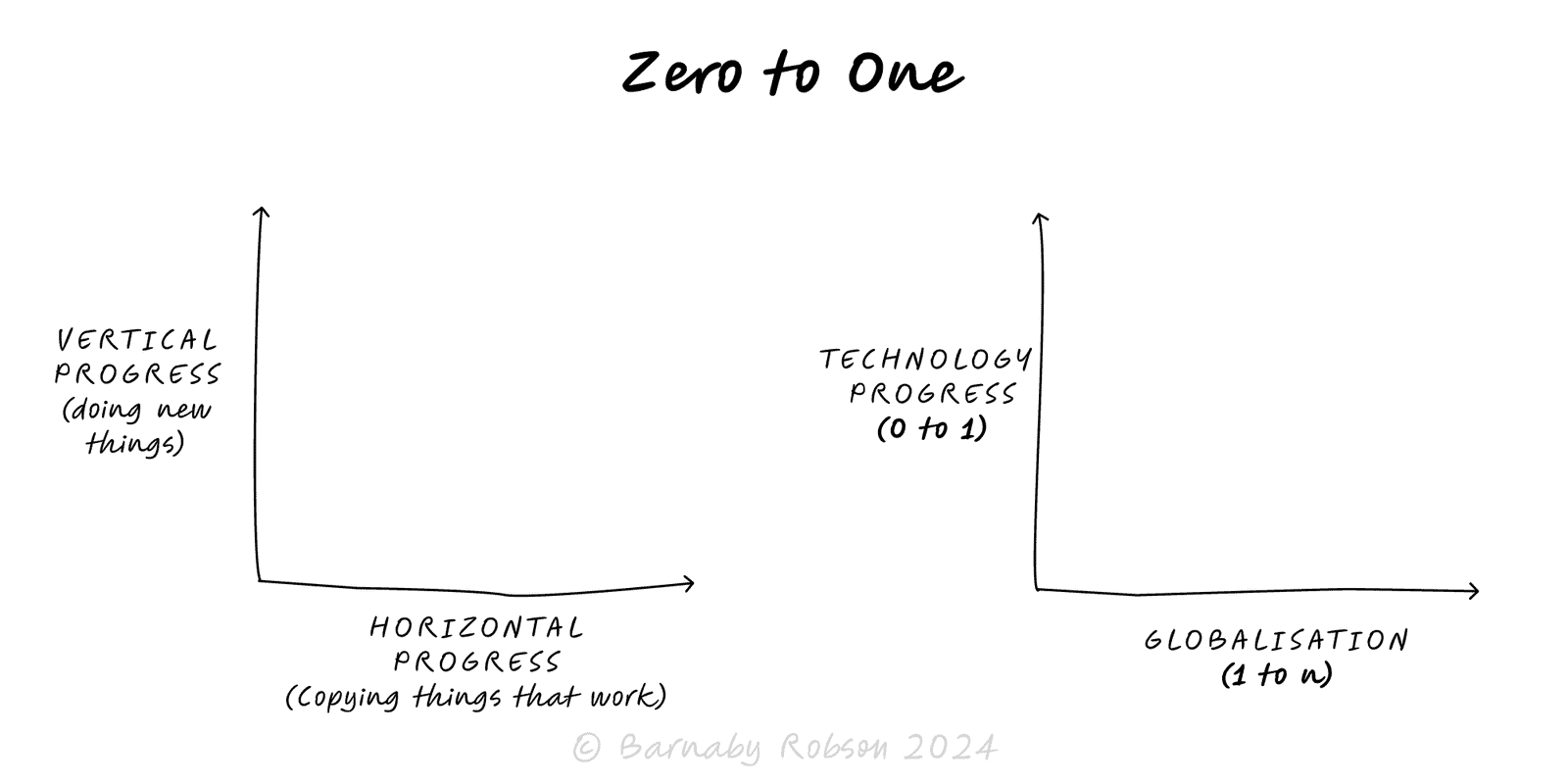
  • Zero to One

    Zero to One

    Aim for vertical progress—create something truly new (0 → 1), not just more of the same (1 → n). Win by building a monopoly on a focused niche and compounding from there.