Hanlon’s Razor
Don’t attribute to malice what can be explained by error, ignorance or misaligned incentives.
Author
Robert J. Hanlon (attributed, 1980); antecedents in earlier maxims
Model type
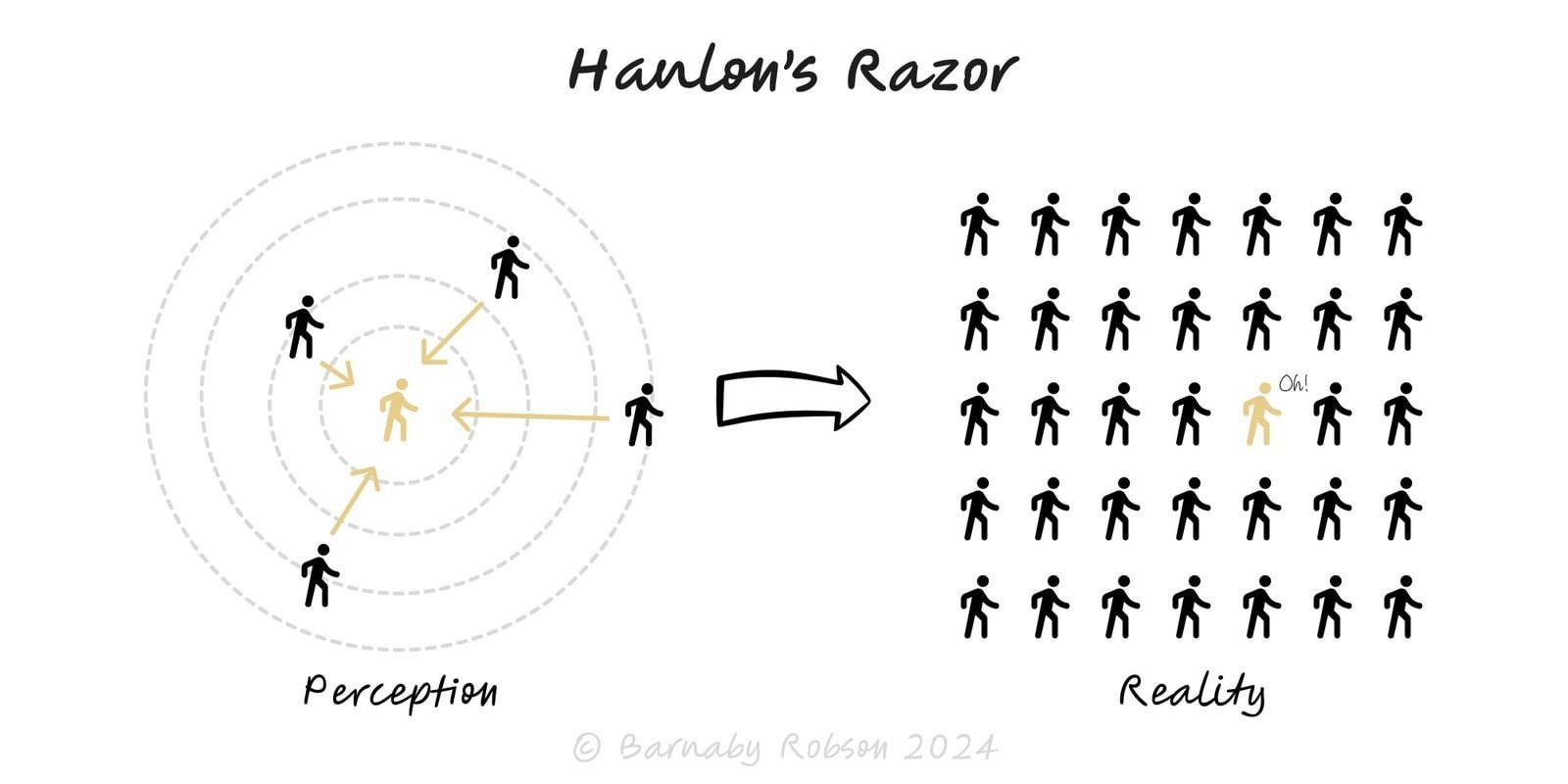

Don’t attribute to malice what can be explained by error, ignorance or misaligned incentives.
Robert J. Hanlon (attributed, 1980); antecedents in earlier maxims
Hanlon’s Razor is a shortcut for interpreting setbacks and offensive outcomes. Most problems arise from mistakes, constraints or poor systems, not deliberate harm. Starting with a non-malicious explanation reduces conflict and speeds fixes—while leaving room to escalate if evidence of intent appears.
Base rates first – in most organisations, accidents and miscommunication are far more common than plots.
Causal stack – check systems and incentives before judging individuals.
Evidence threshold – require concrete signals of intent before concluding malice.
Reversibility – when stakes are low or reversible, assume error; when stakes are high, verify.
Incident reviews – outages, defects, compliance slips.
Cross-team friction – missed hand-offs, slow replies, conflicting priorities.
Customer comms – perceived “price gouging”, feature removals, policy changes.
Negotiation & vendor issues – delays or scope gaps more often reflect incentives or capacity.
State the harm neutrally – what happened, who was affected, and the observable facts.
Test the non-malicious hypotheses – error, ambiguity, capacity limits, misaligned goals, missing context.
Inspect systems – process, tooling, incentives, and interfaces that made the outcome likely.
Respond proportionately – fix the system first (clarify ownership, improve defaults, adjust incentives), then coach individuals.
Escalate on evidence – if patterns persist or you find clear intent, switch to accountability and safeguards.
Communicate with charity – ask for perspective, mirror back constraints, propose concrete next steps.
Naïveté – some contexts (fraud, security, adversarial markets) warrant assume risk, then verify.
Excusing everything – “no malice” ≠ “no responsibility”; keep consequences and learning actions.
Ignoring incentives – repeated “errors” under strong incentives are strategy by another name.
Cultural mismatch – blunt wording (“stupidity”) harms trust; use error/constraint language.
One-way door risks – for irreversible, safety-critical choices, require verification regardless of intent.
Click below to learn other mental models
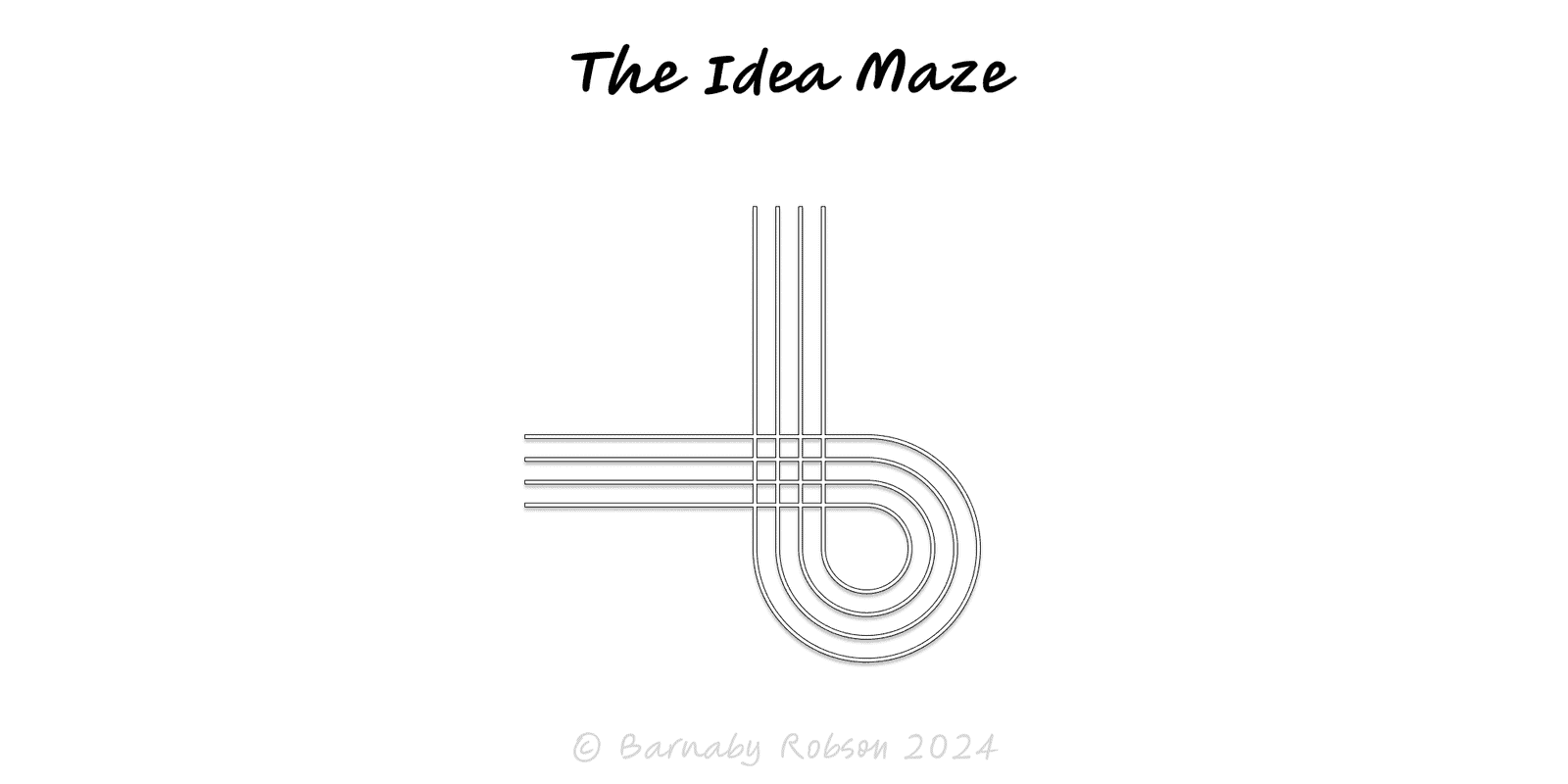
Before building, map the space: the key forks, dead ends and dependencies—so you can choose a promising path and run smarter tests.
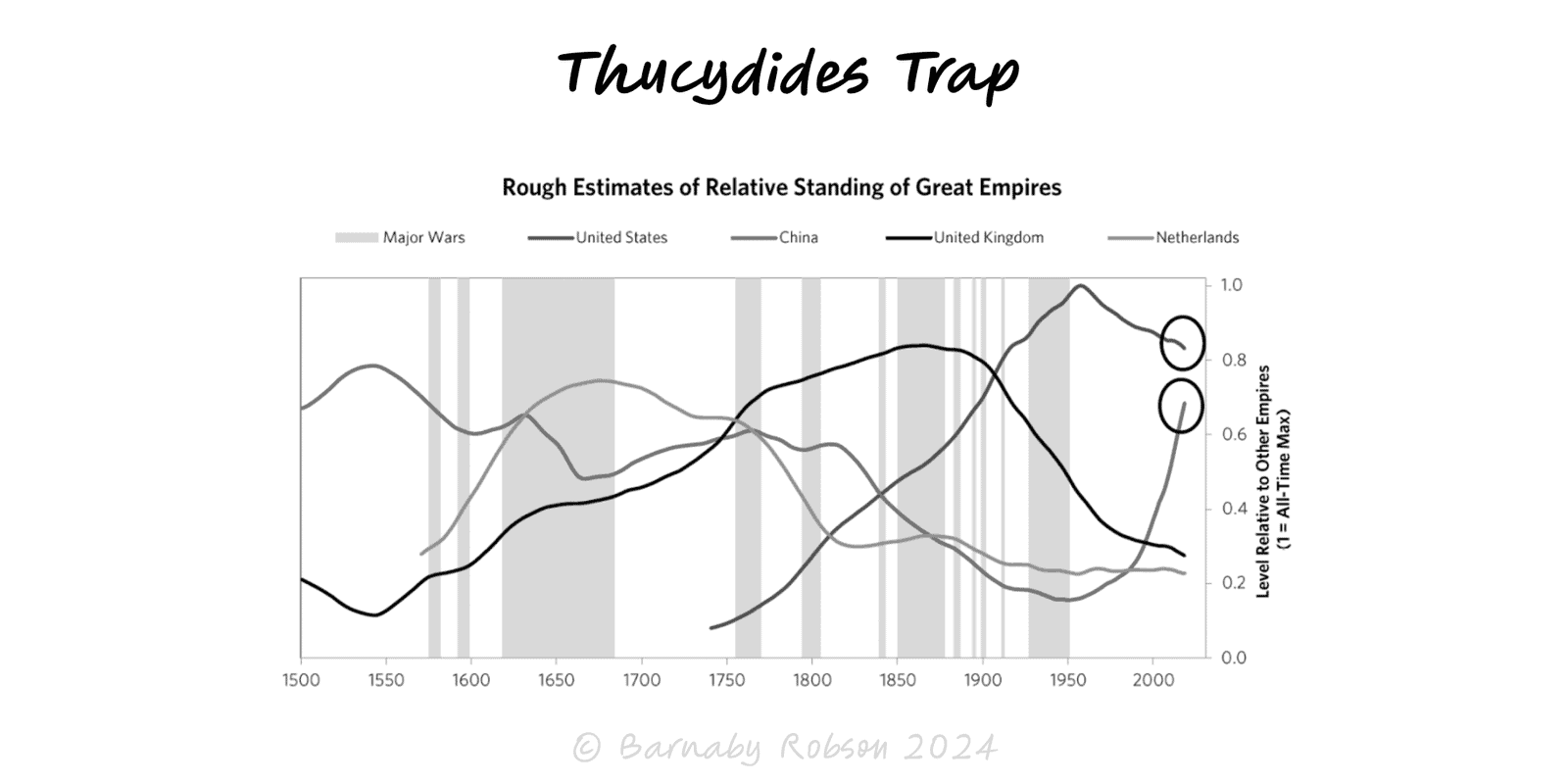
When a rising power threatens to displace a ruling power, fear and miscalculation can tip competition into conflict unless incentives and guardrails are redesigned.
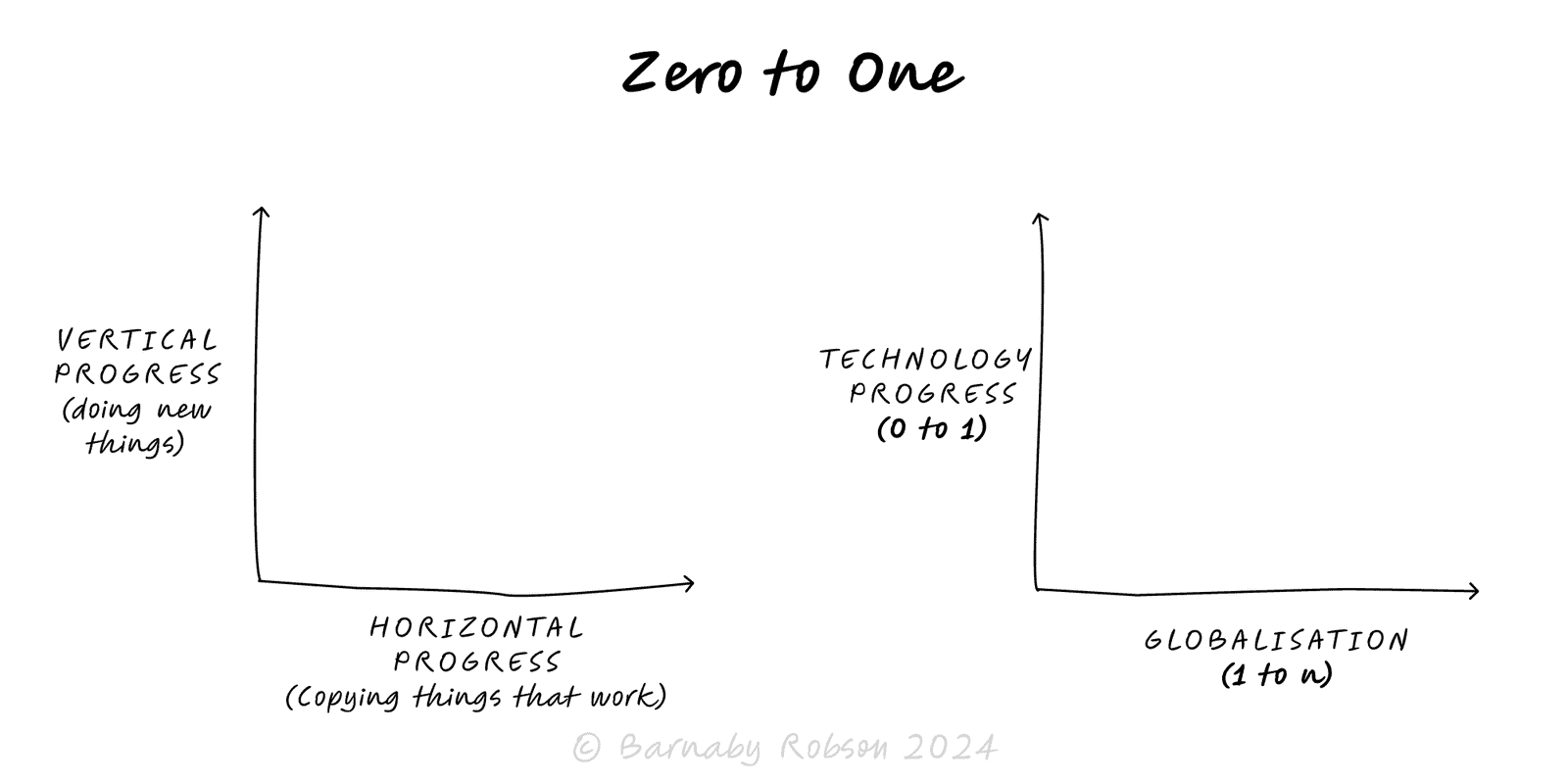
Aim for vertical progress—create something truly new (0 → 1), not just more of the same (1 → n). Win by building a monopoly on a focused niche and compounding from there.