Fat Protocol Thesis

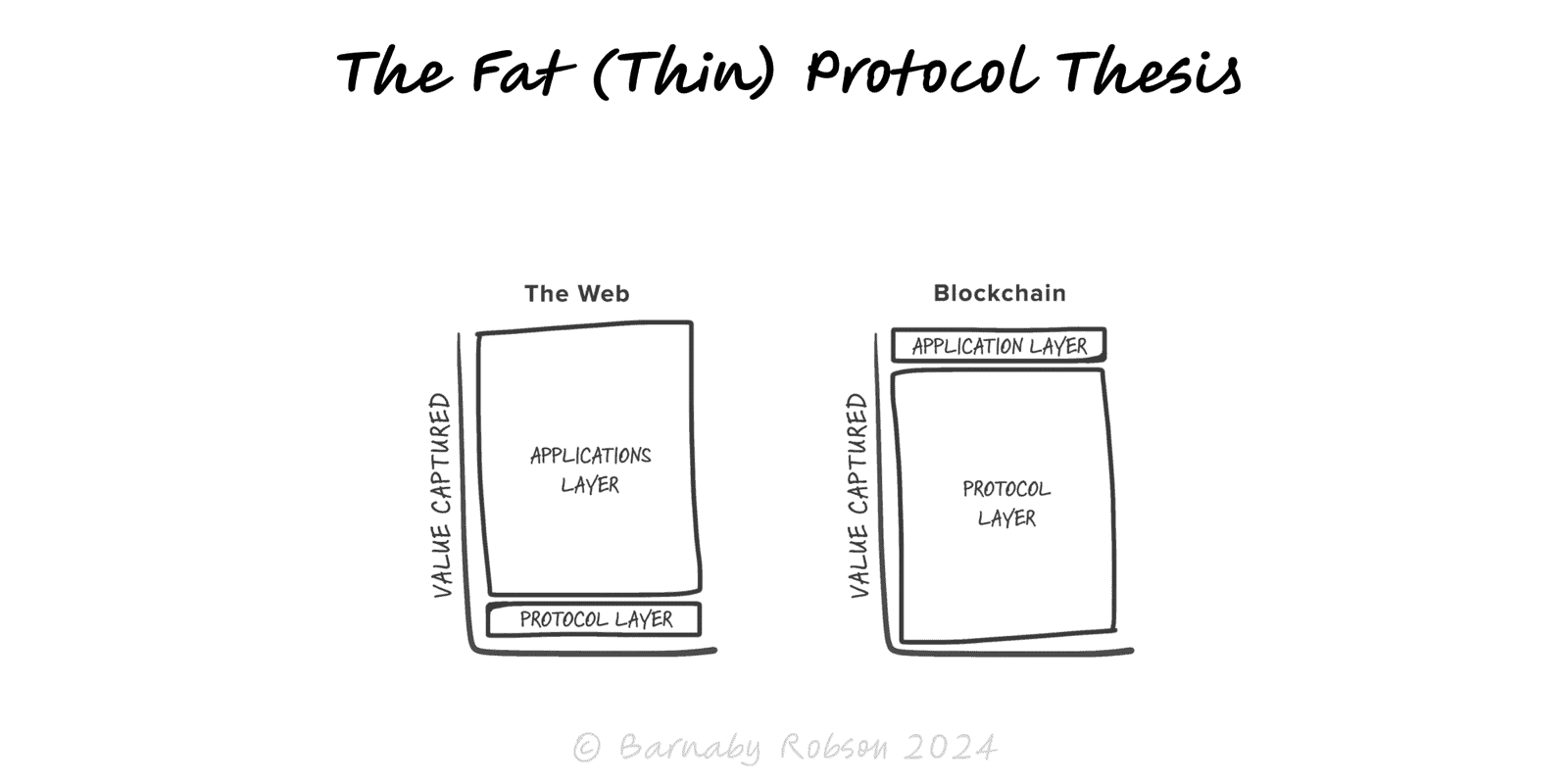
In blockchains, value tends to concentrate at the shared protocol layer rather than the application layer, though modular stacks and wallets can shift where value accrues.

Author

Joel Monegro (Union Square Ventures, 2016)


The Fat Protocol Thesis argues that blockchains invert the old Internet pattern of thin protocols, fat apps: because protocols have native tokens and a shared data/state layer, they capture more of the ecosystem’s value than any single application built on top. Think Bitcoin or Ethereum accruing value as usage and assets build on them. 

How it works


Shared state as the moat – data and assets live at the protocol, so apps are interchangeable front ends on the same ledger, compressing their ability to capture value vs the protocol. 

Tokenised coordination – a protocol token links users, developers and operators; rising usage can bid up token value and fund more building (security, grants, liquidity). 

Composability – open smart contracts stack like Lego; when apps plug into one another, the base network and core protocols gain cumulative demand. 

Price discovery at the base – markets form first in protocol tokens (and core DeFi protocols), so value is marked at the base layer earlier and more transparently than for individual apps. 

Use-cases


Founder strategy – decide whether your edge is a protocol (shared state, liquidity, security) or an application (UX, distribution, niche workflows).

Token design – align contributors and secure the network; choose fee, burn, staking or revenue-share mechanisms carefully.

Investment theses – when to hold base protocols vs “fat apps”, or baskets of core money/settlement/compute protocols.

Ecosystem building – grants, standards, and dev tooling that deepen protocol lock-in via composability.

Pitfalls & Cautions


Token ≠ value – speculation can decouple price from usage; insist on fee flows and durable demand. 

Forkability – “fatness” can invite forks; if a protocol captures too much rent, users can migrate to cheaper variants. 

Shifting theses – later cycles showed cases for thin applications and even fat wallets capturing user surplus and order flow; don’t treat “fat protocols” as a law. 

Regulatory and MEV risks – value at the base can be taxed by regulation or extracted in the stack; design around these frictions.

Composability debt – integrations multiply attack surface; security and upgrade paths must be first-class.

Recent Mental Models

Click below to learn other mental models

  • The Idea Maze

    The Idea Maze

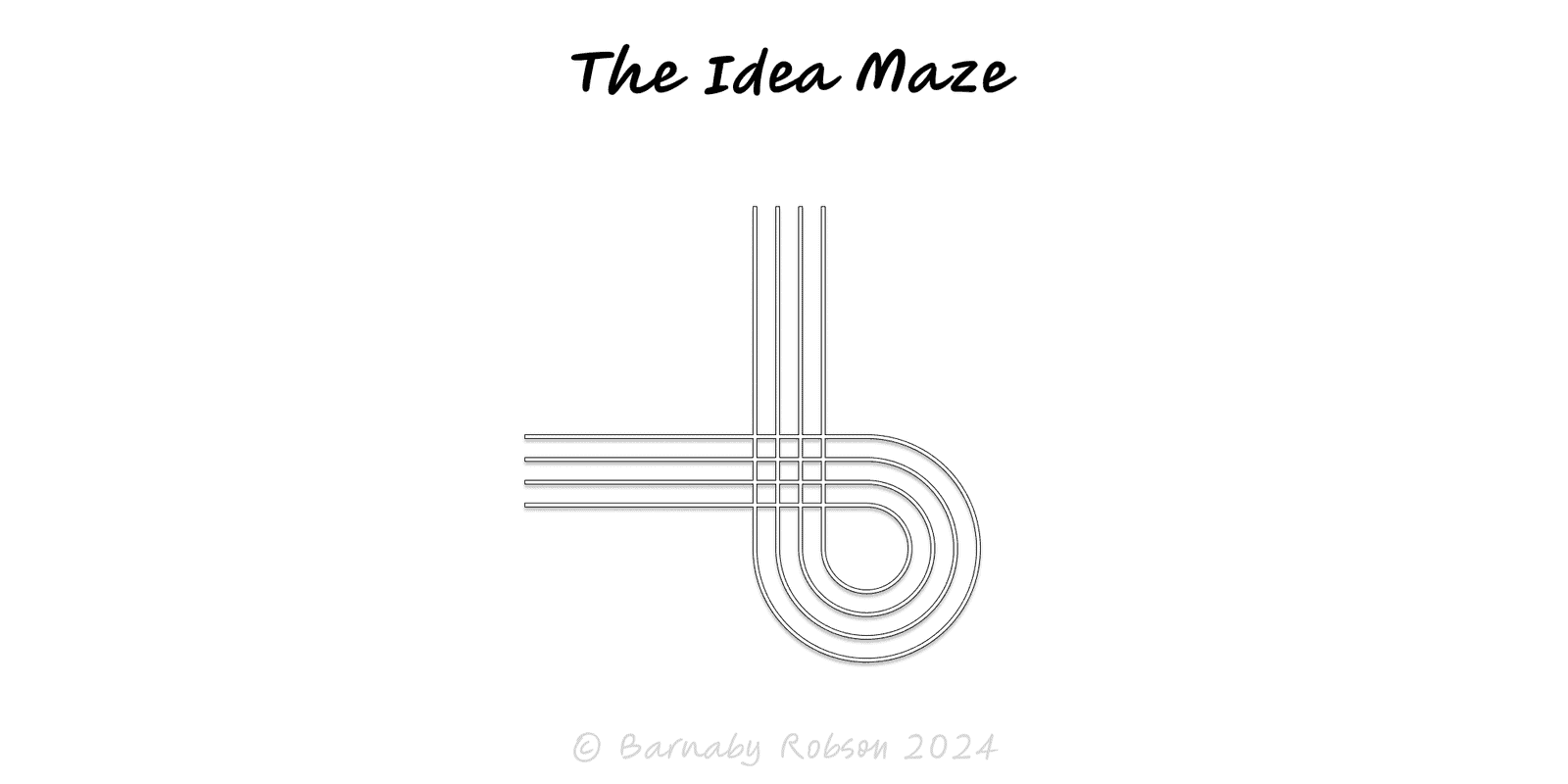
    Before building, map the space: the key forks, dead ends and dependencies—so you can choose a promising path and run smarter tests.

  • Thucydides Trap

    Thucydides Trap

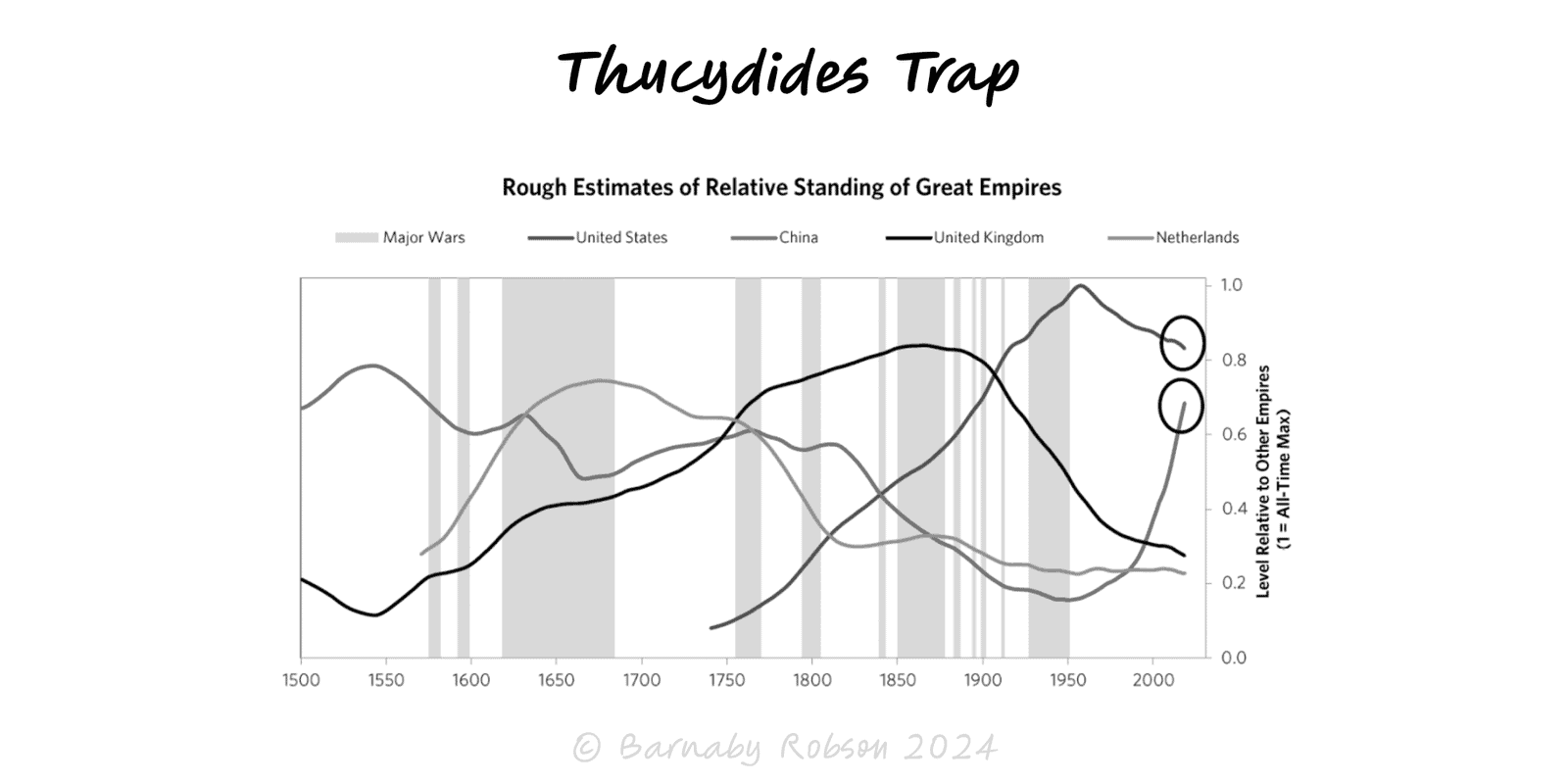
    When a rising power threatens to displace a ruling power, fear and miscalculation can tip competition into conflict unless incentives and guardrails are redesigned.

  • Zero to One

    Zero to One

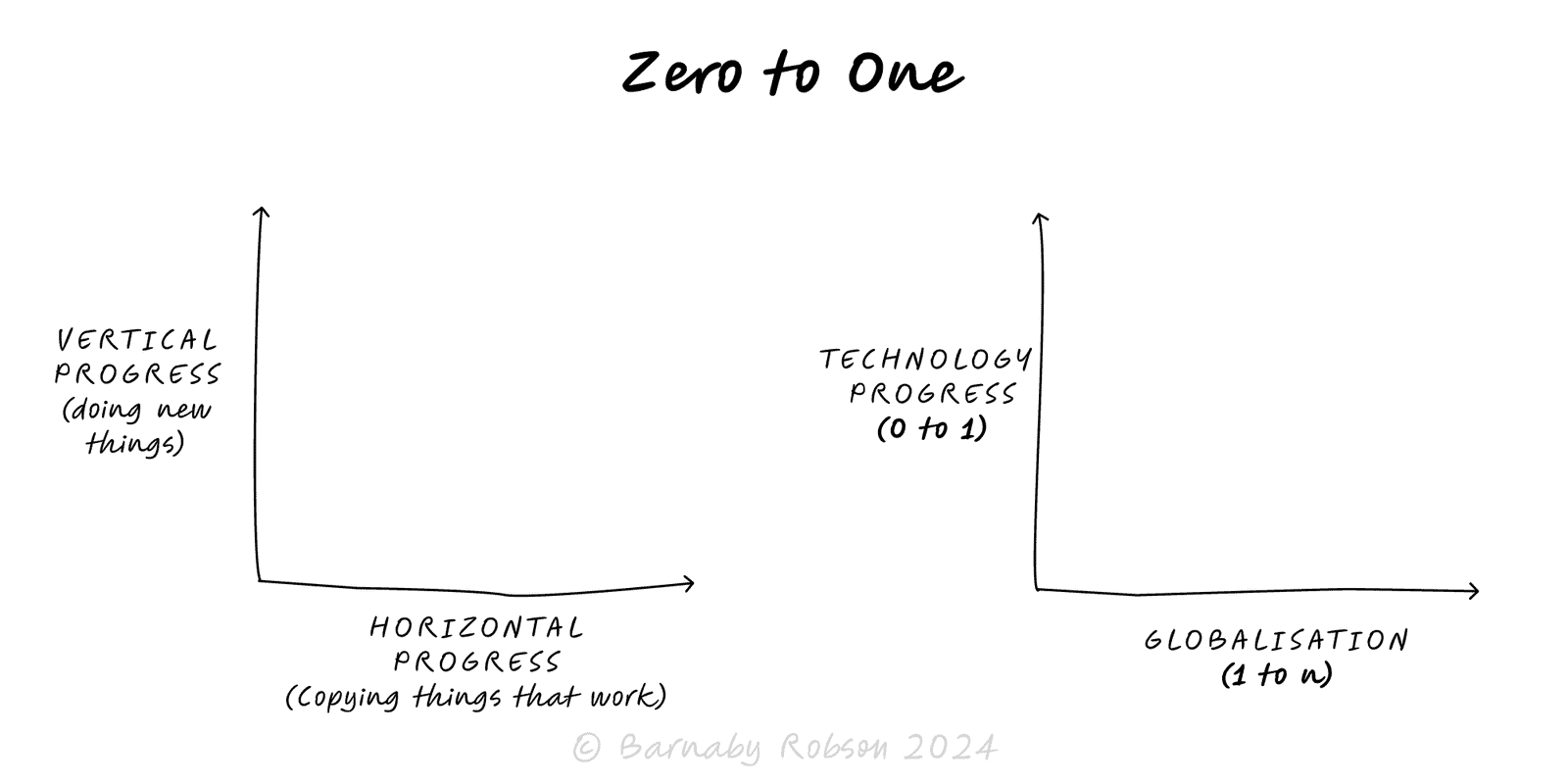
    Aim for vertical progress—create something truly new (0 → 1), not just more of the same (1 → n). Win by building a monopoly on a focused niche and compounding from there.