Double-Entry Bookkeeping
Every transaction records equal debits and credits; ensures the books balance and errors surface.
Author
Luca Pacioli (1494) – modern accounting practice
Model type
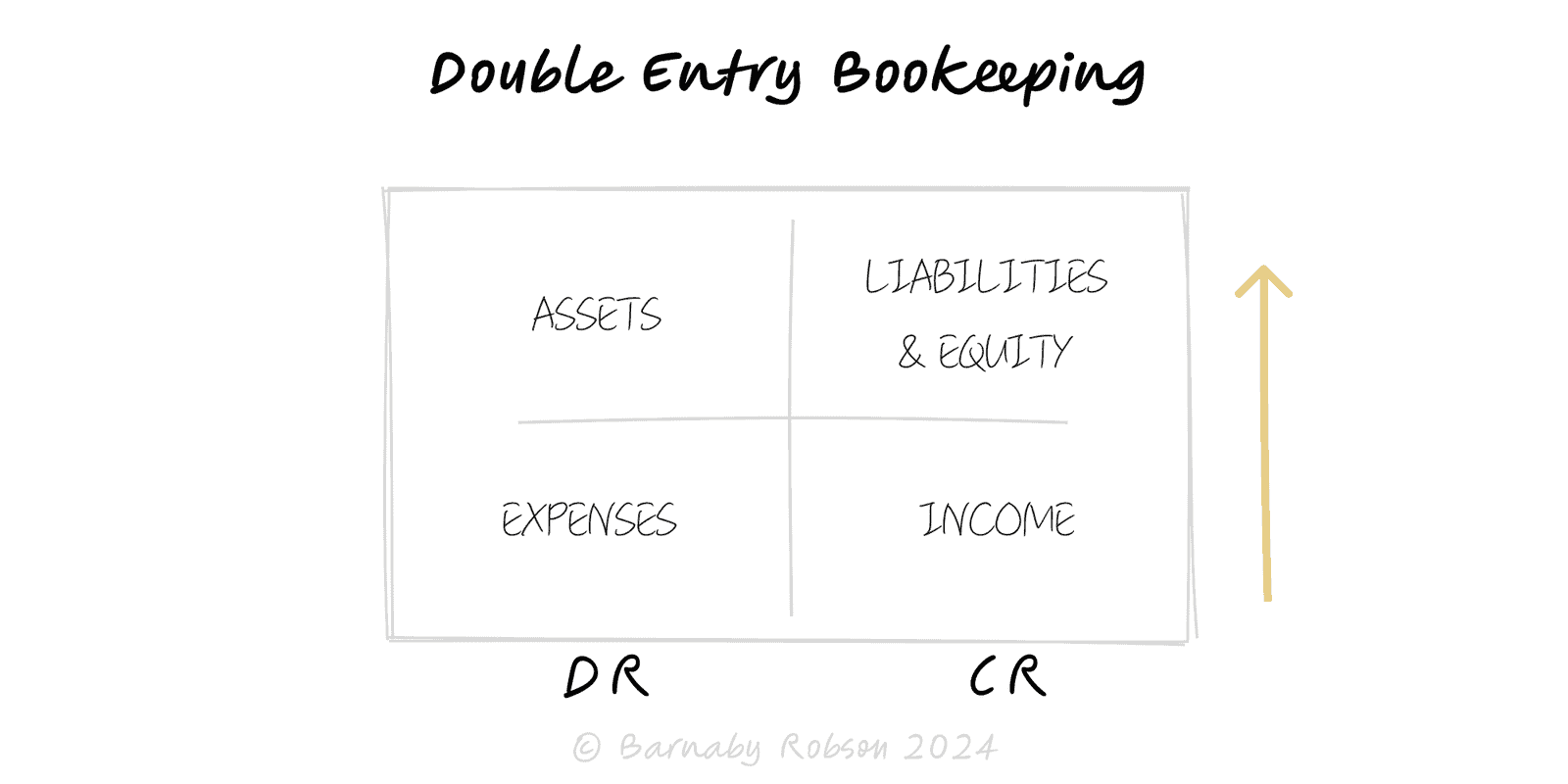

Every transaction records equal debits and credits; ensures the books balance and errors surface.
Luca Pacioli (1494) – modern accounting practice
Double-entry is the backbone of reliable finance. Each transaction affects at least two accounts such that
Assets = Liabilities + Equity remains true. The method creates an audit trail, enables accrual accounting, and scales from a sole trader to listed companies.
Accounting equation – must hold after every entry: A = L + E.
Debits & Credits (D/C)
Flow – Source docs → Journal (entries) → Ledger (T-accounts) → Trial balance → Adjusted TB → Statements.
Accruals/deferrals – recognise revenue when earned and costs when incurred (matching principle).
Subledgers & control accounts – AR/AP detail rolls up to GL control accounts.
Contra accounts – e.g., Accumulated Depreciation (credit) against Equipment (debit).
Closing entries – reset income/expense to retained earnings at period end.
Self-check – total debits must equal total credits; differences surface via the trial balance.
Financial control & auditability – clean, traceable numbers for management, lenders, and regulators.
Performance management – accruals enable real P&L by period, independent of cash timing.
Fraud/error detection – mismatches and unreconciled balances flag issues.
Systems integration – the universal pattern behind ERPs and APIs (orders → invoices → GL).
Chart of accounts (CoA) – design clear, hierarchical codes for Assets, Liabilities, Equity, Income, Expenses; document usage.
Policies – cash vs accrual, capitalisation thresholds, depreciation methods, revenue recognition, FX, VAT/GST.
Authoring the entry – from a source document, identify the accounts touched and whether each D or C.
Post & reconcile – journal to GL; reconcile bank, AR/AP, payroll, tax, and intercompany monthly.
Adjusting entries – accruals, prepayments, depreciation, bad-debt provisions.
Close – run trial balance, investigate variances, post corrections, produce statements (P&L, Balance Sheet, Cash Flow).
Controls – segregation of duties, numbered docs, approval workflows, change logs, and periodic reviews.
Mixing cash and accrual concepts – leads to distorted margins.
Unreconciled control accounts – AR/AP not tying to subledgers.
Cut-off errors – revenue/expenses in the wrong period.
Misclassification – capex expensed (or vice versa); VAT/GST posted to P&L.
Suspense reliance – parking too much in suspense instead of fixing root causes.
FX & multi-entity slippage – unposted revaluations or out-of-balance intercompany.
Click below to learn other mental models
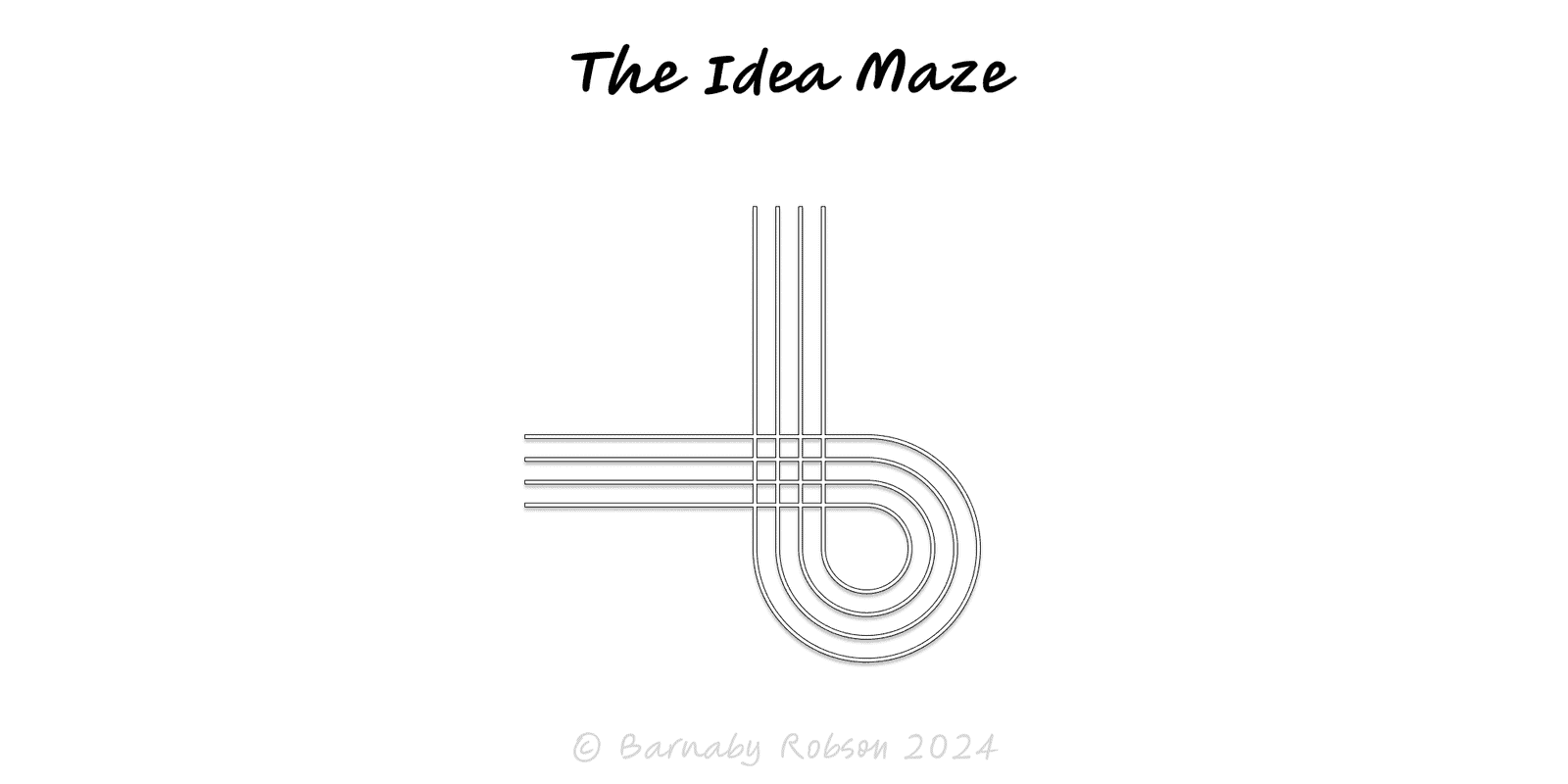
Before building, map the space: the key forks, dead ends and dependencies—so you can choose a promising path and run smarter tests.
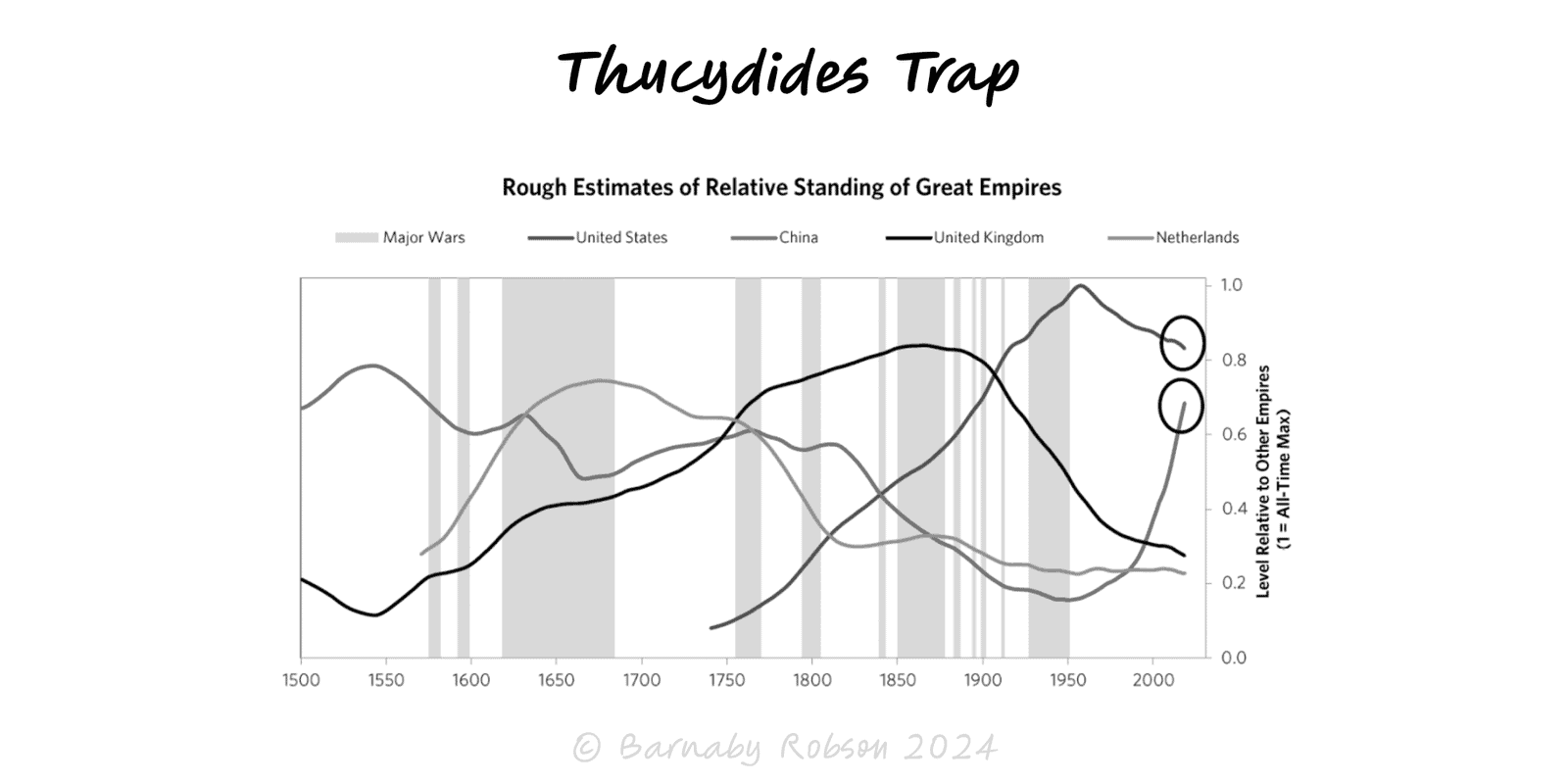
When a rising power threatens to displace a ruling power, fear and miscalculation can tip competition into conflict unless incentives and guardrails are redesigned.
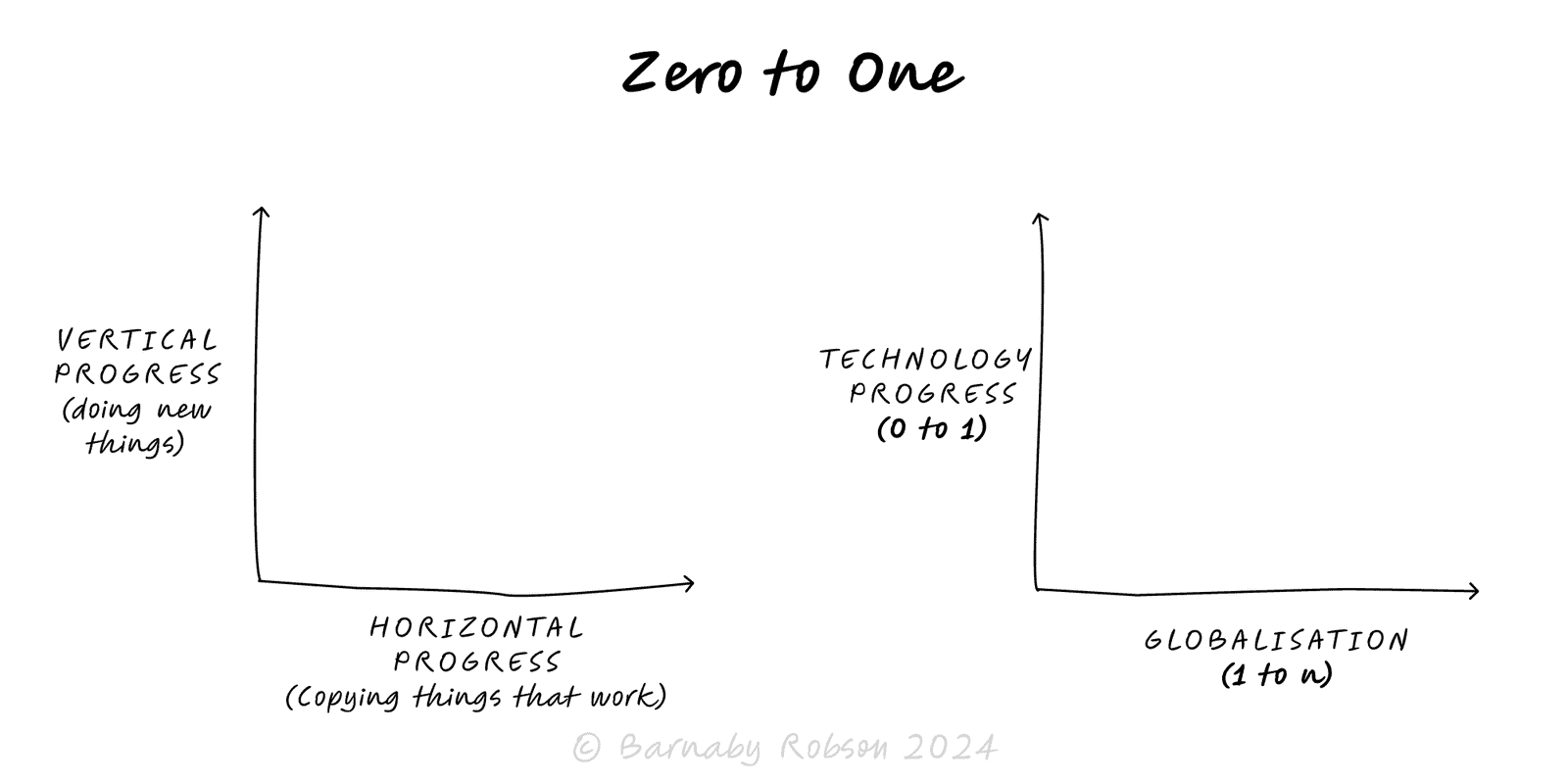
Aim for vertical progress—create something truly new (0 → 1), not just more of the same (1 → n). Win by building a monopoly on a focused niche and compounding from there.