Distributions

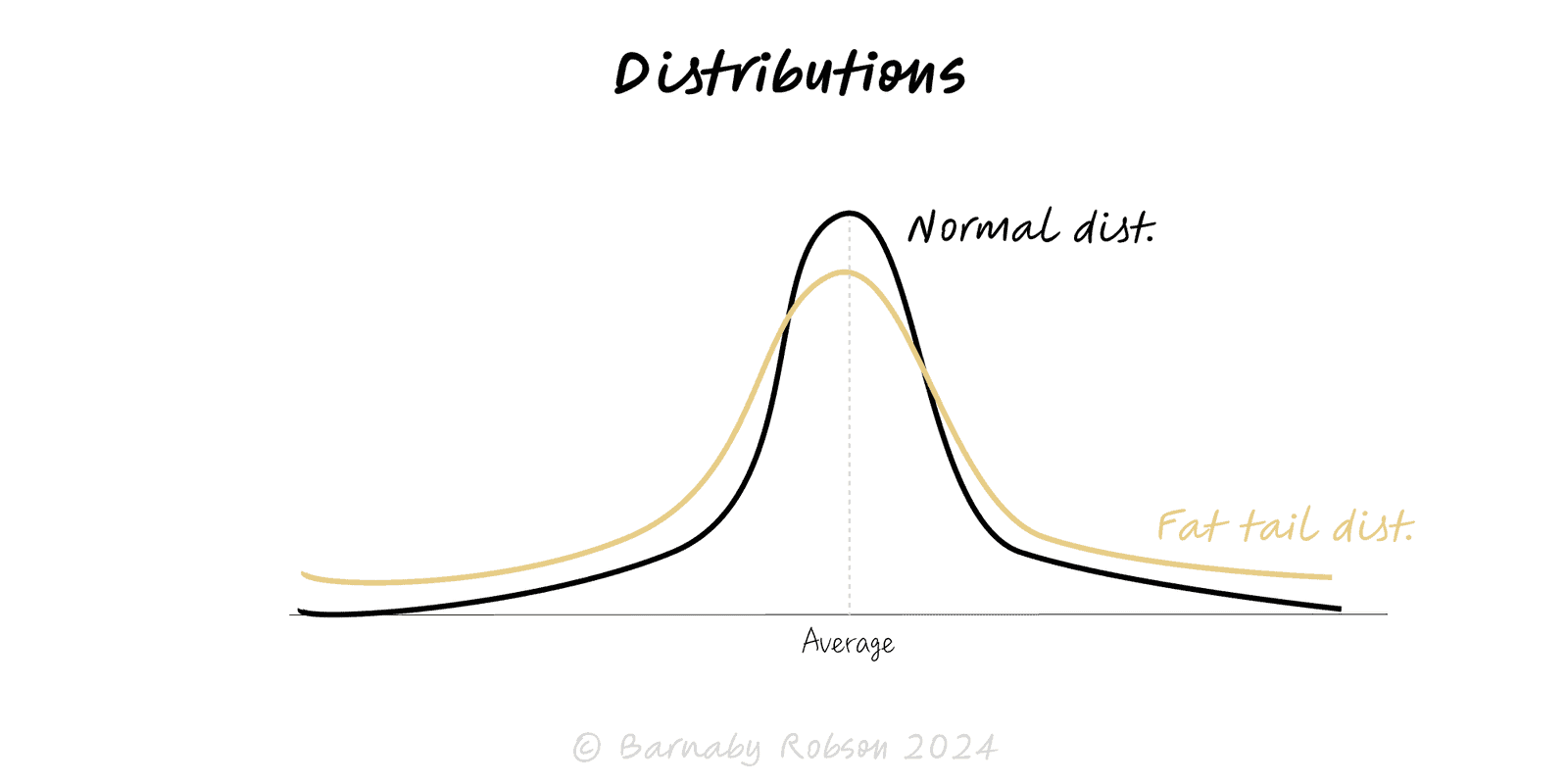
Outcomes don’t all follow the normal curve. Know the shape and tails of your data and choose metrics, forecasts and safeguards to match.

Author

Probability & statistics (Gauss, Laplace, Pareto, Mandelbrot; modern applied stats)


A distribution describes how often values occur. Many business tools assume a normal (Gaussian) bell curve—symmetric, thin-tailed, mean ≈ typical. But lots of real-world phenomena are skewed or heavy-tailed: a few extreme values dominate (sales per product, outages, viral posts, wealth). Picking the right family—normal, lognormal, power-law (Pareto), exponential, Poisson—changes how you summarise, predict and manage risk.

How it works


Normal (Gaussian) – additive noise, many small independent effects (CLT). Symmetric, thin tails.

  • Heuristics: mean ≈ median; “68–95–99.7%” within 1–2–3σ.

Lognormal – multiplicative growth (price × price × …), non-negative, right-skewed.

  • Heuristics: use geometric mean, medians and percentiles; extremes matter.

Exponential – memoryless waiting times between independent events (simple queues, decay).

Poisson – counts of independent rare events per interval (arrivals/defects at low rate).

Power-law (Pareto)P(X > x) ∝ x^−α above a threshold x_min; few huge values dominate.

  • For α ≤ 2 variance is infinite; for α ≤ 1 even the mean diverges (sample averages are unstable).

Mixtures & regime shifts – many domains are blends (e.g., normal body but heavy tail of spikes).

Thin vs heavy tails – thin tails make extremes rare; heavy tails make them decisive.

Use-cases


Risk & reliability – incident sizes, drawdowns, claim severity (heavy tails).

Operations – inter-arrival/wait times (Poisson/exponential), over-dispersion in queues.

Growth/marketing – campaign and creator impacts (lognormal/heavy-tailed).

Finance – returns have fatter tails than normal; stress with percentiles and scenario paths.

Inventory & demand – skewed SKU demand; stock by service levels (quantiles), not averages.

Pitfalls & Cautions


Assuming normal by habit – in heavy tails, averages understate risk and “six sigma” fails.

Misreading logs – a straight line on log–log suggests a power law only above a threshold; test alternatives (lognormal) before declaring Pareto.

Using σ-based rules on skew – “mean ± 2σ” thresholds break when mean ≠ typical.

Truncation/censoring – caps/hard limits hide tails; correct for it or you’ll be over-confident.

Stationarity assumptions – distributions drift with regime changes (pricing, behaviour, policy).

Optimising the mean – for service or risk, percentiles drive experience and losses.

Recent Mental Models

Click below to learn other mental models

  • The Idea Maze

    The Idea Maze

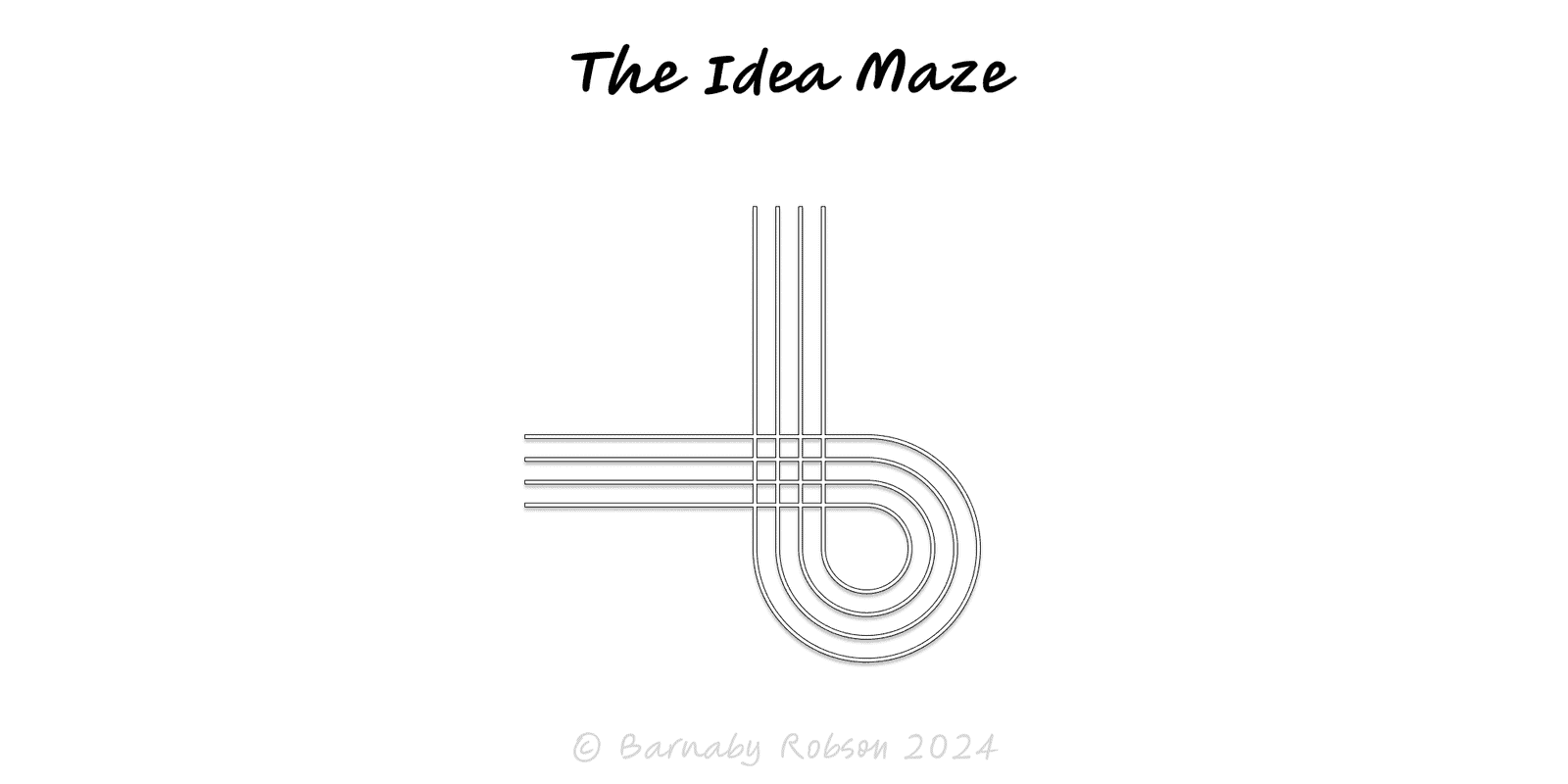
    Before building, map the space: the key forks, dead ends and dependencies—so you can choose a promising path and run smarter tests.

  • Thucydides Trap

    Thucydides Trap

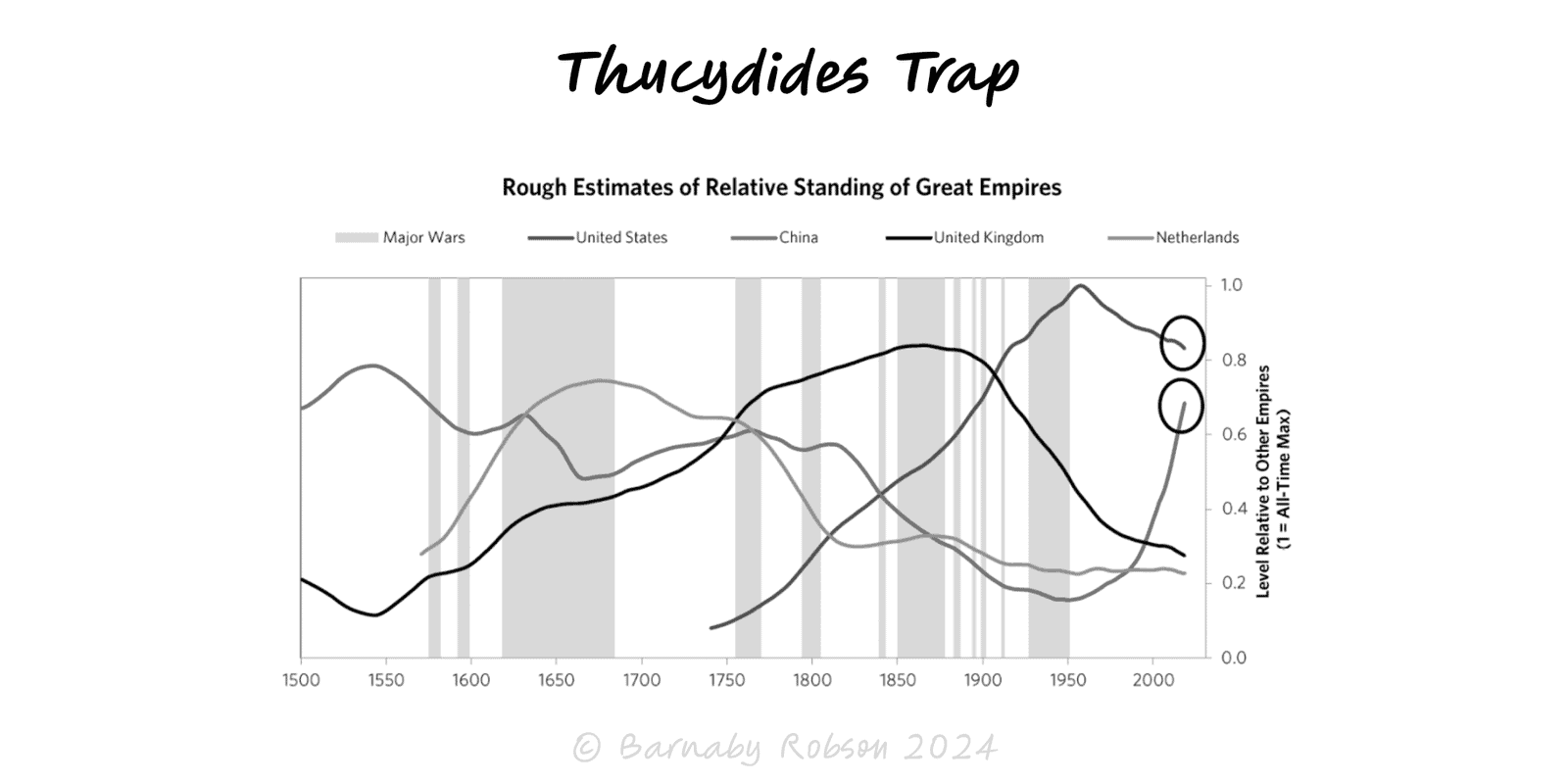
    When a rising power threatens to displace a ruling power, fear and miscalculation can tip competition into conflict unless incentives and guardrails are redesigned.

  • Zero to One

    Zero to One

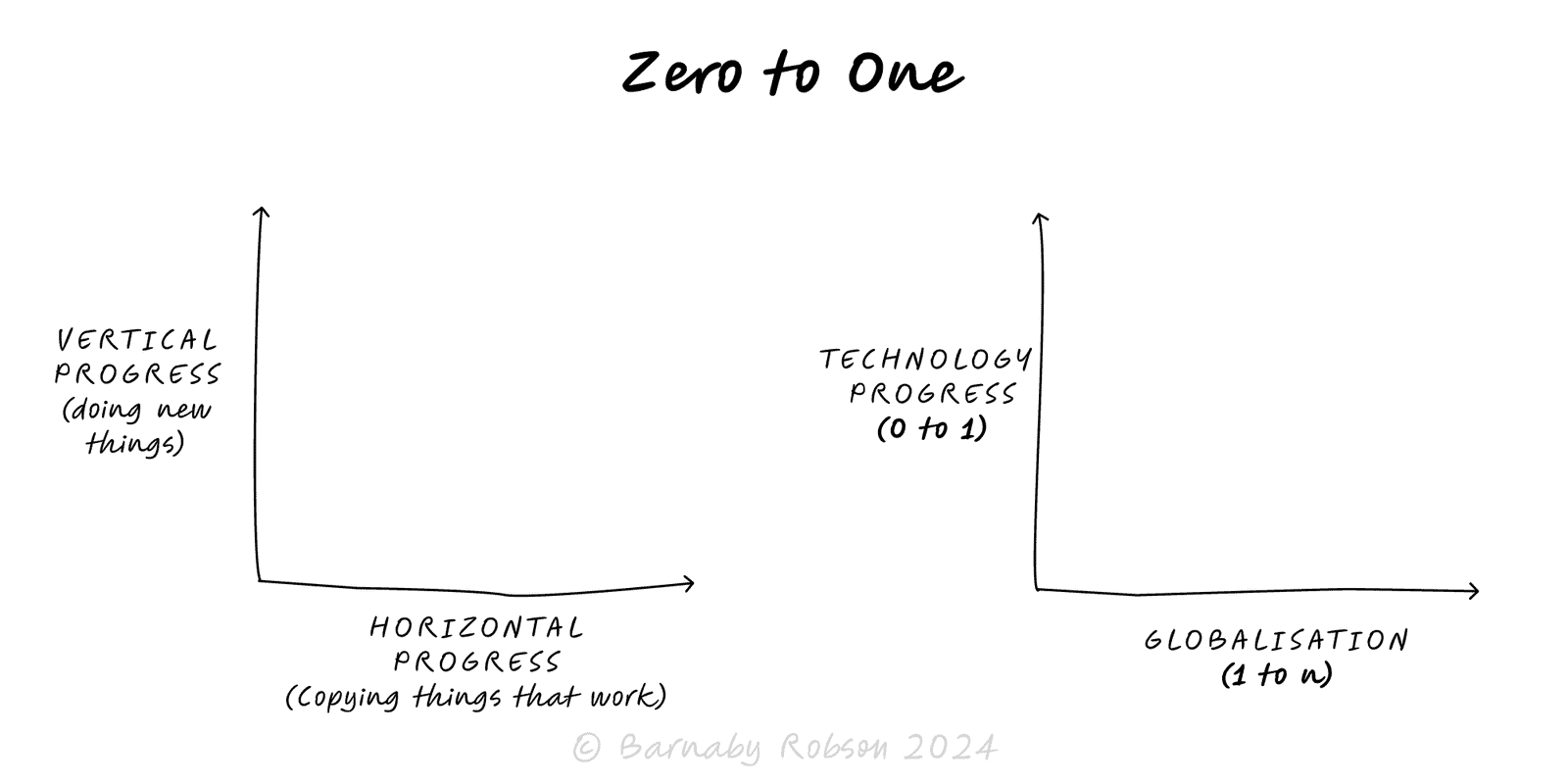
    Aim for vertical progress—create something truly new (0 → 1), not just more of the same (1 → n). Win by building a monopoly on a focused niche and compounding from there.