Cognitive Dissonance
Festinger’s insight: when beliefs and actions clash, we rationalise.
Author
Leon Festinger (1957)
Model type
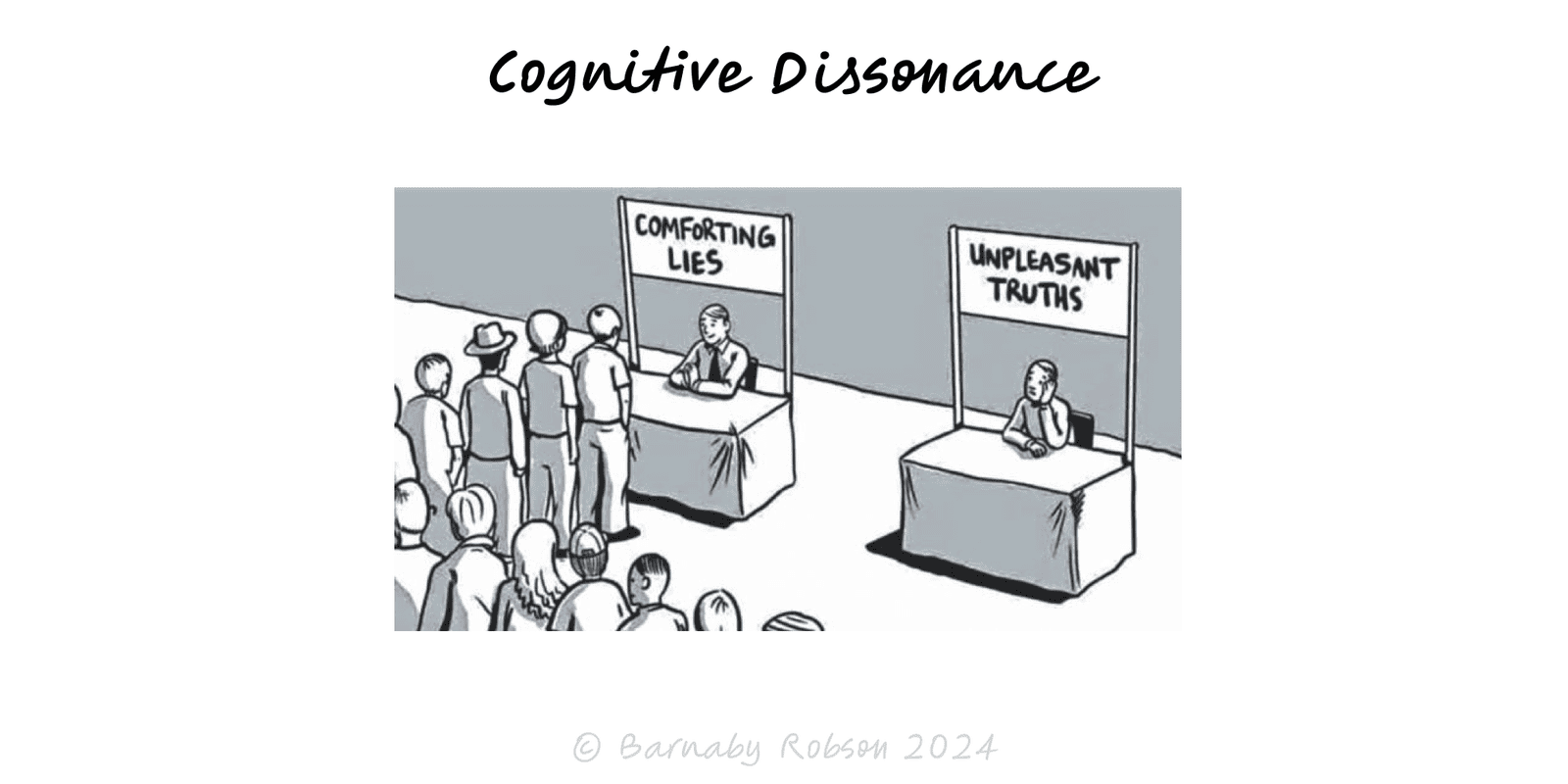

Festinger’s insight: when beliefs and actions clash, we rationalise.
Leon Festinger (1957)
Festinger’s theory explains why people resolve conflicts between what they believe and what they do. Classic findings: people paid less to advocate a boring task later rated it more interesting (insufficient justification), people value outcomes more after costly effort (effort justification), and after choosing between similar options we later inflate the one we picked (post-decision rationalisation).
Trigger – perceived inconsistency (belief ↔ action, self-image ↔ evidence) creates aversive arousal.
Reduction routes –
When it spikes – free choice, public/irreversible commitments, high effort, identity-relevant beliefs, weak external justification.
Predictions – the greater the dissonance and the weaker the external reason, the larger the attitude change.
Change management – align new behaviours with identity; make early wins public and reversible commitments easy.
Customer onboarding – reduce post-purchase dissonance with quick value, social proof, and no-hassle reversibility.
Compliance & ethics – expose hypocrisy gently (values vs actions) and offer a face-saving corrective path.
Learning & coaching – surface conflicts (“you say X, you do Y”), set small voluntary actions to realign.
Marketing & advocacy – foot-in-the-door: small, freely chosen actions first, then larger ones.
Map likely conflicts – belief X vs behaviour Y; note where commitments are public/irreversible.
Make the first step voluntary and small – freely chosen micro-behaviours seed attitude change (then escalate).
Provide coherent narratives post-action – give people language that reconciles the change with their identity.
Lower post-decision regret – fast time-to-value, easy returns/pauses, clear “why you chose well” reminders.
Use effort wisely – meaningful, self-endorsed effort strengthens commitment; avoid coercion which backfires.
Instrument – track pre/post attitude, regret, and continuation; adjust where dissonance is harmful.
Manipulation risk – coercion or shame can create reactance; prefer voluntary, reversible steps.
External-reward trap – heavy incentives buy behaviour without attitude change; compliance collapses when rewards stop.
Identity threats – direct attacks on self-image entrench beliefs; use “steel-man + add one insight” instead.
Cultural & individual differences – what counts as “dissonant” varies; test messages with real audiences.
Moral licensing – one good act used to justify a bad one; design consistent follow-ups.
Click below to learn other mental models
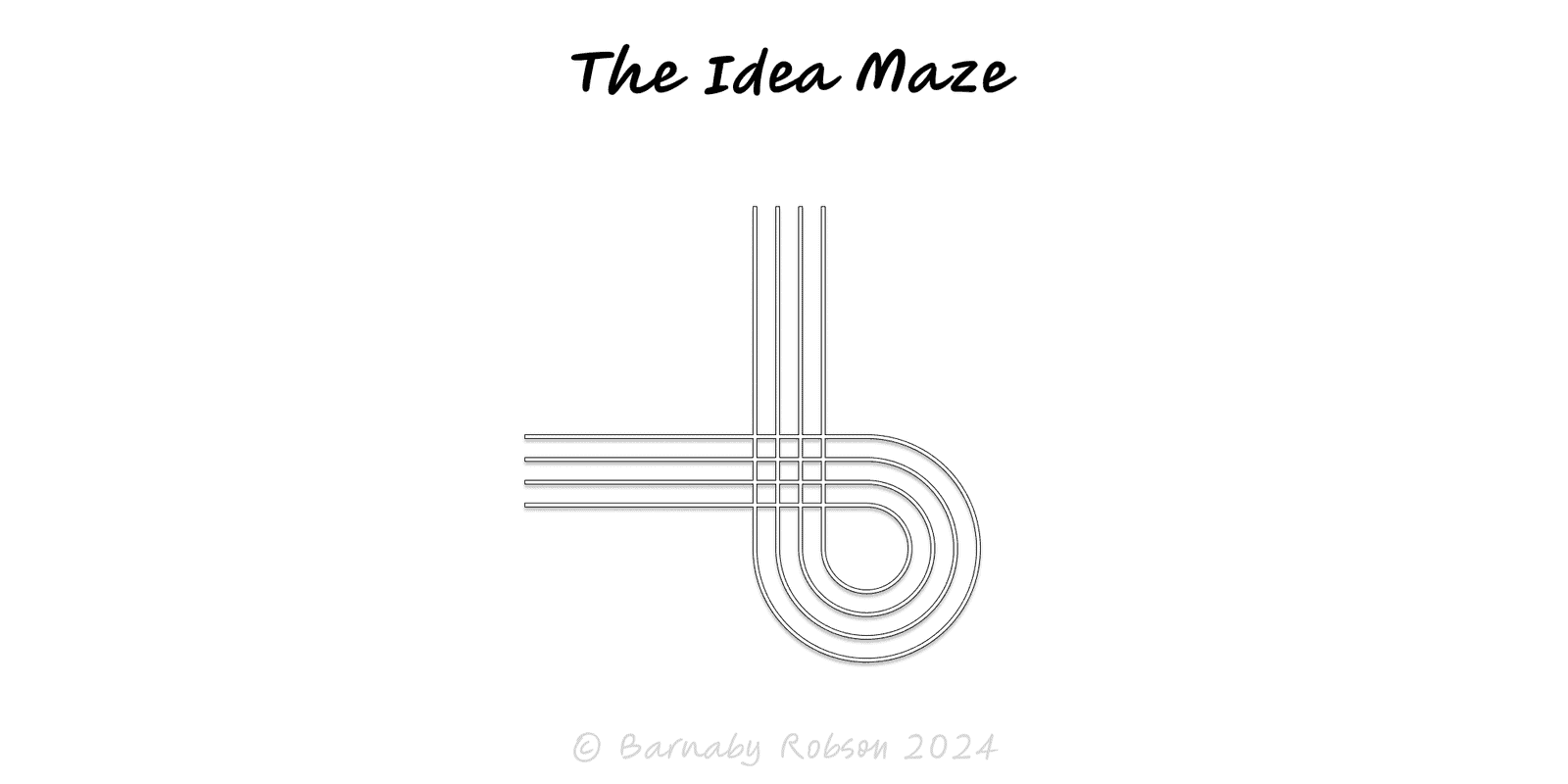
Before building, map the space: the key forks, dead ends and dependencies—so you can choose a promising path and run smarter tests.
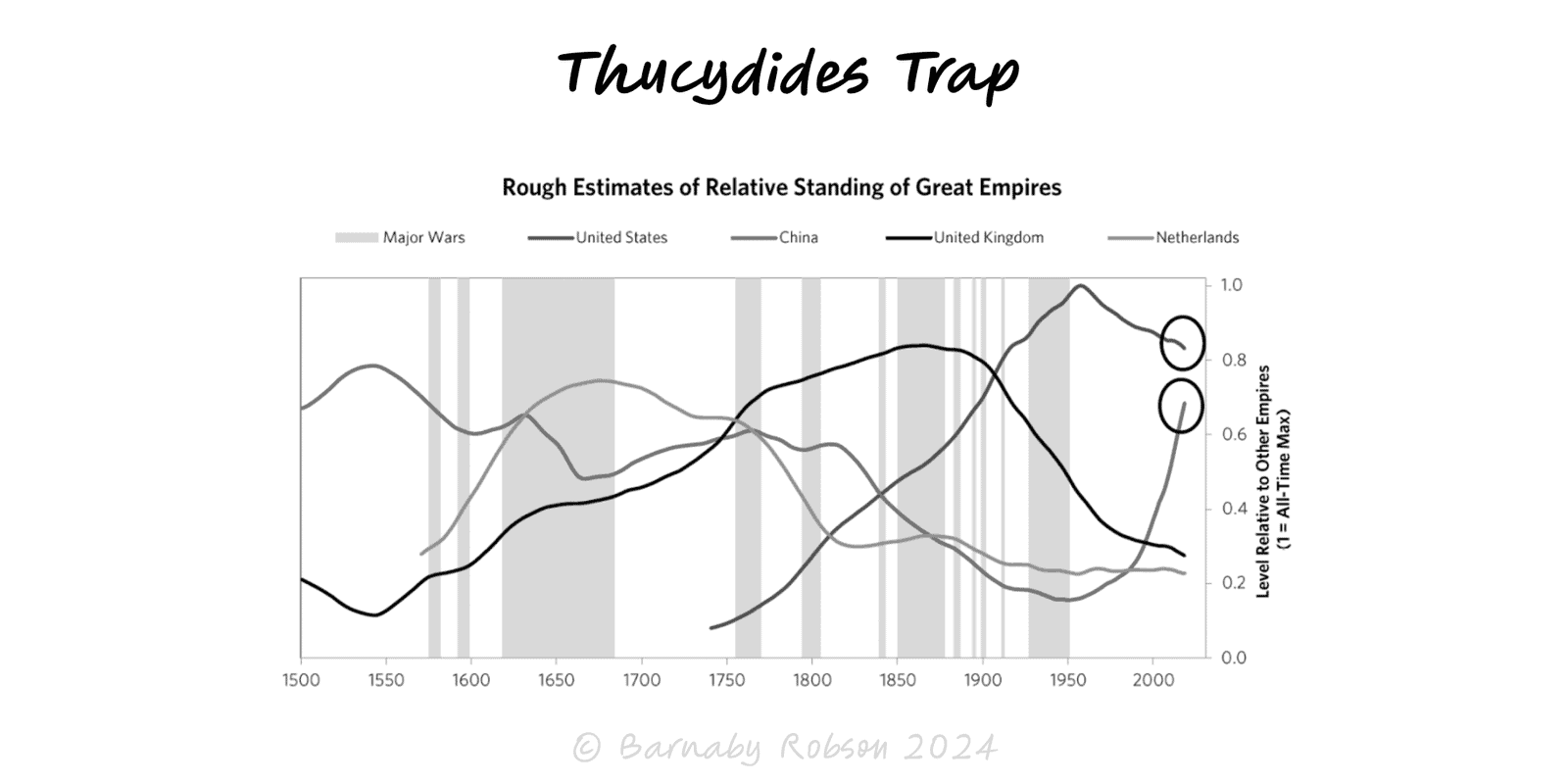
When a rising power threatens to displace a ruling power, fear and miscalculation can tip competition into conflict unless incentives and guardrails are redesigned.
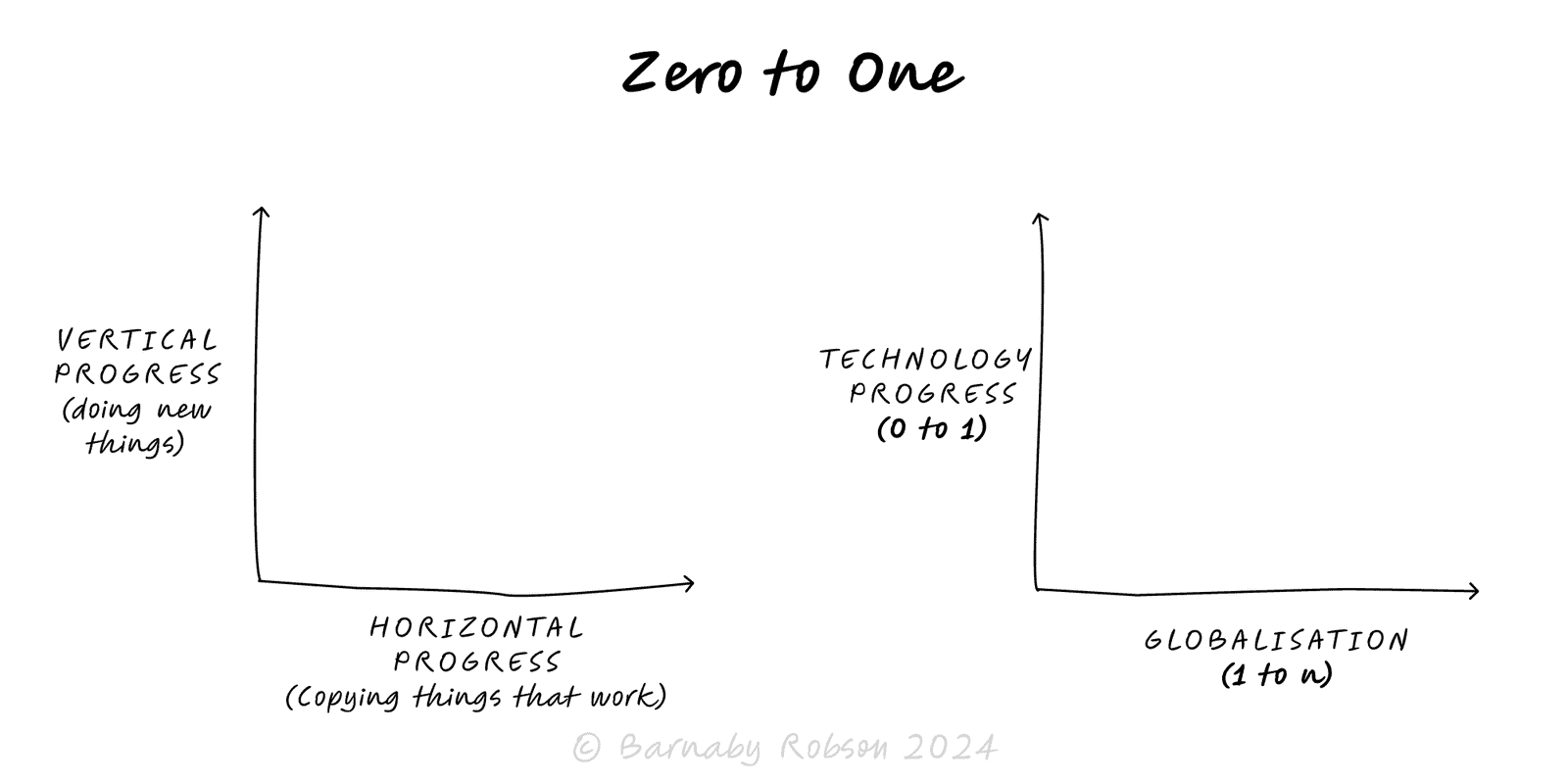
Aim for vertical progress—create something truly new (0 → 1), not just more of the same (1 → n). Win by building a monopoly on a focused niche and compounding from there.