Catalysts

Triggers that accelerate a reaction or strategy without being consumed—partnerships, regulation, or technology shocks.

Author

General usage; metaphor from chemistry (reaction-rate catalysts) applied to strategy, growth and finance


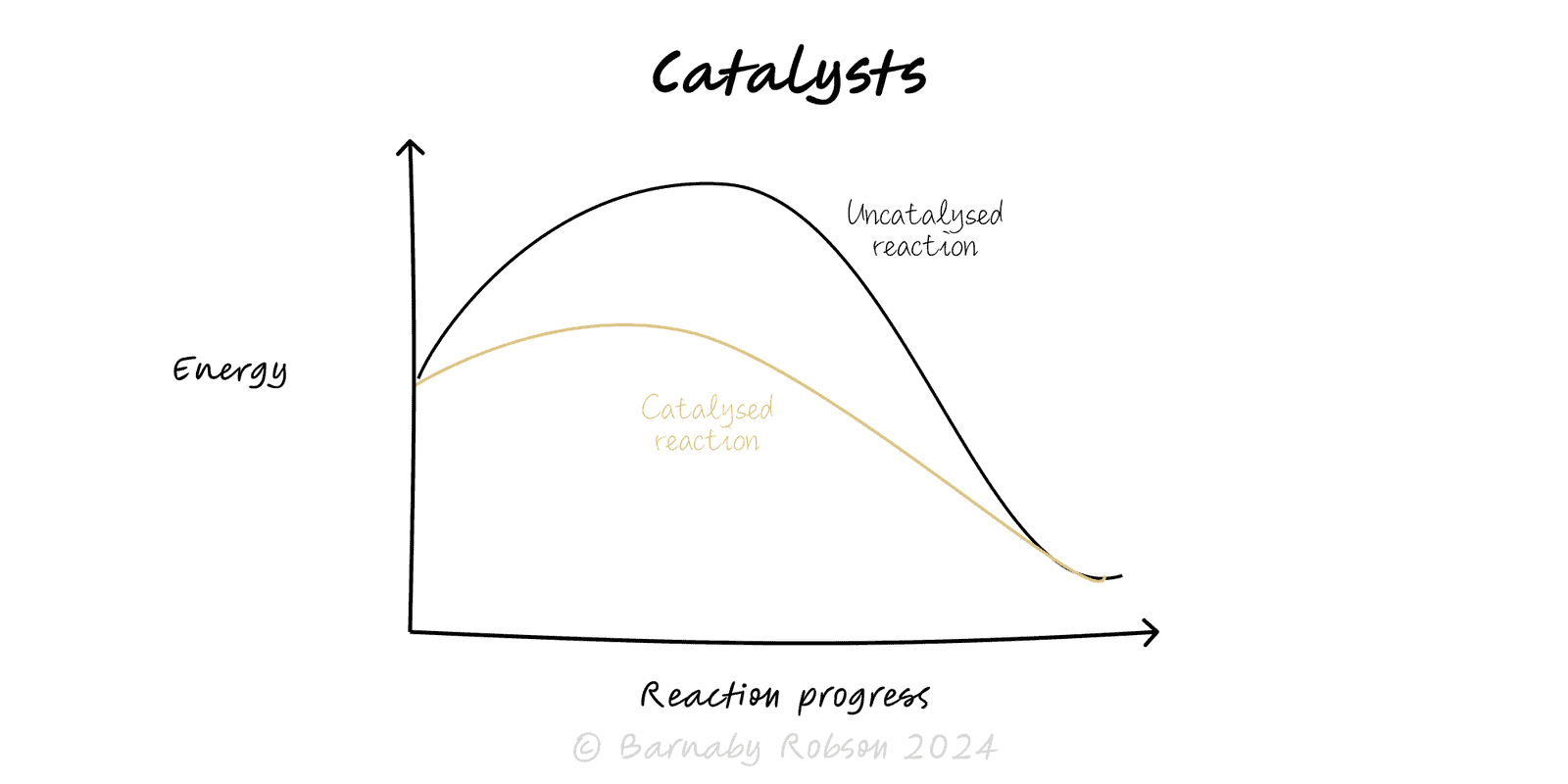
In chemistry a catalyst speeds a reaction by lowering its activation energy and isn’t consumed. Strategically, catalysts are events or levers that make adoption, revenue or valuation move faster—a standards win, a key partnership, new regulation, a press moment, or a platform change. Catalysts don’t replace fundamentals; they unlock them by easing a rate-limiting step.

How it works


Rate-limiting step – every system has a slowest stage; catalysts target this choke point.

Lower activation energy – reduce effort, risk or uncertainty so the next action becomes easy.

Raise reaction energy – add impetus: urgency, attention, incentives, or distribution.

Right substrate – catalysts work only if the underlying offer and timing are ready.

Stacked effects – multiple small catalysts (e.g., certification + integration + PR) often beat one big push.

Positive vs negative – some events catalyse decline (breach, policy change); manage exposure.

Use-cases


Product/GTM – app-store feature, SOC-2/ISO certification removing enterprise blockers, a native integration that opens a channel, pricing/promo windows.

Growth loops – referral incentives, creator partnerships, bundles, “works-with-X” badges.

Market strategy – regulatory shifts that mandate adoption, standards wins, ecosystem partnerships.

Finance & exits – earnings beats, guidance changes, pilot wins, large contracts, clinical readouts, approval decisions (classic stock “catalysts”).

Org change – leadership reset, incentive redesign, a deadline with clear stakes.

Pitfalls & Cautions


Confusing catalyst with cause – spikes without fundamentals don’t last.

Wrong substrate – poor product–market fit means the spark fizzles.

One-and-done – attention fades; plan follow-ups that convert into retention and referrals.

Capacity choke – surge reveals bottlenecks; prepare buffers and playbooks.

Perverse incentives – promos that attract the wrong customers or train discount expectations.

Regulatory & reputation risk – forced attention can be negative; scenario-plan both directions.


Recent Mental Models

Click below to learn other mental models

  • The Idea Maze

    The Idea Maze

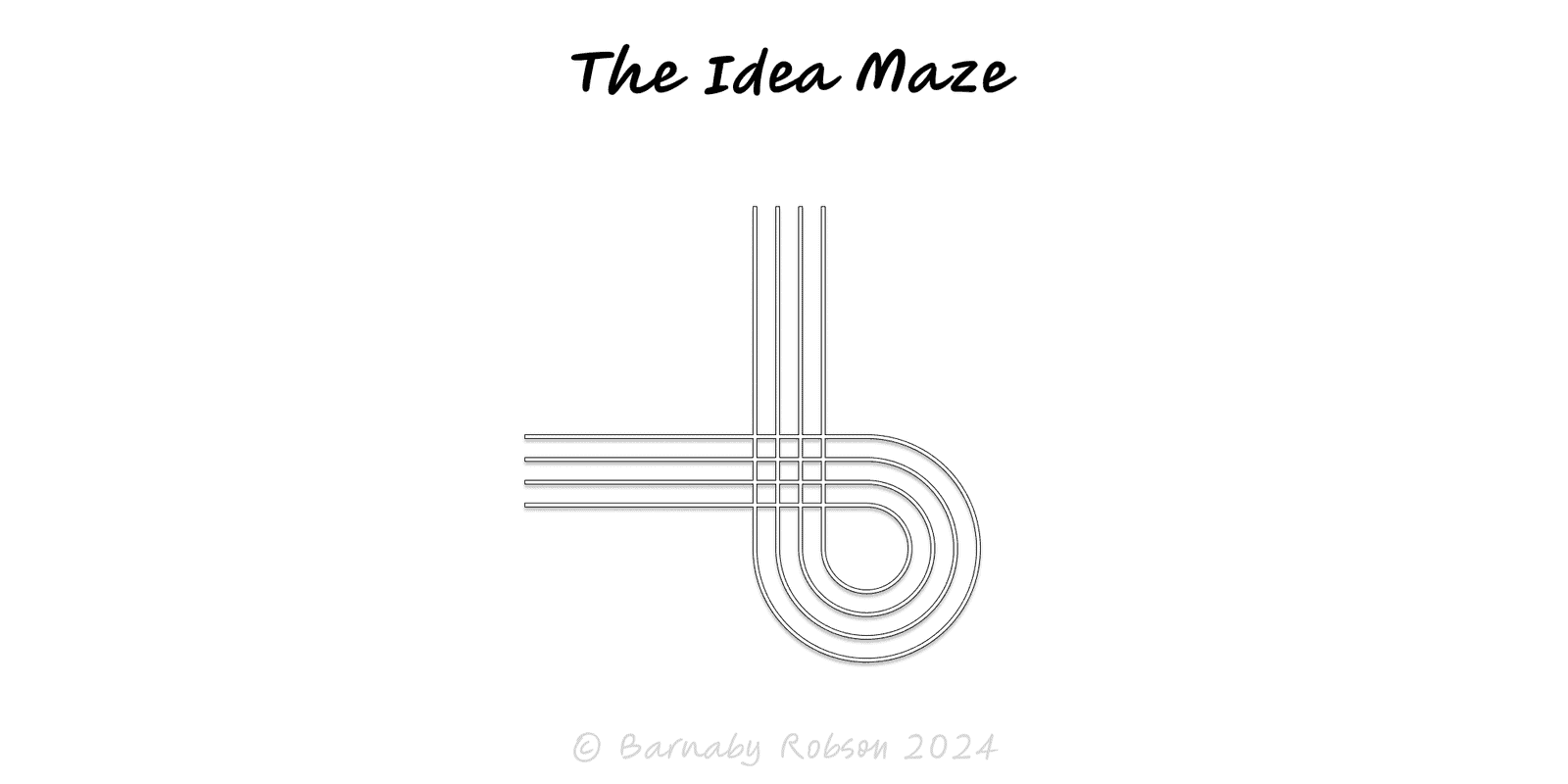
    Before building, map the space: the key forks, dead ends and dependencies—so you can choose a promising path and run smarter tests.

  • Thucydides Trap

    Thucydides Trap

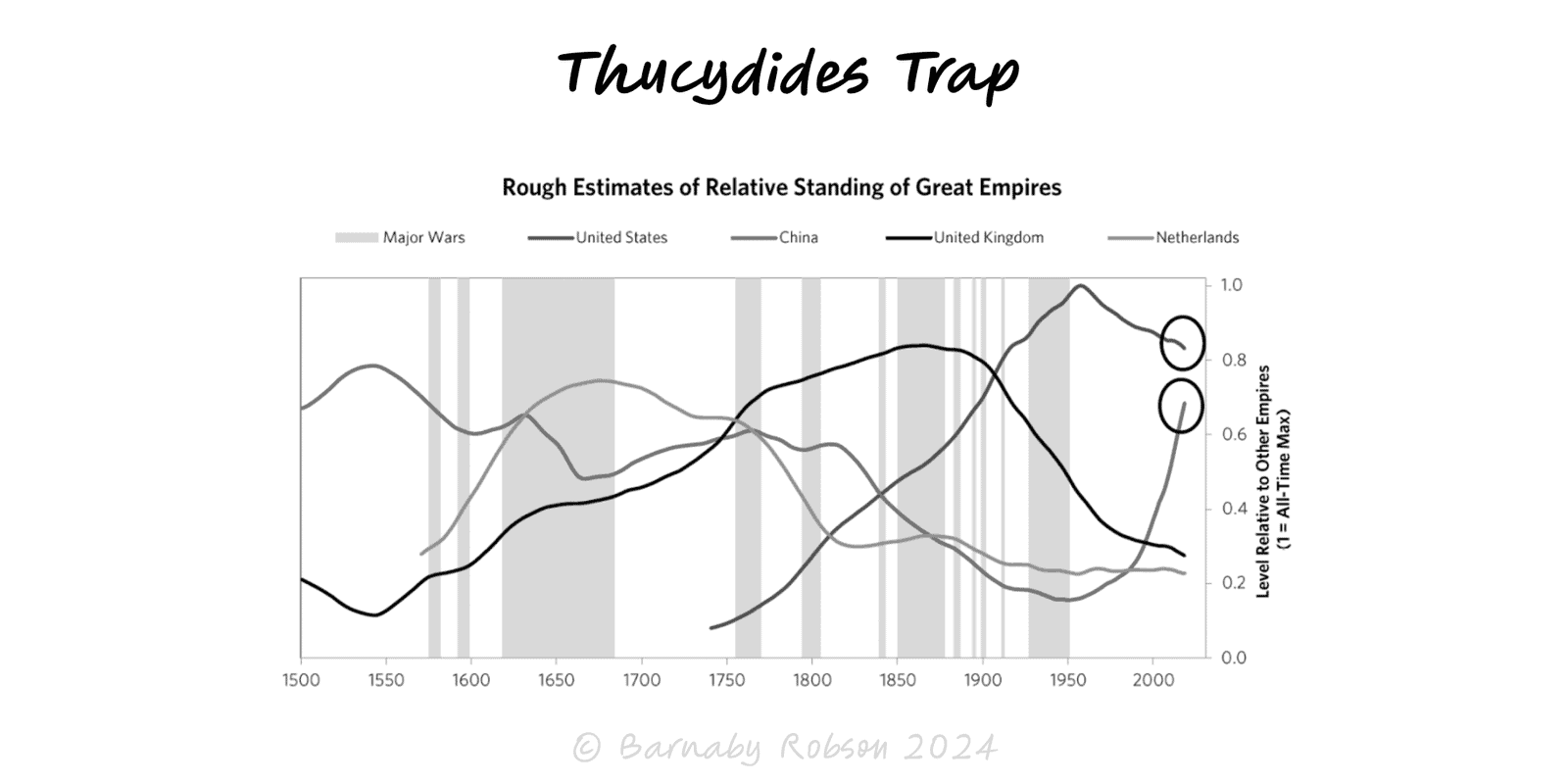
    When a rising power threatens to displace a ruling power, fear and miscalculation can tip competition into conflict unless incentives and guardrails are redesigned.

  • Zero to One

    Zero to One

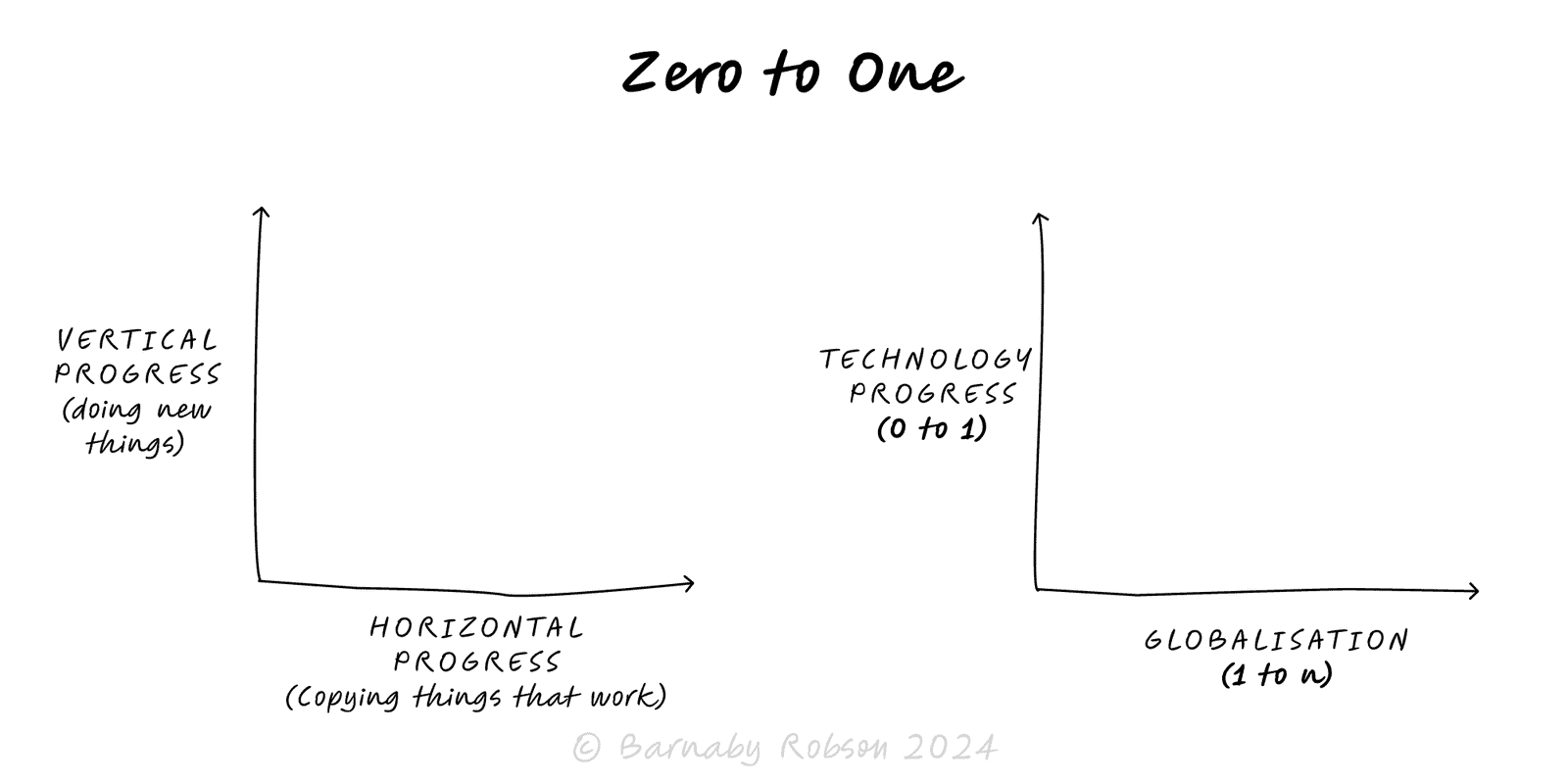
    Aim for vertical progress—create something truly new (0 → 1), not just more of the same (1 → n). Win by building a monopoly on a focused niche and compounding from there.