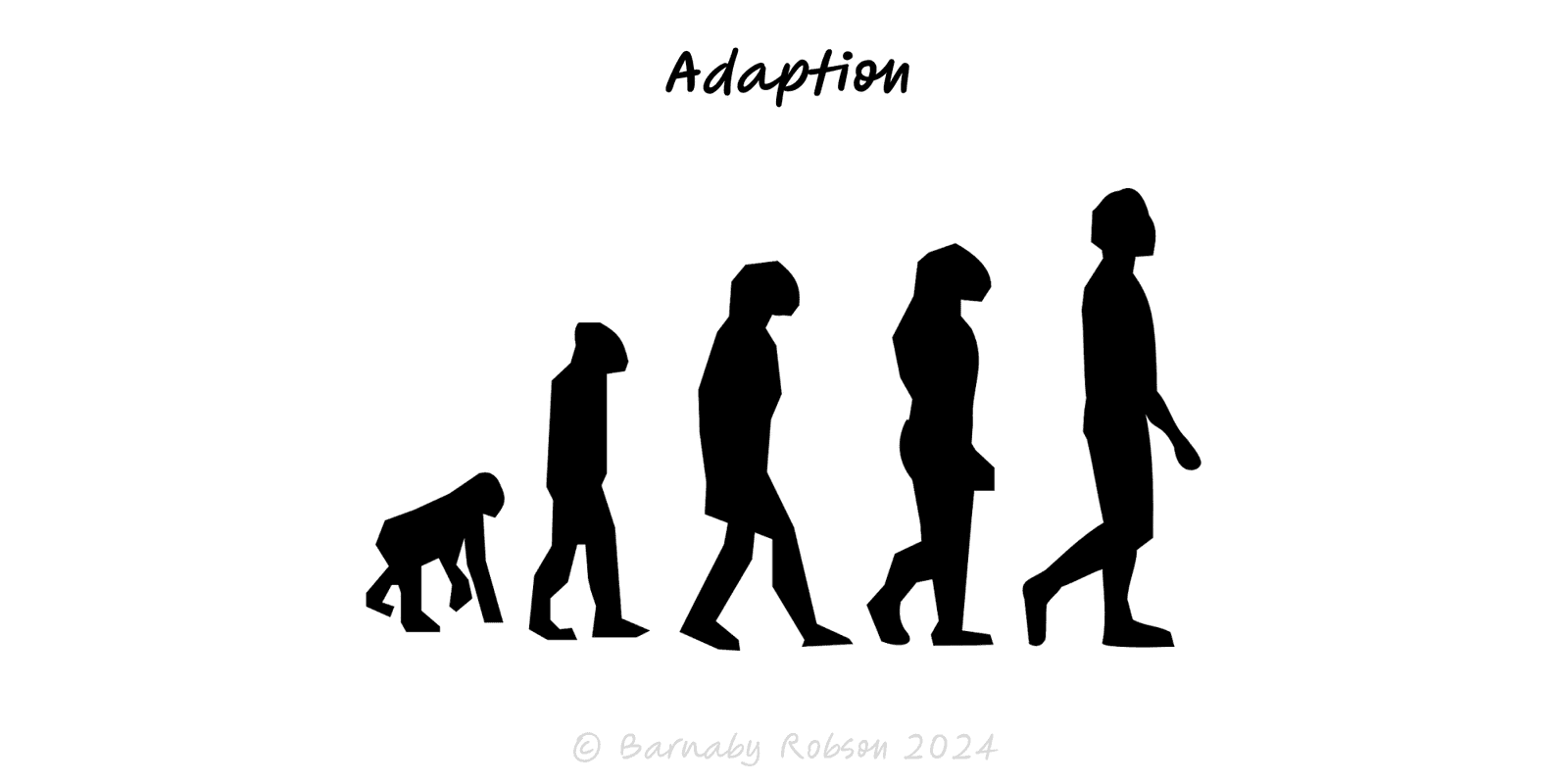
Adaptation

Improve fit to a changing environment by shortening feedback loops, trying small bets, and keeping options open.

Author

General usage; roots in evolutionary theory, cybernetics (W. Ross Ashby), and organisational learning (James March)


Adaption (adaptation) is the capability to change in response to feedback from the environment. In organisations it means sensing what’s shifting, experimenting safely, and updating products, processes and structures so the system’s fitness improves over time. It privileges learning speed and option value over perfect plans.

How it works


Sense → decide → act (loops) – faster, tighter loops (OODA) raise learning rate.

Variation → selection → retention – run small, diverse probes; keep what works, drop the rest.

Exploration vs exploitation – balance new options with scaling what already works.

Requisite variety – your response set must match environmental variety (Ashby).

Modularity & loose coupling – change parts without breaking the whole; reduce blast radius.

Optionality – reversible, low-cost moves first; preserve the right to scale.

Simple rules – a few guardrails beat heavy plans in uncertainty.

Use-cases


Product strategy – discovery sprints, A/B tests, iterative roadmaps.

Operating model – pilot new processes, local autonomy with standards.

Hiring & teams – T-shaped skills, redundancy in key roles, cross-training.

Supply chain & risk – dual sourcing, buffers, scenario triggers.

Personal growth – short feedback cycles for skills and habits.

Pitfalls & Cautions


Overfitting – tuning to a transient signal; validate against multiple cohorts/periods.

Whiplash – changing too often without guardrails; set decision windows and thresholds.

Path dependence – architecture or incentives that make change expensive; pay down coupling.

All explore, no exploit – novelty without scale; protect core delivery capacity.

Heroics over systems – relying on effort instead of structural enablers (automation, modularity, metrics).

Recent Mental Models

Click below to learn other mental models

  • The Idea Maze

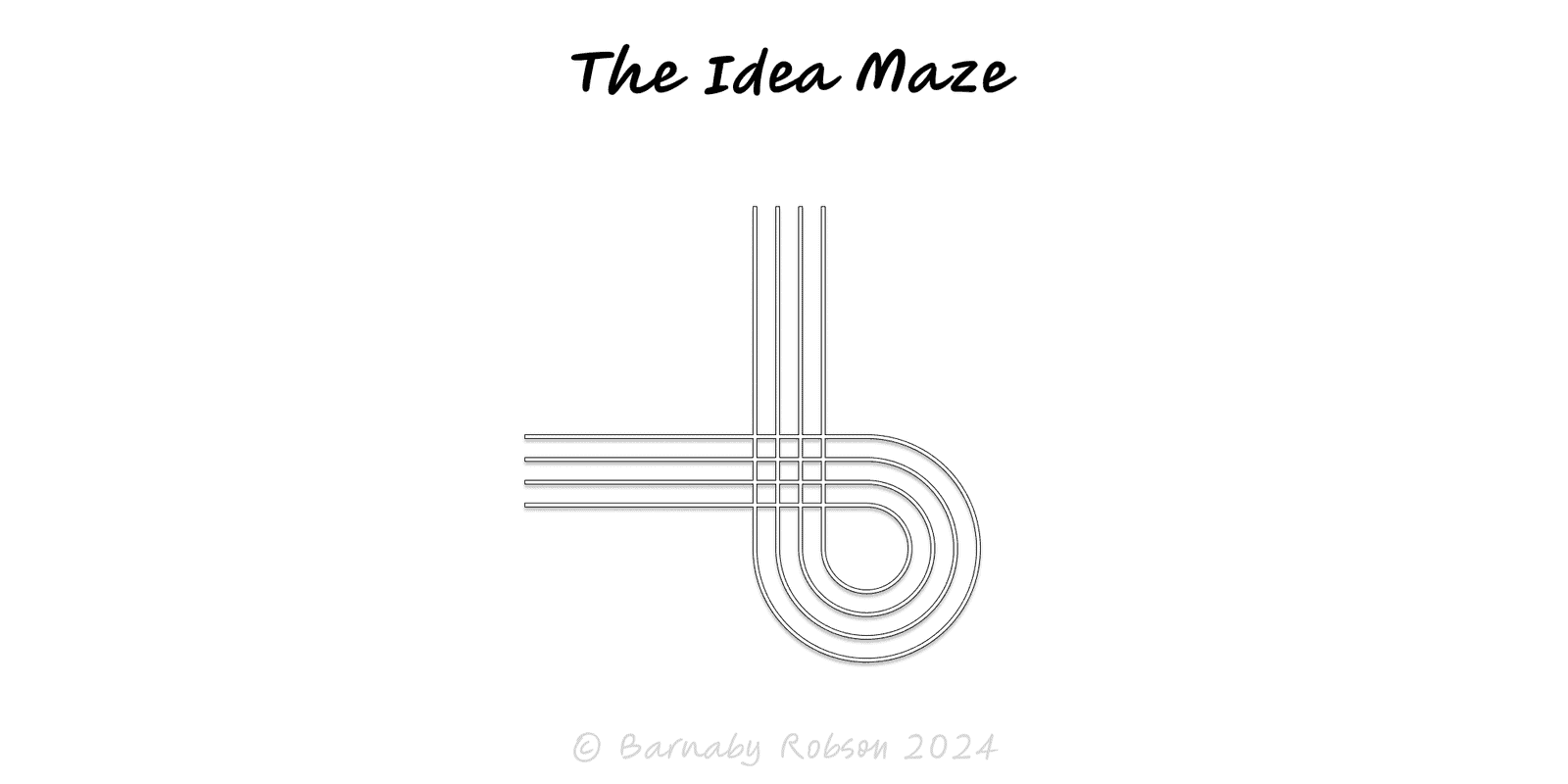
    The Idea Maze

    Before building, map the space: the key forks, dead ends and dependencies—so you can choose a promising path and run smarter tests.

  • Thucydides Trap

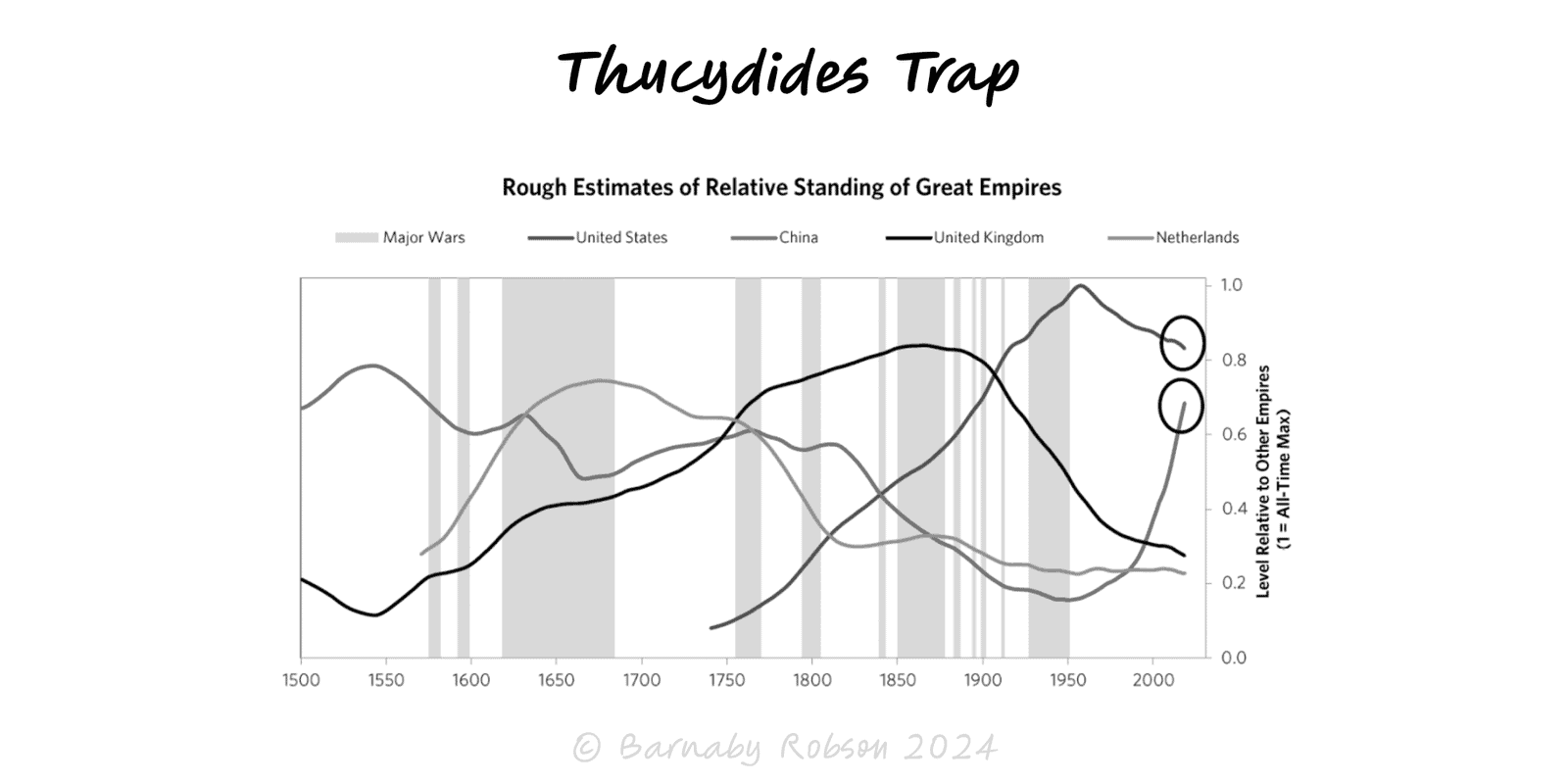
    Thucydides Trap

    When a rising power threatens to displace a ruling power, fear and miscalculation can tip competition into conflict unless incentives and guardrails are redesigned.

  • Zero to One

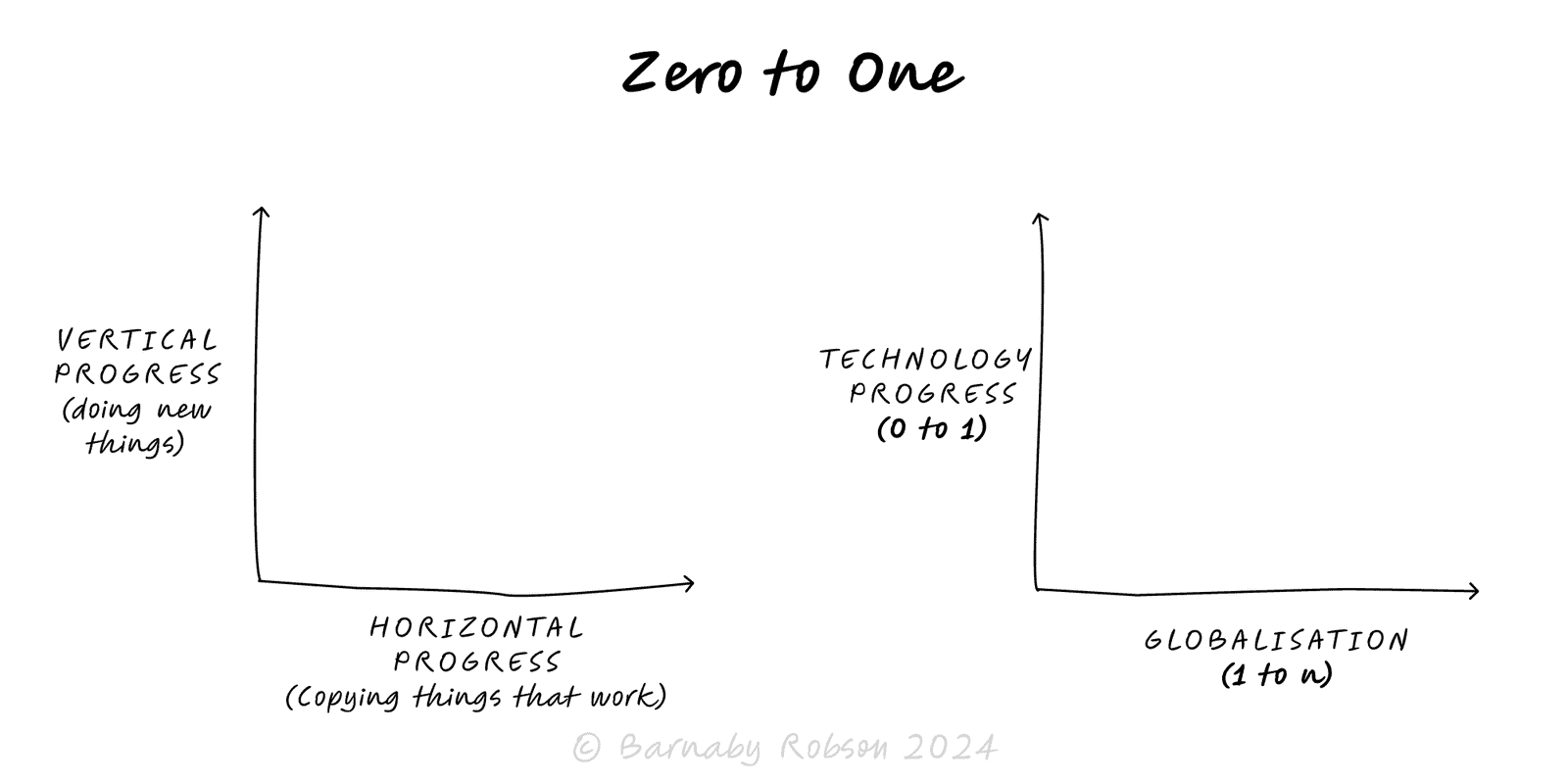
    Zero to One

    Aim for vertical progress—create something truly new (0 → 1), not just more of the same (1 → n). Win by building a monopoly on a focused niche and compounding from there.