Activation Energy
Borrowed from chemistry and habit design: reduce the upfront effort to make the desired action easier than the default.
Author
General usage; applied in behaviour design (BJ Fogg) and habit formation (James Clear)
Model type
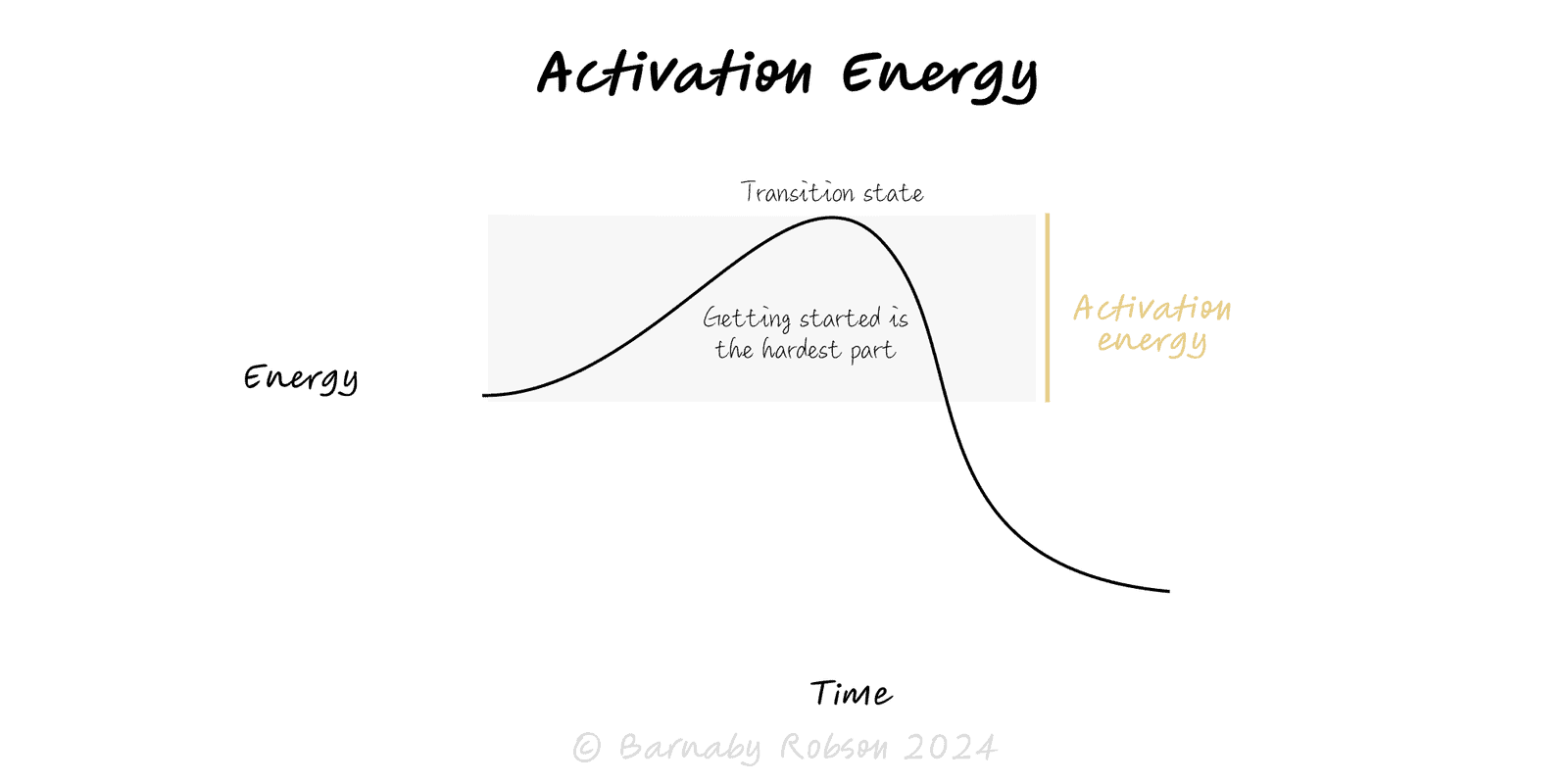

Borrowed from chemistry and habit design: reduce the upfront effort to make the desired action easier than the default.
General usage; applied in behaviour design (BJ Fogg) and habit formation (James Clear)
Borrowed from chemistry, activation energy is the threshold needed to start a reaction. In work, products and habits, tiny upfront barriers (time, steps, uncertainty) often stop action. Design the environment so the first step is effortless for the behaviour you want, and slightly harder for what you don’t.
Focus on the first step – people do what’s easy now; make the opening move friction-free.
Locate friction – time, clicks/fields, cognitive load, uncertainty, payment setup, social risk, physical effort.
Lower activation energy (do more) – defaults and pre-fill, one-click, saved payments, auto-login, checklists/templates, lay out equipment, tie to an existing habit, immediate small reward.
Raise activation energy (do less) – remove cues, add “speed bumps” (confirmations, delays, higher assurance), uninstall apps, put snacks out of reach, cooling-off periods.
Link to Fogg’s B=MAP – behaviour occurs when motivation, ability (ease) and a prompt coincide; this model targets ability/ease.
Product growth – onboarding, checkout, paywalls, subscription start; reduce fields, show progress, offer apple/google pay.
Habits and performance – gym clothes by the door, two-minute writing rule, one-tap focus timer.
Organisation change – make the new process the default, template the doc, one-link access, auto-enrolled training.
Risk management – extra friction for high-risk actions: 2FA, confirmation delays, maker–checker.
Define the behaviour and the smallest first action (two-minute version).
Map the current journey; list friction by category (time, steps, uncertainty, effort, cost).
Remove three frictions and add one instant reward for the desired action.
Add speed bumps to the undesired path (cool-offs, extra confirmation, physical distance).
Instrument and test – measure time-to-first-action, completion, drop-offs, and retention.
Systemise – bake into defaults, templates, automation; review quarterly as friction creeps back.
Optimising the wrong thing – if value is unclear, shaving clicks won’t help.
Trust erosion – making cancellation hard boosts churn later; avoid dark patterns.
Safety and compliance – too little friction can increase error or fraud; add guardrails on high-risk flows.
One-off clean-up – friction returns as products/processes accrete; schedule regular pruning.
Shifting burden – local ease that creates downstream work for someone else.
Click below to learn other mental models
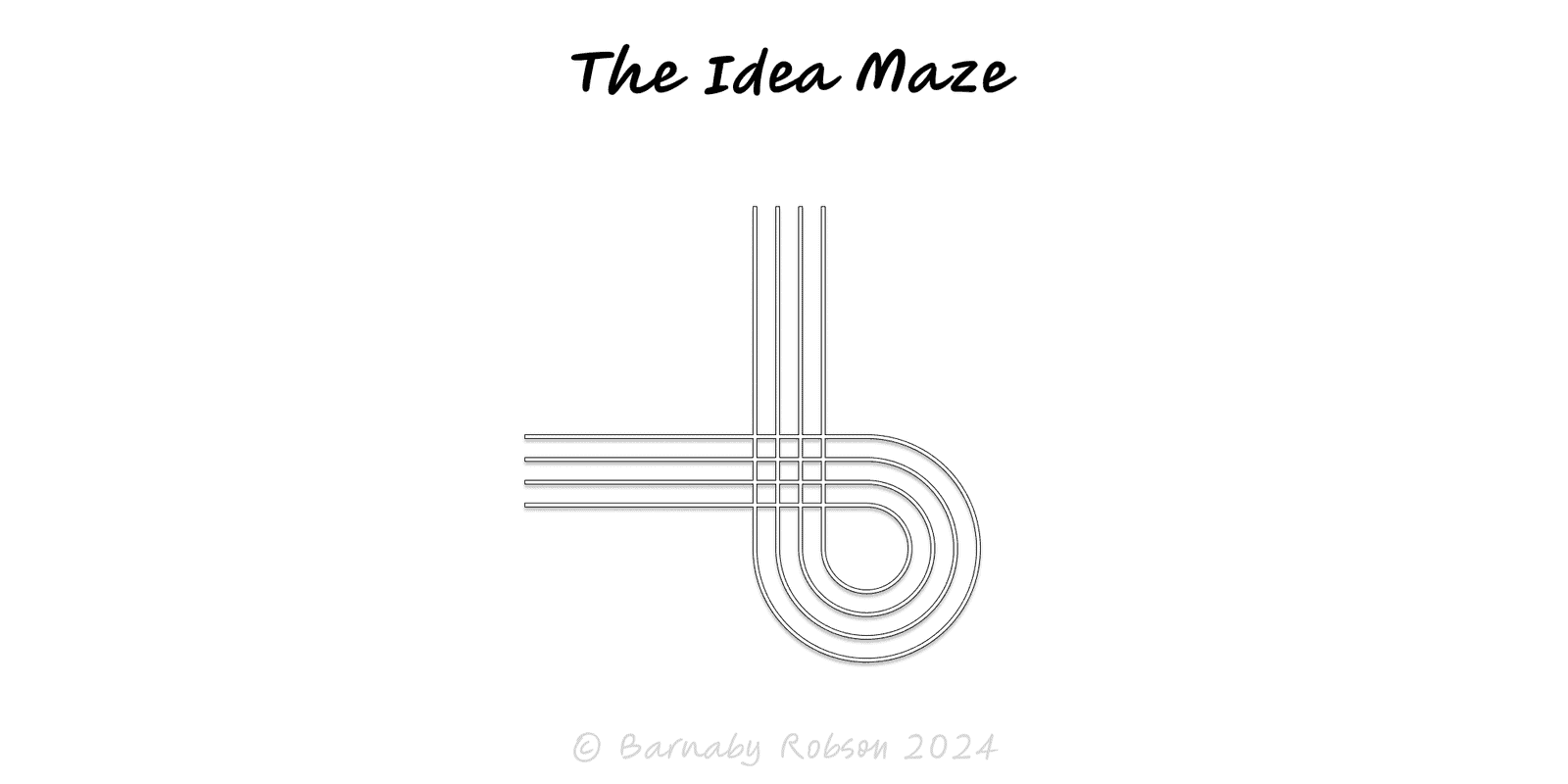
Before building, map the space: the key forks, dead ends and dependencies—so you can choose a promising path and run smarter tests.
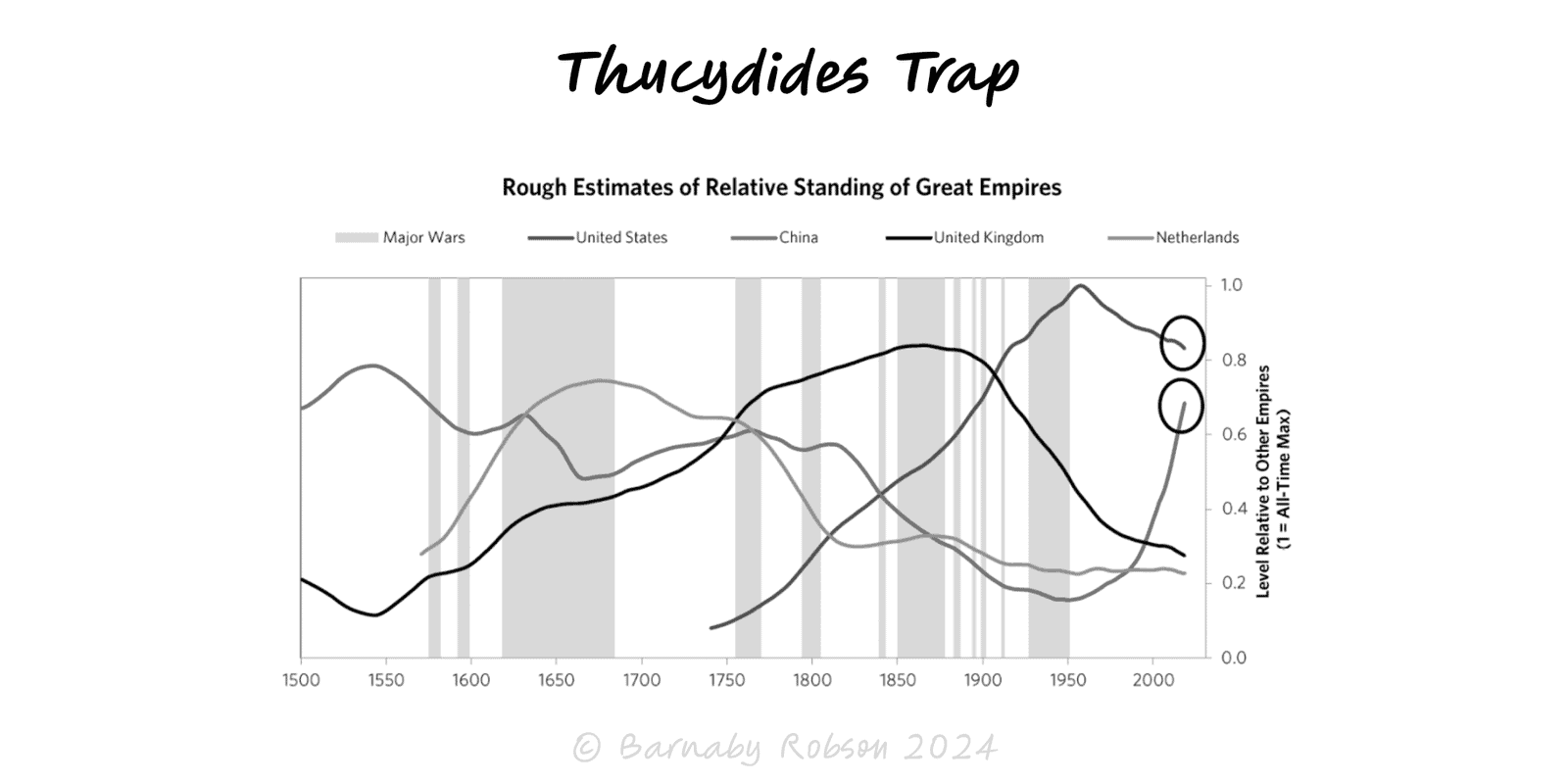
When a rising power threatens to displace a ruling power, fear and miscalculation can tip competition into conflict unless incentives and guardrails are redesigned.
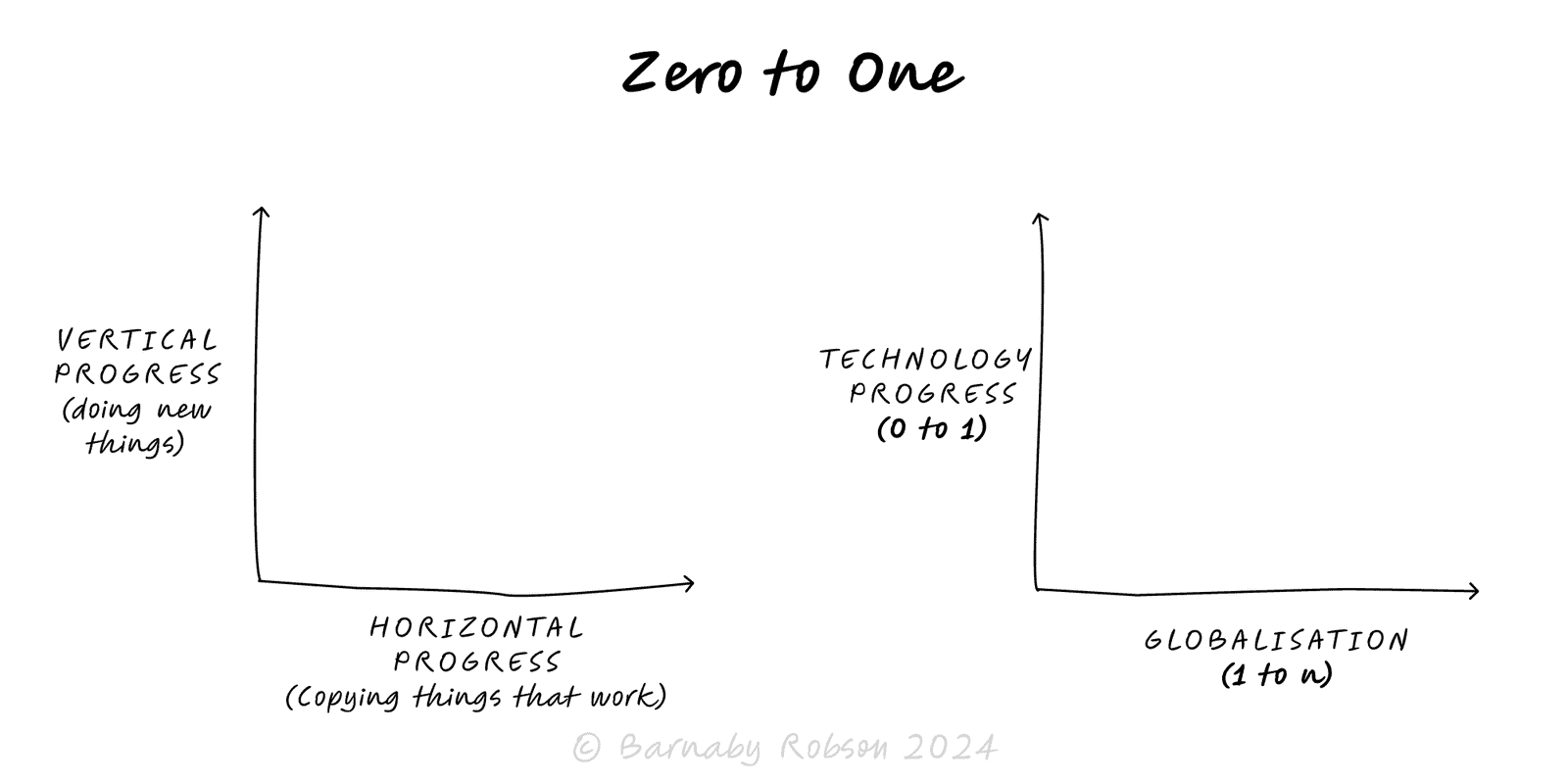
Aim for vertical progress—create something truly new (0 → 1), not just more of the same (1 → n). Win by building a monopoly on a focused niche and compounding from there.