Sense → decide → act (loops) – faster, tighter loops (OODA) raise learning rate.
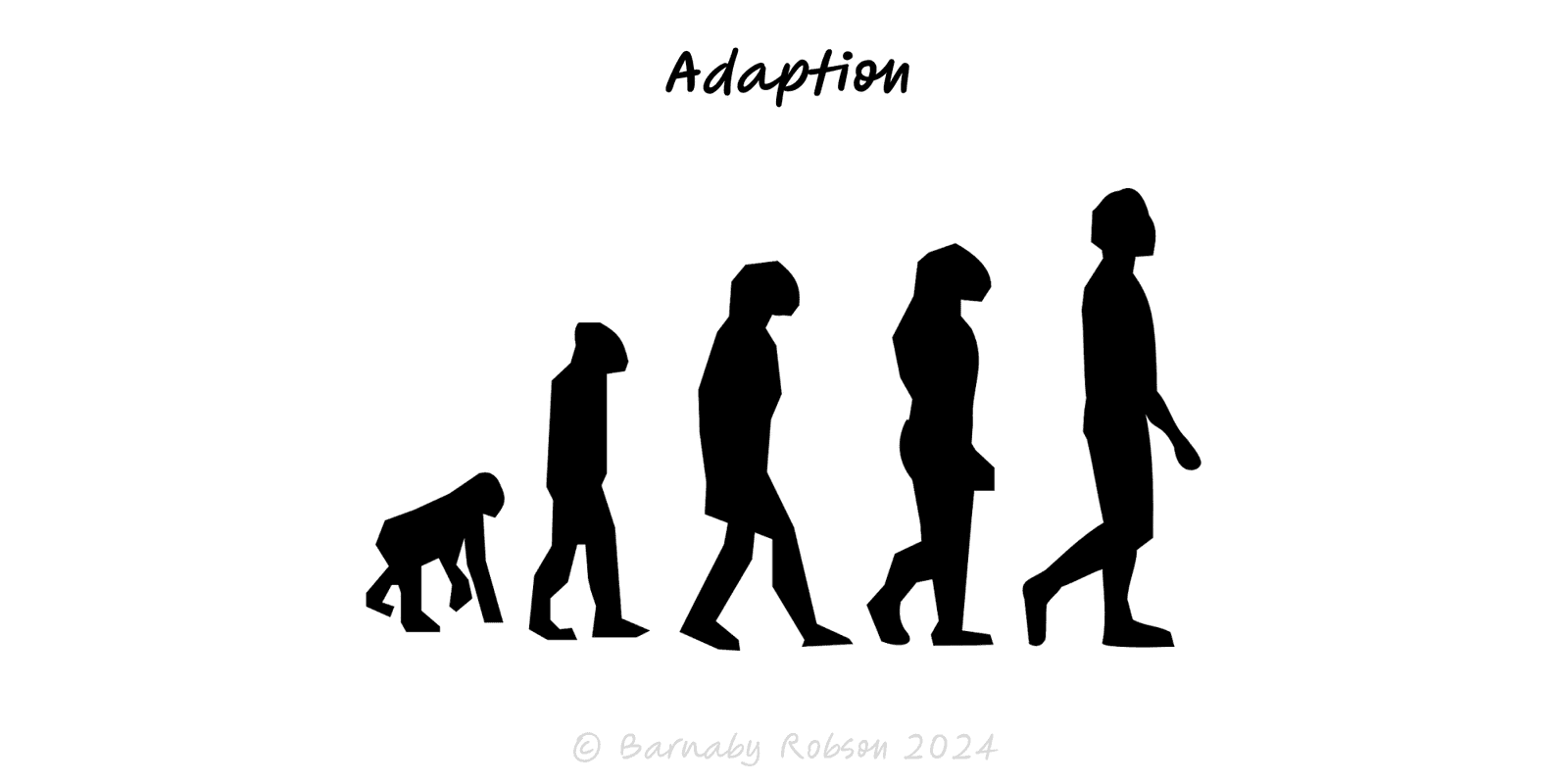
Variation → selection → retention – run small, diverse probes; keep what works, drop the rest.
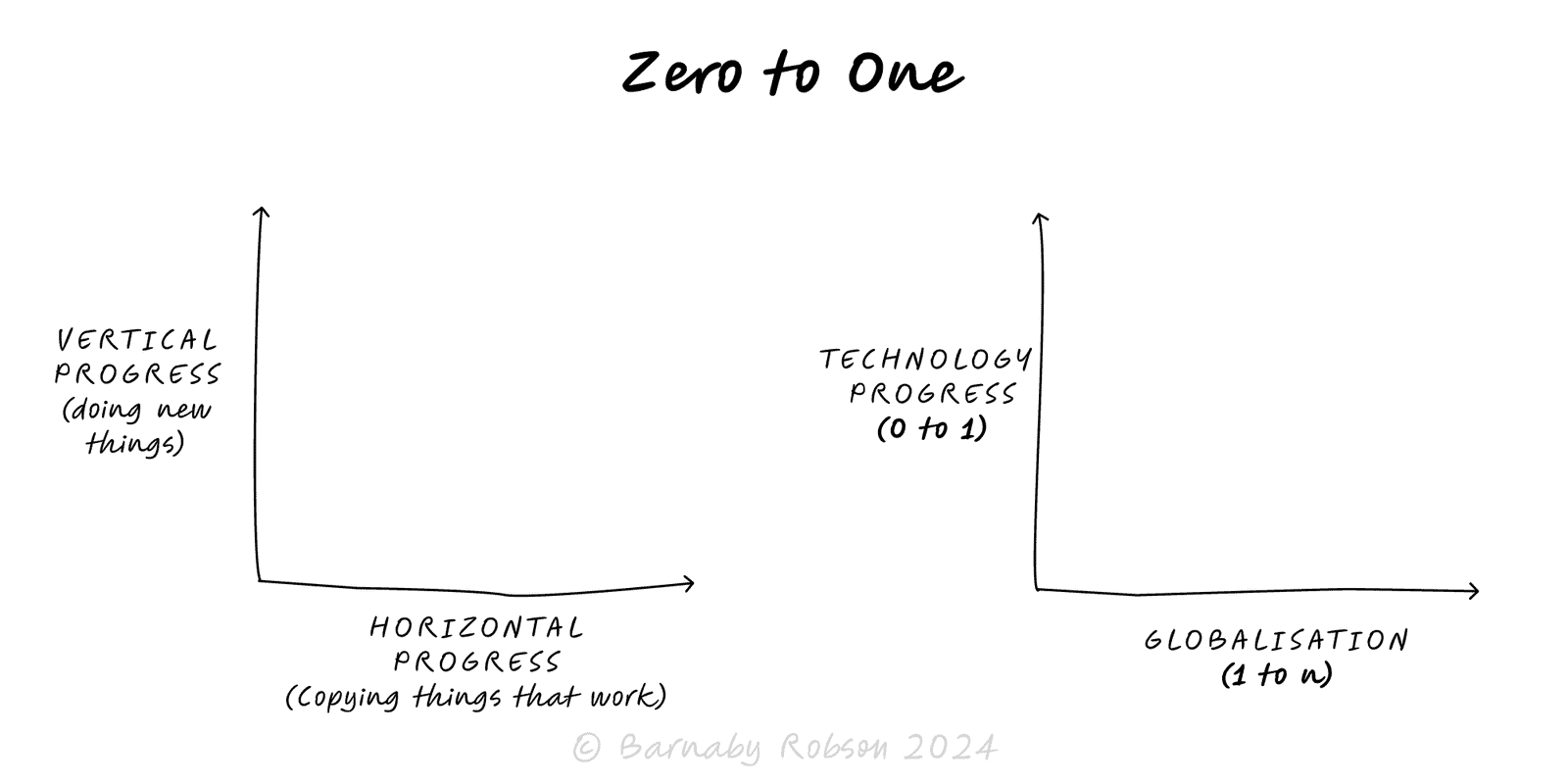
Exploration vs exploitation – balance new options with scaling what already works.
Requisite variety – your response set must match environmental variety (Ashby).
Modularity & loose coupling – change parts without breaking the whole; reduce blast radius.
Optionality – reversible, low-cost moves first; preserve the right to scale.
Simple rules – a few guardrails beat heavy plans in uncertainty.