COPE Framework
Create once, publish everywhere by structuring content and separating it from presentation so one source feeds many channels.
Author
NPR Digital (Daniel Jacobson, 2009 – popularised)
Model type
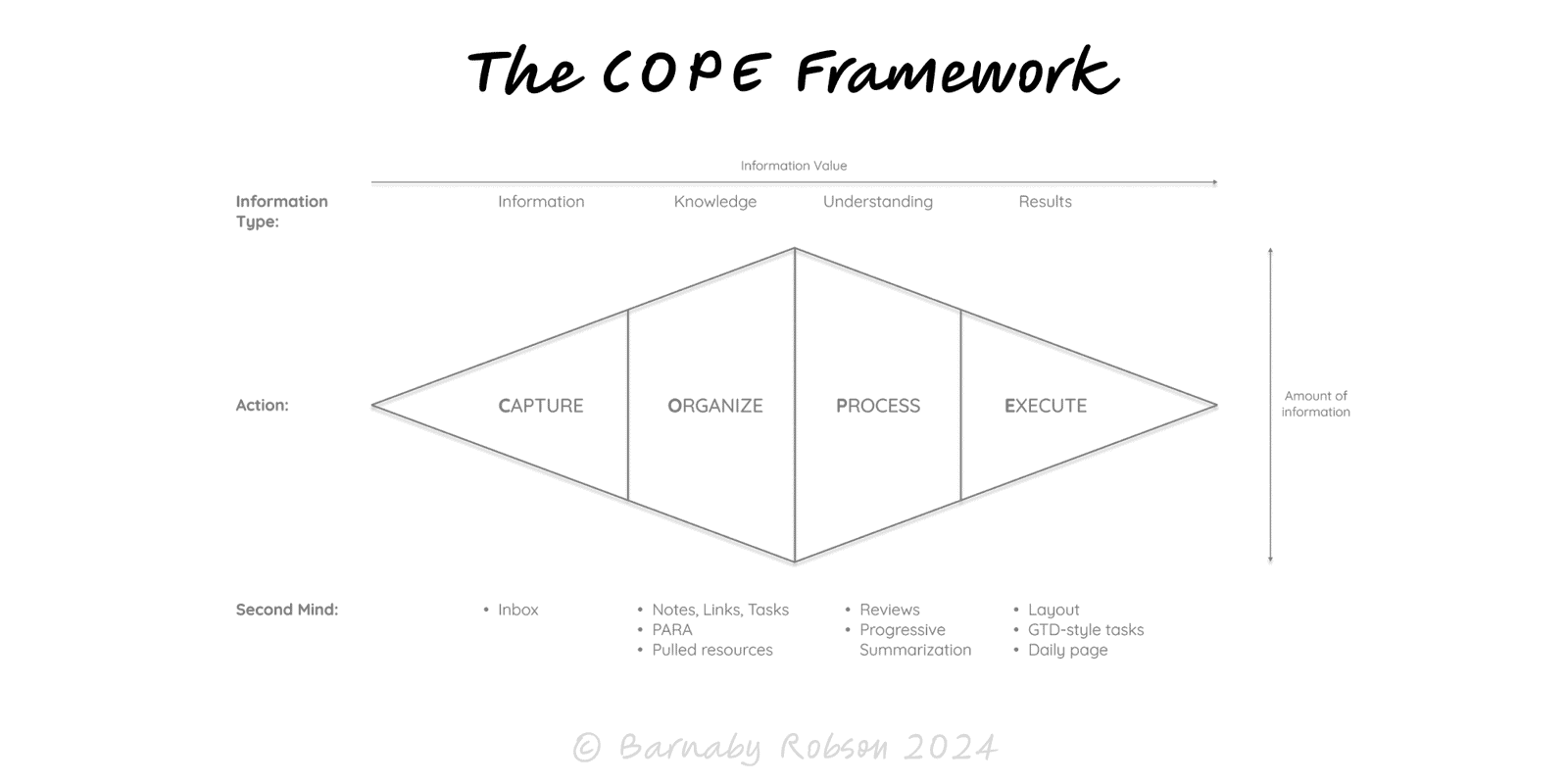

Create once, publish everywhere by structuring content and separating it from presentation so one source feeds many channels.
NPR Digital (Daniel Jacobson, 2009 – popularised)
COPE turns content into structured, channel-agnostic assets. Instead of formatting for a single page, you model content into fields (headline, dek, body blocks, media, metadata) and render it through templates per channel (web, email, app, social, partners). The result is faster publishing, consistent branding, and fewer copy-paste errors.
Content model – define types and fields (e.g., Article, Mental Model, Visual; title, excerpt, author, sections, image, tags).
Single source of truth – store canonical content once; everything else consumes from it.
Separation of concerns – writers edit fields; channels render via templates or components.
Variants & metadata – short/long summaries, social titles, alt text, canonical URL, locale.
APIs/feeds – expose JSON/RSS or use a headless CMS pattern to syndicate.
Workflow & governance – status, roles, checklists; scheduled updates and expiries.
Instrumentation – track reuse rate, time-to-publish, and error/rollback rates.
Multi-channel publishing (web, app, email, social, partner embeds).
Programmatic SEO at scale with consistent fields.
Knowledge bases and documentation with reuse across products.
E-commerce/product pages syndicated across locales and marketplaces.
Localisation: one source, many language variants.
Inventory & atomise – list your content types; split into reusable fields/blocks.
Define the schema – name fields, taxonomies and validation (required, character limits, options).
Separate content from styling – store clean text/media/metadata; push styling into templates/components.
Map target channels – decide outputs (web, email, social cards, partner feed) and the field mapping for each.
Build renderers – templates/components that pull fields and apply channel rules (length, links, CTAs).
Create variants – short/long excerpts, social title/description, image crops, locale fields.
Governance – workflow states (draft → review → publish), ownership, scheduled refresh dates.
Ship a pilot – run one content type end-to-end, measure time-to-publish and reuse rate, then scale.
Instrument – dashboards for reuse, errors, and stale items; tighten rules where breakages occur.
Formatting in the fields – hard-coded HTML/CSS breaks reuse; keep content clean and let templates style it.
Free-text everything – missing structure kills COPE; prefer select lists, references, validated fields.
Forked copies – copy-paste to new posts creates drift; link to the source instead.
Over-normalising – so many tiny fields that authoring becomes painful; keep blocks meaningful.
No metadata – missing alt text, canonical, locale, expiry reduces reach and quality.
One-off channels – special-casing every destination defeats “publish everywhere”; standardise adapters.
Click below to learn other mental models
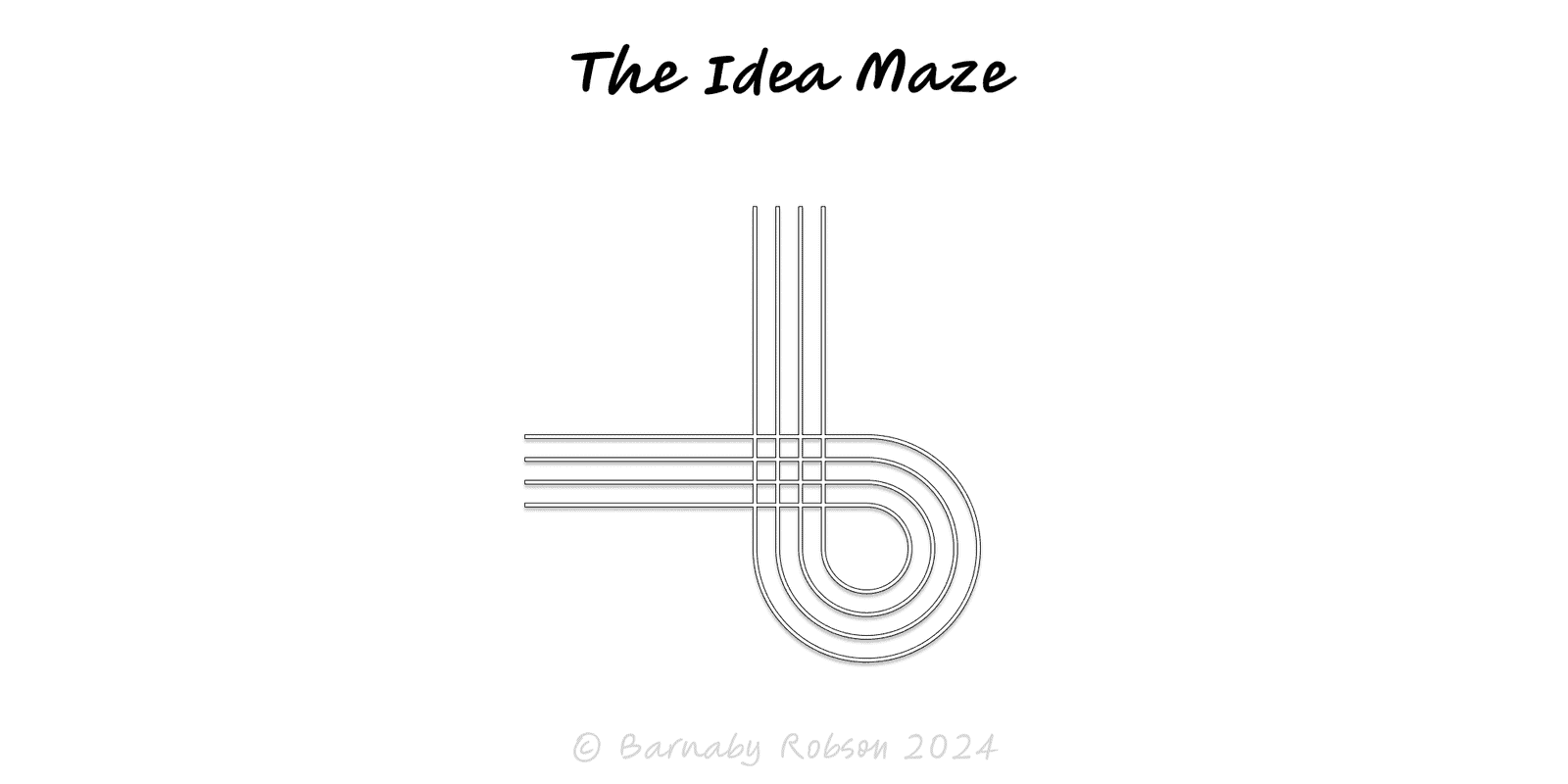
Before building, map the space: the key forks, dead ends and dependencies—so you can choose a promising path and run smarter tests.
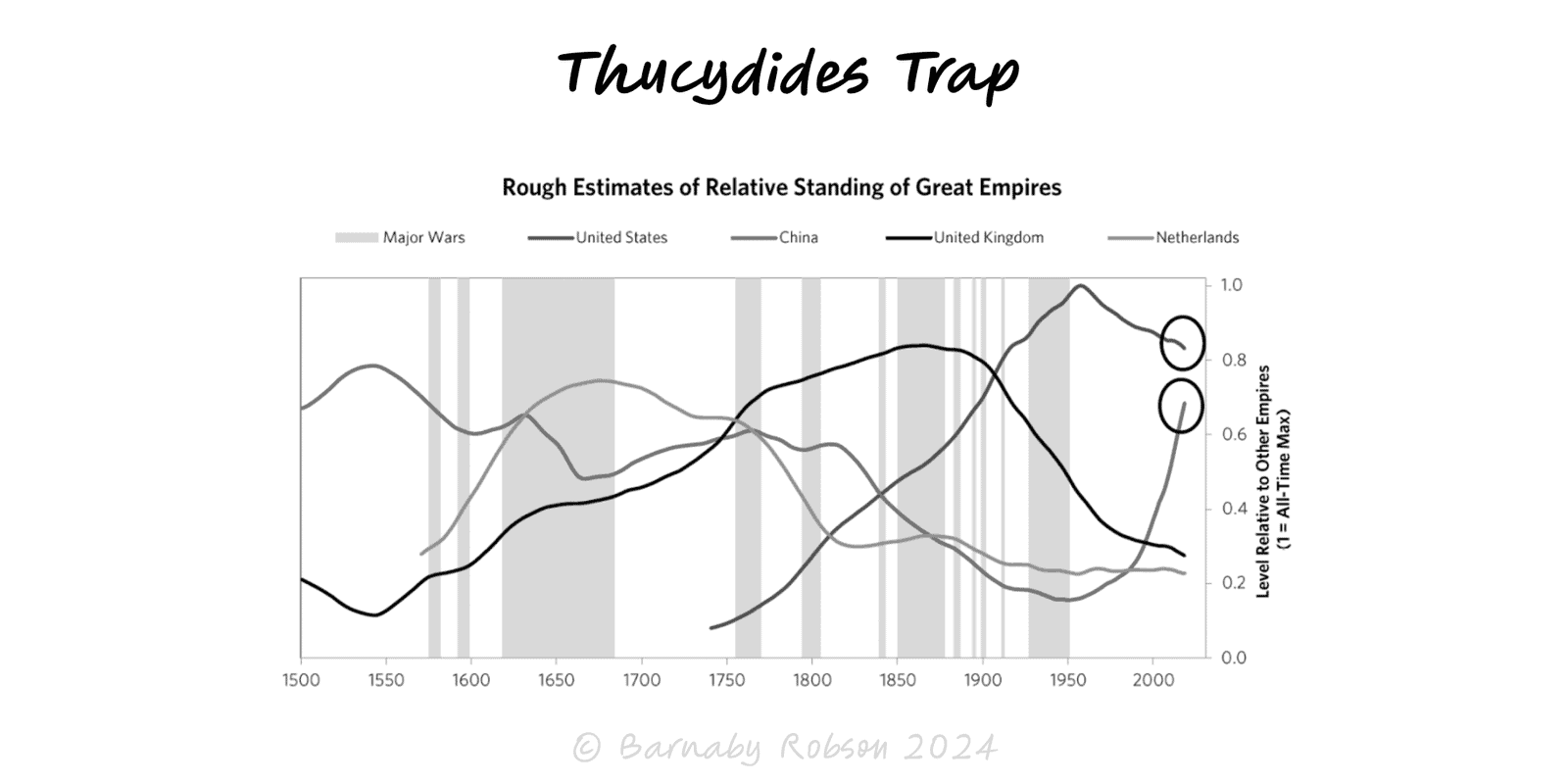
When a rising power threatens to displace a ruling power, fear and miscalculation can tip competition into conflict unless incentives and guardrails are redesigned.
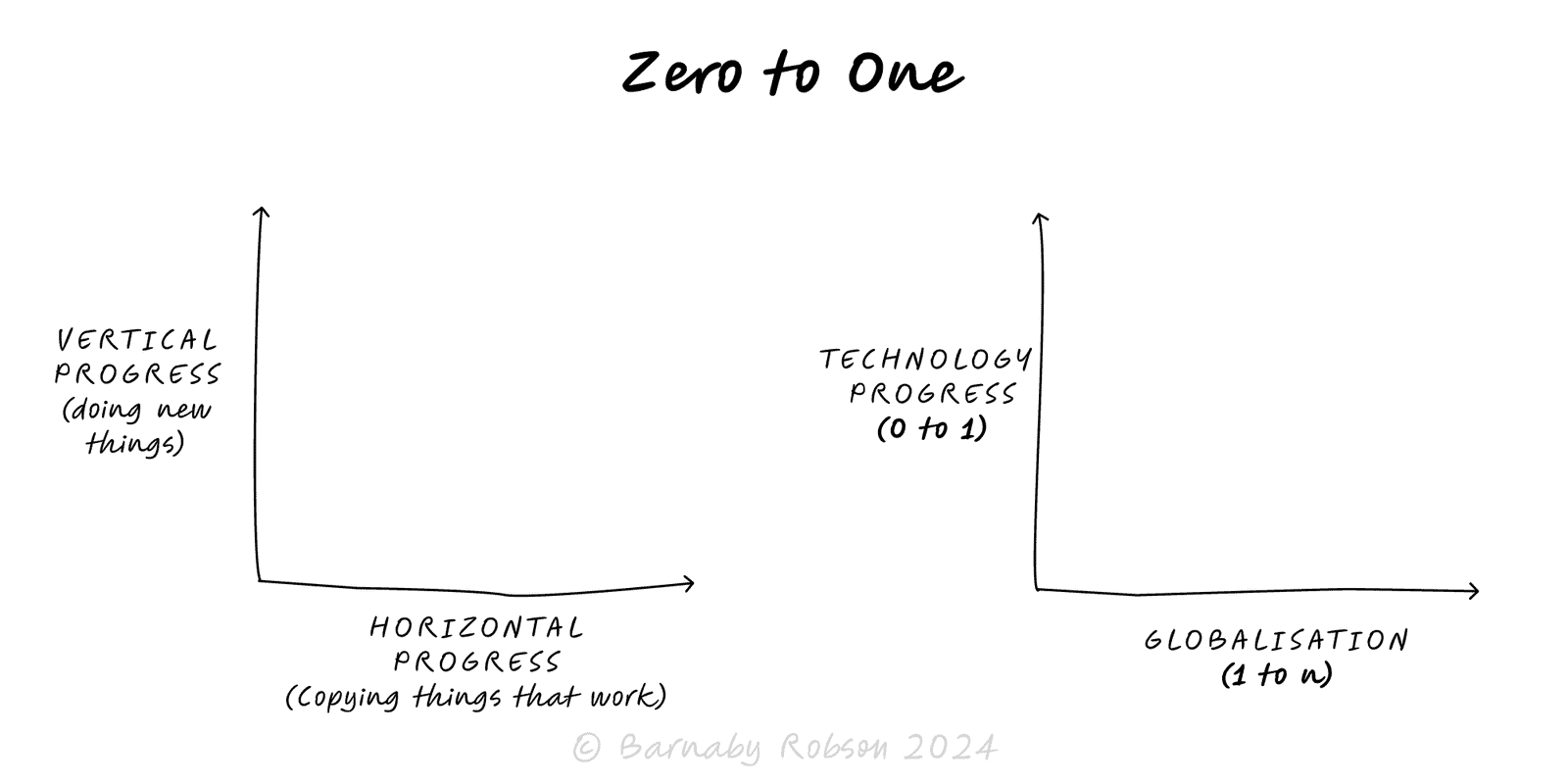
Aim for vertical progress—create something truly new (0 → 1), not just more of the same (1 → n). Win by building a monopoly on a focused niche and compounding from there.