The Habit Loop

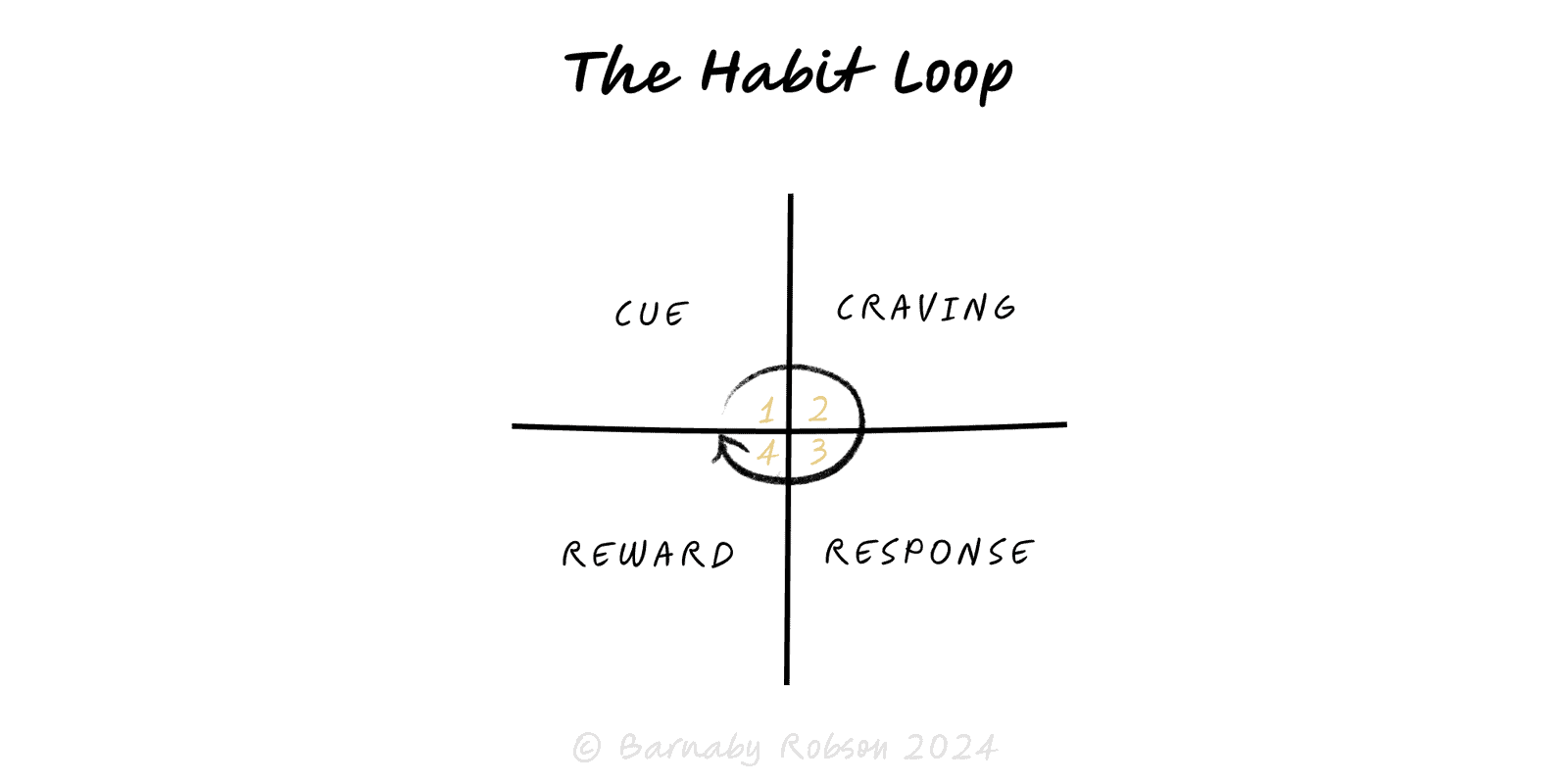
Habits run on a loop: cue → craving → response → reward. Make good loops easy and satisfying; break bad ones by keeping the cue and reward but changing the routine.

Author

Charles Duhigg (popularised “cue → routine → reward”); expanded by BJ Fogg and James Clear (“craving/identity”)


The habit loop explains how automatic behaviours form and persist. A cue triggers a routine (the behaviour) to gain a reward (state change or outcome). Modern variants add craving (the anticipation that drives action) and emphasise identity (“I’m the kind of person who…”). You engineer habits by shaping cues, simplifying the routine, and ensuring a fast, felt reward—while removing or neutralising cues for unwanted loops.

See my separate write-up on the book Atomic Habits here: https://barnabyrobson.org/atomic-habits-1-better-every-day/

How it works


Cue – time, place, preceding action, emotional state, or social/visual signal.

Craving – the expected state change (relief, stimulation, progress).

Routine (response) – the behaviour you perform (automatic if friction is low).

Reward – closes the loop; releases “this worked” signal and strengthens the link.

Repetition → automaticity – consistent pairing of cue and reward cements the routine (context-dependent).

Identity layer – habits stick when they confirm a chosen identity (“I don’t miss workouts”).

Keystone habits – some routines (sleep, exercise, journalling) cascade positive side-effects.

Use-cases


Personal performance (exercise, deep work, nutrition, sleep).

Team rituals (daily stand-up, incident postmortems, code review).

Product & UX (onboarding cues, streaks, progress bars, reminders).

Safety & reliability (checklists, pre-flight routines, handoff protocols).

Pitfalls & Cautions


Vague cues – “sometime tomorrow” never triggers; anchor to a specific time/place/preceding action.

No immediate reward – distant goals don’t teach the brain; add a near-term win signal.

Too much friction – ambitious starts fail; begin with the two-minute version.

Identity mismatch – “should” habits without identity support fade; define the identity first.

Environment denial – willpower loses to ever-present cues; design the environment.

Variable rewards – powerful for engagement but can tip into compulsion; use ethically.

Recent Mental Models

Click below to learn other mental models

  • The Idea Maze

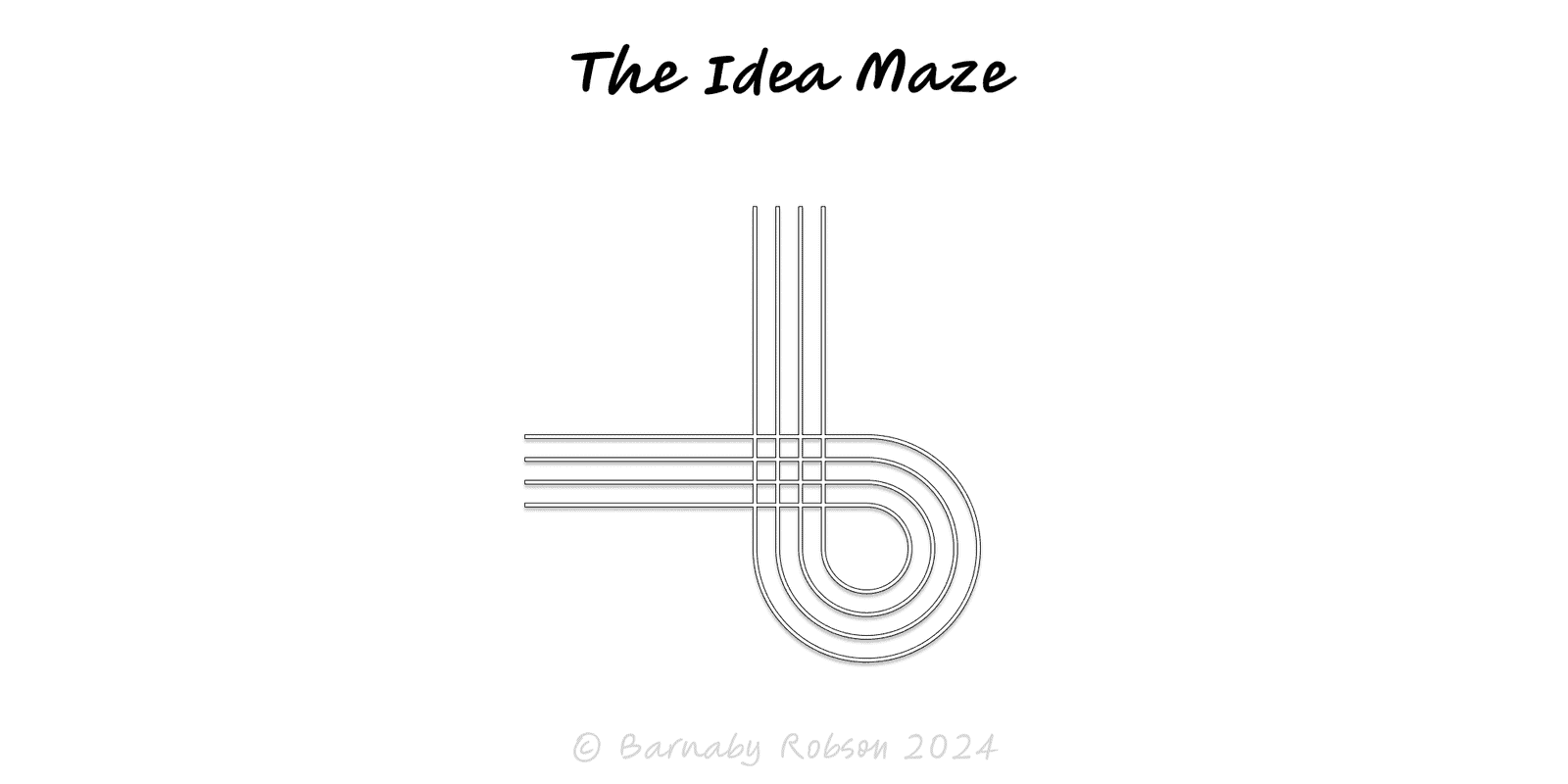
    The Idea Maze

    Before building, map the space: the key forks, dead ends and dependencies—so you can choose a promising path and run smarter tests.

  • Thucydides Trap

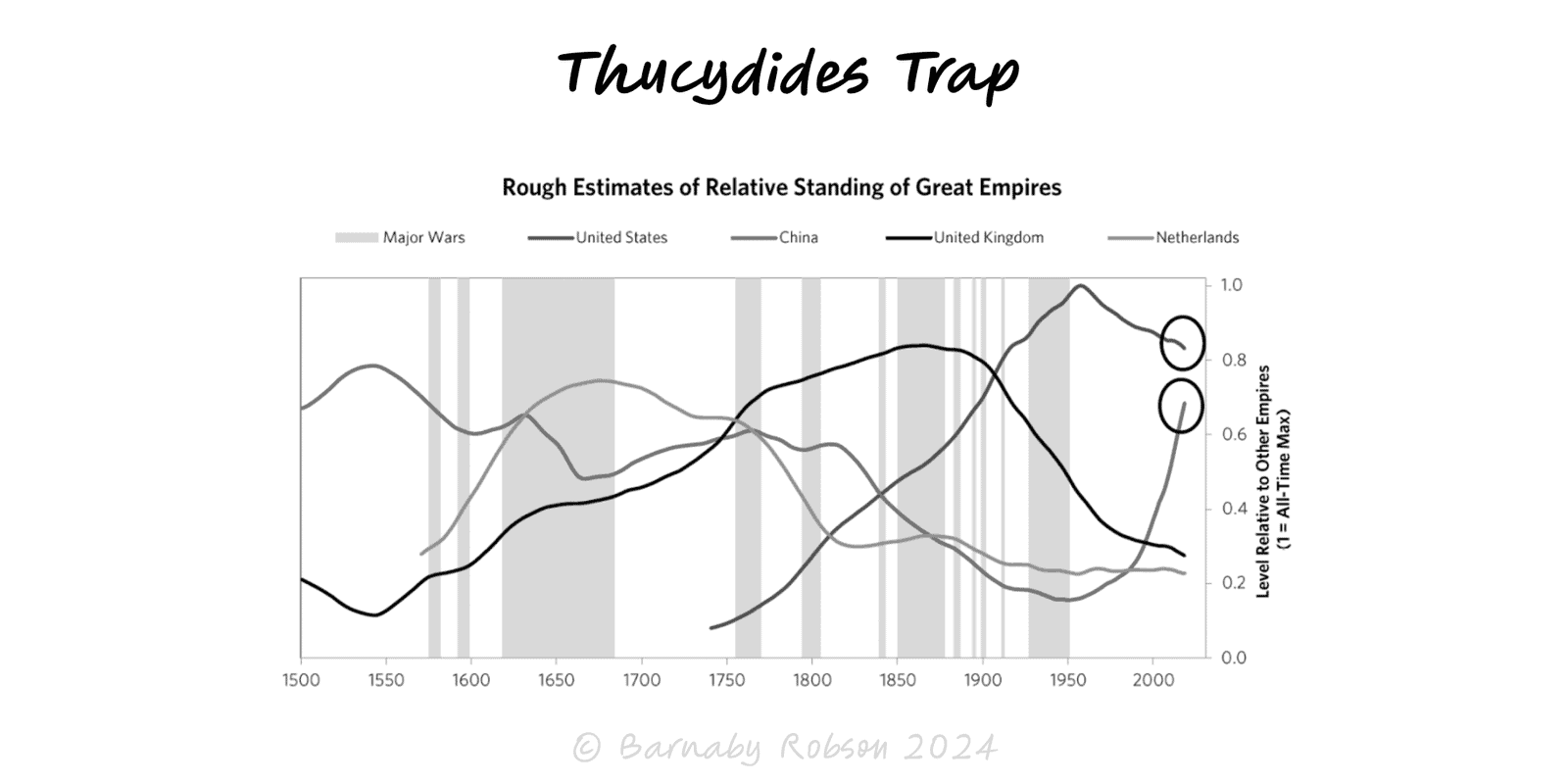
    Thucydides Trap

    When a rising power threatens to displace a ruling power, fear and miscalculation can tip competition into conflict unless incentives and guardrails are redesigned.

  • Zero to One

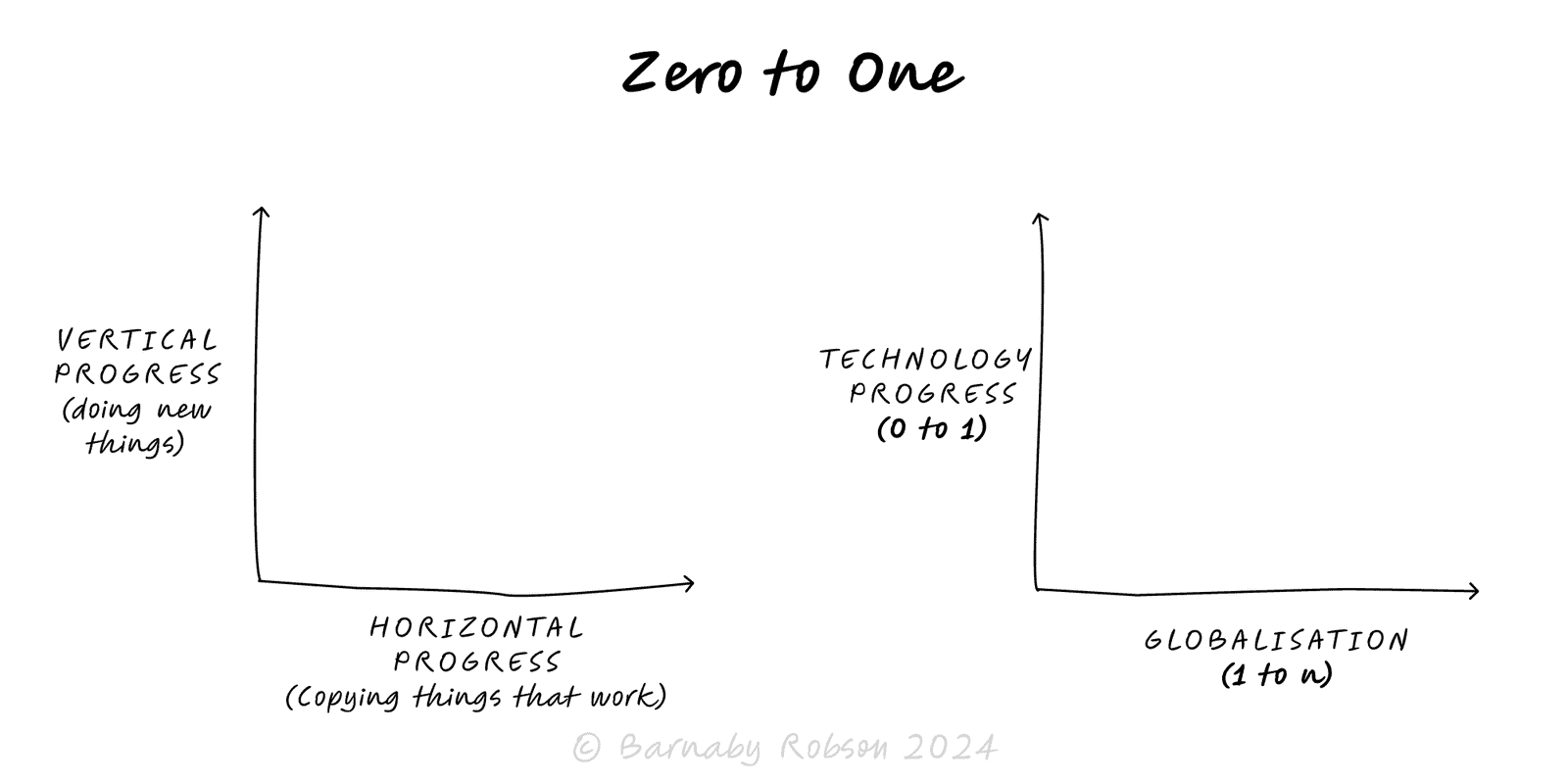
    Zero to One

    Aim for vertical progress—create something truly new (0 → 1), not just more of the same (1 → n). Win by building a monopoly on a focused niche and compounding from there.